
Business News
The Absa Kenya Dossier on Extortion Cartels, Boardroom Purges, and the Million-Dollar Client Hunt

The operational integrity of Absa Bank Kenya is under unprecedented scrutiny as a series of high-profile client mismanagement scandals and governance failures force a total overhaul of the institution’s top-tier leadership.
The Central Bank of Kenya (CBK) is closely monitoring the bank as it navigates through a regulatory maze, prompted by the fallout from New Mega Africa Ltd. and the Shakab Tea Exporters litigation.
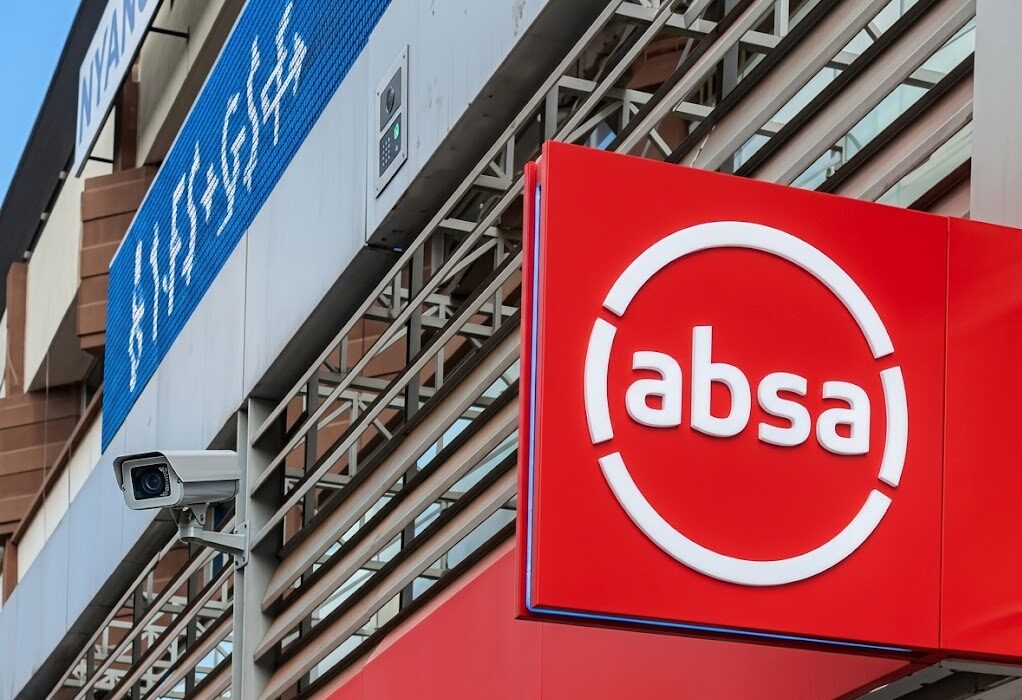
Absa Bank Kenya faces mounting regulatory heat and a total leadership overhaul following allegations of client mismanagement and extortion syndicates. | Kenyan Digest
The Boardroom Purge
The Board signaled a significant shift in the bank’s power structure by directing Elizabeth Wasunna, the former Business Banking Director, to step down. While the official narrative points toward mounting financial exposure and litigation from major clients in Mombasa and Nairobi, Wasunna has reportedly pushed back.
She asserts that CEO Abdi Mohamed has used her as a scapegoat for systemic failures. According to internal reports, Wasunna claims that the Credit and Finance teams operated with an independent mandate, circumventing senior oversight and creating the very inefficiencies that have led to the current legal crisis.
The Whistleblower Allegations
The human cost of this internal corporate war is most evident in the resignation of Sophie Omondi, a former Relationship Manager in Mombasa. Omondi claims she faced intense internal pressure to provide false affidavits in the New Mega Africa case, a client relationship she never managed.
Since her departure, Omondi claims Absa has actively issued negative references to prospective employers, allegedly attempting to link her to the mismanagement of Shakab Tea Exporters to shield the bank’s own liability.
The Mombasa Extortion Syndicate
At the heart of the cartel allegations within the bank are two figures whose names continue to appear in court filings and internal dossiers:
-
Wycliffe Makori: Described as a central witness in the New Mega Africa case, Makori is alleged to be the mastermind behind a customer extortion syndicate operating within Absa’s Mombasa branch. He is accused of accessing sensitive internal client information and selling it to competitors for a fee. Despite these grave allegations, the bank is reportedly hesitant to release him, fearing his exit would jeopardize their legal strategy in ongoing litigation.
-
Serah Muthui: Internal insiders describe Muthui as a controversial figure facing allegations of staff intimidation and the unauthorized leaking of customer bank details. Most alarmingly, she has been linked to a January 10 robbery at Epic Business Park, where a victim was trailed and robbed of KSh 835,000 immediately after withdrawing funds from an Absa and Equity branch.
Predatory Banking Practices
The litigation involving Shakab Tea Exporters has exposed what many describe as predatory banking practices. The company alleges they were lured from a stable relationship at NCBA with promises of lower interest rates, only to face arbitrary facility cancellations and demands for kickbacks from bank staff.
This mismanagement reportedly resulted in massive export losses and heavy penalties from the East Africa Tea Traders Association (EATTA). The court has since intervened, ordering the bank to refrain from compromising client autonomy.
Regulatory Heat and Executive Reform
In response to the mounting crisis, Group Managing Director Kenny Fihla has reportedly ordered immediate corrective actions. The directives include a total review of employee conduct, the strengthening of controls over sensitive client data, and an investigation into all personnel implicated in the New Mega Africa and Shakab Tea matters.
As the Central Bank of Kenya (CBK) continues to demand answers on systemic risk mitigation, the effectiveness of these top-level reforms will determine if Absa Bank Kenya can restore its shattered reputation.
Conclusion
Absa Bank Kenya is undergoing a significant leadership and operational recalibration. Senior exits, escalating litigation, and regulatory scrutiny reflect an institution under pressure to restore trust.
As the New Mega Africa case and related issues develop, how well Absa handles fixes, holds people accountable, and improves its governance will be key to whether it can regain trust from clients, regulators, and stakeholders.
Comments

UDA Politician Arrested Over Sixty Million Shilling Fake Tender Scam at the Office of the President
National Youth Service Officially Launches 2026 Nationwide Recruitment Exercise for Kenyan Youth

Why CS Opiyo Wandayi is Losing the Siaya Power War to Governor Orengo

The Absa Kenya Dossier on Extortion Cartels, Boardroom Purges, and the Million-Dollar Client Hunt

“Enough is Enough”: DP Kindiki Issues Stern Warning to Ruto Critics

The NSSF Audit Dossier on Mismanaged Billions and Stalled Housing Projects
The NSSF Audit Dossier on Mismanaged Billions and Stalled Housing Projects
The Absa Kenya Dossier on Extortion Cartels, Boardroom Purges, and the Million-Dollar Client Hunt
“Enough is Enough”: DP Kindiki Issues Stern Warning to Ruto Critics
Why CS Opiyo Wandayi is Losing the Siaya Power War to Governor Orengo
UDA Politician Arrested Over Sixty Million Shilling Fake Tender Scam at the Office of the President
National Youth Service Officially Launches 2026 Nationwide Recruitment Exercise for Kenyan Youth

Xiaomi Unveils REDMI Note 15 Series: REDMI Titan Durability Meets Advanced Imaging

SportyBet’s 1UP Early Win Is a Game-Changer for Kenyan Punters in 2026

Evidence-Based Study Strategies for Academic Success in Higher Education

Securing Scholarships for International Study: A Comprehensive Guide for Students
-
General News4 days ago
UDA Politician Arrested Over Sixty Million Shilling Fake Tender Scam at the Office of the President
-
Jobs4 days ago
National Youth Service Officially Launches 2026 Nationwide Recruitment Exercise for Kenyan Youth
-
 Politics2 days ago
Why CS Opiyo Wandayi is Losing the Siaya Power War to Governor Orengo
-
 Politics1 day ago
“Enough is Enough”: DP Kindiki Issues Stern Warning to Ruto Critics
-
 General News12 minutes ago
The NSSF Audit Dossier on Mismanaged Billions and Stalled Housing Projects