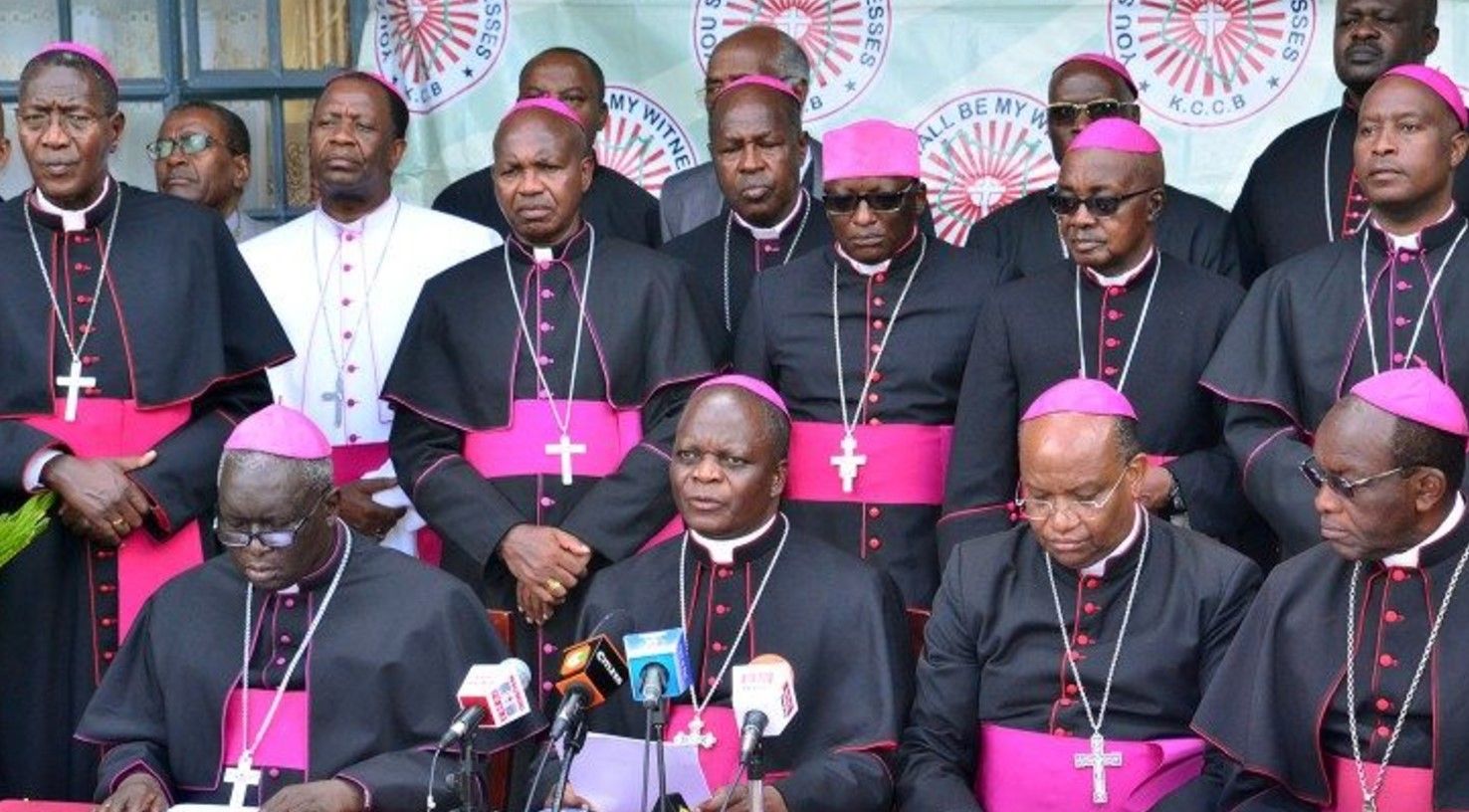
The Kenya Conference of Catholic Bishops (KCCB) issued a nationwide directive on Thursday, November 12, prohibiting any political addresses in Catholic churches as the country prepares for the 2027 General Election.
In a statement, the bishops instructed all Catholic priests to enforce the ban, saying places of worship must remain sacred spaces for prayer, peace and unity rather than venues for campaign rallies.
The bishops urged politicians to use alternative platforms such as the media, public barazas and roadside rallies, noting that worshippers of all political persuasions should be able to gather without discrimination or interference.
They called on political aspirants and their supporters to exercise restraint in public statements, warning that personal attacks, offensive remarks and divisive language could threaten the peace Kenyans currently enjoy.
The clergy also appealed to young people to obtain national identity cards, register as voters and resist any inducements that might draw them into electoral violence, encouraging them to use social-media skills to promote peace instead.
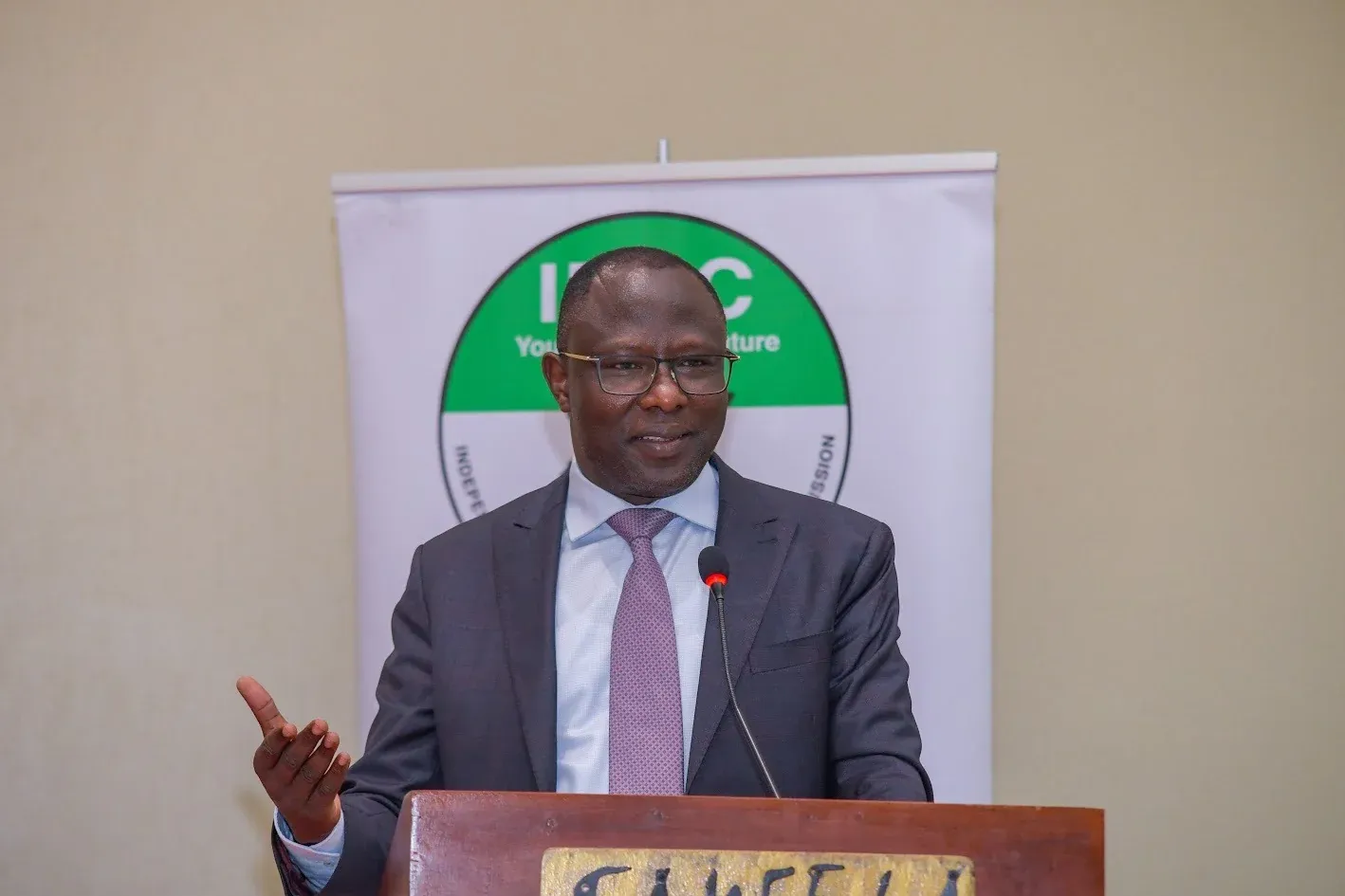
Regarding the Independent Electoral and Boundaries Commission (IEBC), the bishops said the agency must deliver free, fair, transparent and credible elections, and urged it to strengthen voter registration, election logistics, training of officials, verification of results and timely resolution of electoral complaints.
They further called on the Judiciary to handle electoral disputes with diligence and impartiality, expressing concern over reported violations of freedom of expression and association.
The bishops warned Parliament against introducing legislation that would ban the livestreaming of presidential vote tallies, stating that such bills could raise unnecessary tensions and undermine public confidence in the electoral process.
They urged Speakers of both Houses, Senate Speaker Amason Kingi and National Assembly Speaker Moses Wetangula, to reject divisive proposals and to fast-track reforms that strengthen the Electoral Act while safeguarding transparency.
The statement also raised concerns about six Education Bills pending before the National Assembly, saying some provisions appeared to depart from the consultative process and could weaken long-standing institutions.
Related reporting
More Politics →
Governor Waiguru Leads Mt Kenya Rally Behind President Ruto’s Re-Election Bid

Linda Mwananchi Movement Member Seeks Tribunal Order to Halt November 13 Delegates Conference

Political Parties Tribunal Halts ODM Attempt to Remove Nairobi Majority Whip Moses Ogeto