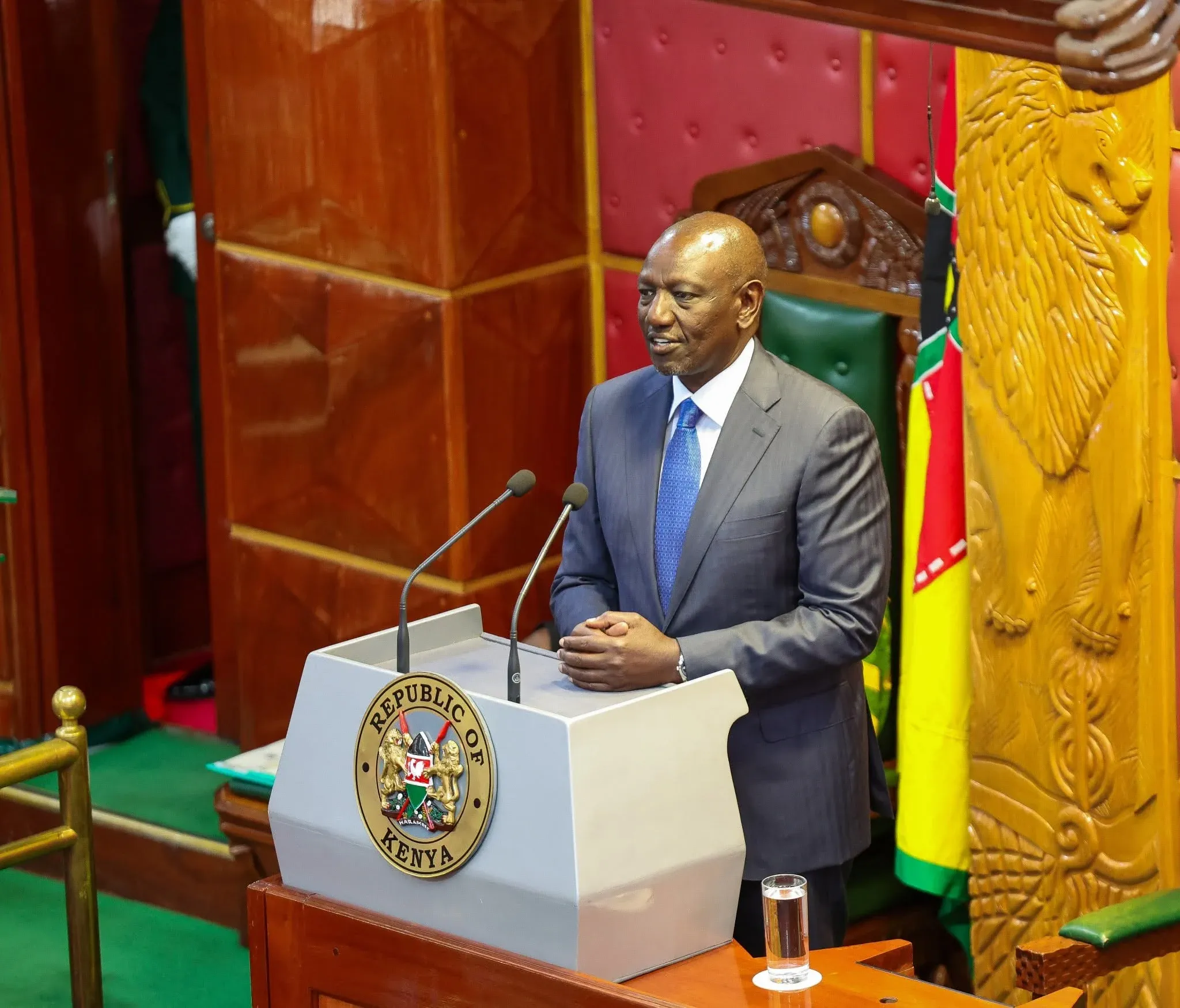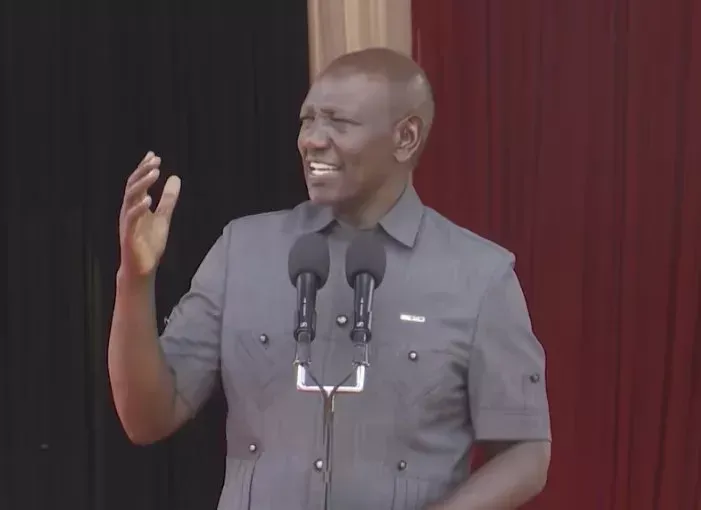
Kenya’s High Court dismissed a constitutional petition seeking to declare President William Ruto’s September 2, 2026 pronouncement on foreign nationals operating small businesses unlawful.
Justice David Mburu ruled that petitioner Benedict Wandeto had not shown that the government had actually enforced any restriction from the pending Local Content Bill 2025, observing that a bill before Parliament “has no force of law and cannot, without an independent existing legal basis, be enforced through executive or administrative actions.”
The judge added that Wandeto “has not identified a prohibition of the pending Local Content Bill 2025 that was actually enforced against an identifiable person or business pursuant to the impugned pronouncement.”
Representing the respondents, the Attorney General argued that the president’s remarks were merely an expression of policy intent and that any enforcement would be grounded in existing immigration, licensing and business registration laws.
The court also rejected claims that the pronouncement violated constitutional protections under articles 27, 39, 40 and 47, finding no evidence of adverse administrative action taken against any specific foreign individual or business.
Allegations that the announcement breached Kenya’s obligations under the East African Community Treaty, the Common Market Protocol and the African Charter on Human and Peoples’ Rights were dismissed for lack of concrete evidence.
The president’s comments had sparked anxiety among foreign small-business owners, with hundreds of Burundian nationals gathering at the Kenyan embassy in Nairobi fearing harassment and possible closure of their enterprises.
On September 8, State House announced a 90-day regularisation window for foreign nationals to update immigration status, work permits and business licences, and warned the public against intimidation of foreign traders.
Justice Mburu concluded that while the petition raised important constitutional questions, the evidence did not meet the threshold required to grant the orders sought, including a declaration that the presidential directive was unconstitutional and void.
Related reporting
More Politics →
Rigathi Gachagua Named Most Responsible for Opposition Divisions in TIFA Poll
Catholic Bishops Ban Political Speeches in Churches Ahead of 2027 Election
President William Ruto Ties With Edwin Sifuna at 31% in Presidential Poll