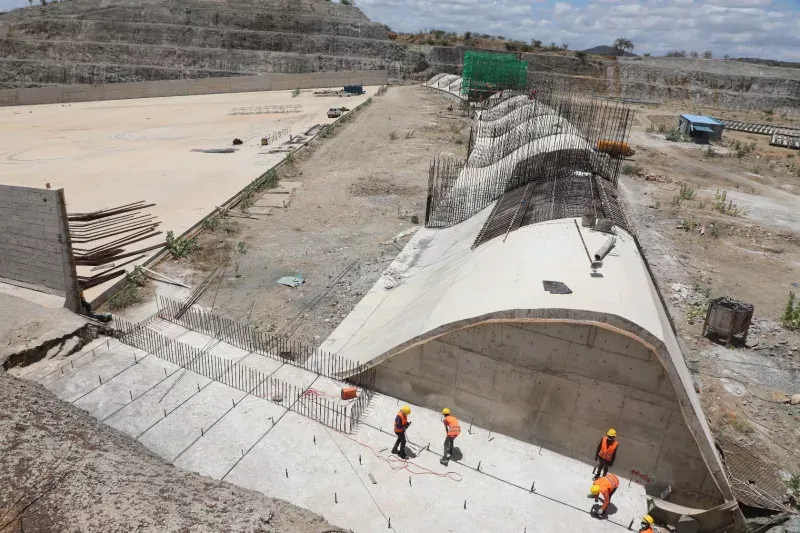
Water and Sanitation Principal Secretary Julius Korir told the National Assembly Departmental Committee on Blue Economy, Water and Irrigation that construction of the Thwake Multipurpose Dam has reached 94.2 percent and that water impoundment is targeted for April 2027, marking a milestone for the Kenya Vision 2030 flagship in the Lower Eastern region.
The dam is situated at the confluence of the Athi and Thwake rivers on the Makueni-Kitui border, stands about 80.5 metres high and is designed to store 688 million cubic metres of water for supply, irrigation, power generation and downstream flow regulation.
When fully operational, the water-supply component is expected to deliver roughly 150,000 cubic metres of treated water daily to an estimated 1.3 million people in Makueni, Kitui and Konza Technopolis in Machakos, while the irrigation scheme will cover about 40,000 hectares and a 20-megawatt hydropower plant will add renewable electricity to the grid.
Some households in Makueni and Kitui have alleged that construction-related blasting caused cracks in walls, windows and foundations and complained of dust, noise and ground vibrations; in August 2026 the Thwake Dam Blasting-Affected Community Committee sought an independent review by the African Development Bank.
The project’s safety department invited competitive bids for an independent assessment and selected Agile Consulting, which examined 330 households within a two-kilometre radius and reported that a large proportion of those surveyed were satisfied with the assessment; Ben Mwongela, a director at the consultancy, said “The assessment involved reviewing blasting records, vibration data and compliance with regulatory standards.”
An African Development Bank field report dated October 21, 2026 noted that the dam was 94 percent complete, praised the professionalism and integrity of the experts and urged the few dissatisfied households to follow due process.
Korir reaffirmed the government’s commitment, saying “In terms of government commitment to completing this dam, it is very evident. When we ran short of cash, we engaged with our development partners, and they allocated additional funding, and this money will now go towards total completion of the project.”
Local residents have largely defended the project; Martin Kimeu of Wote said “Ukambani is fertile. Water has been the biggest impediment to the realization of our agricultural potential. Thwake Dam water is the clear solution to this,” while Jacob Mwanzia of Madangi Village criticised a group he called the Thwake Dam Blasting-Affected Community Committee for spreading misinformation, stating “I was shocked to see a group calling itself the Thwake Dam Blasting-Affected Community Committee peddling what I consider misinformation to the media.” and adding “Those are self-serving individuals blinded by cheap politics. My home is closer to the project. Most people in my area were well compensated and are satisfied,”. Mariam Mwikali also expressed “I was horrified to see a few people peddling allegations against the project on television,”.
Despite isolated grievances, the Thwake Dam project is positioned to transform agriculture, water access and energy supply across the Lower Eastern region and to contribute to Kenya’s Vision 2030 objectives.
Related reporting
More General News →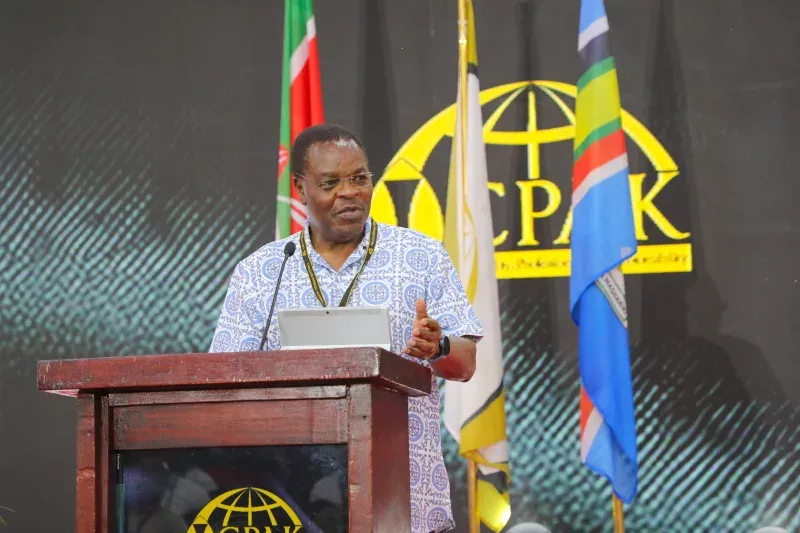
EACC Chairperson Urges Accountants to Prioritise Integrity and Reject Corruption
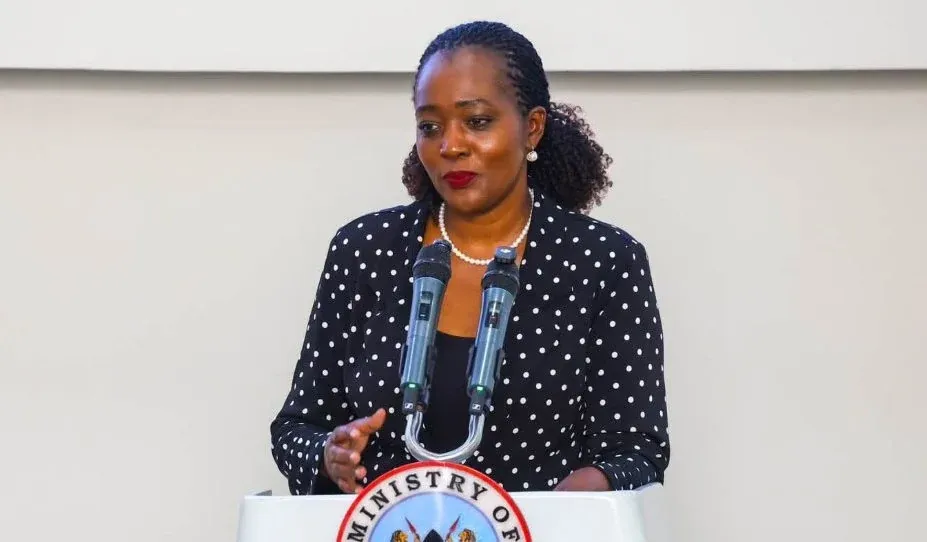
Defence Cabinet Secretary Soipan Tuya Commissions 11 New Schools in Laikipia North
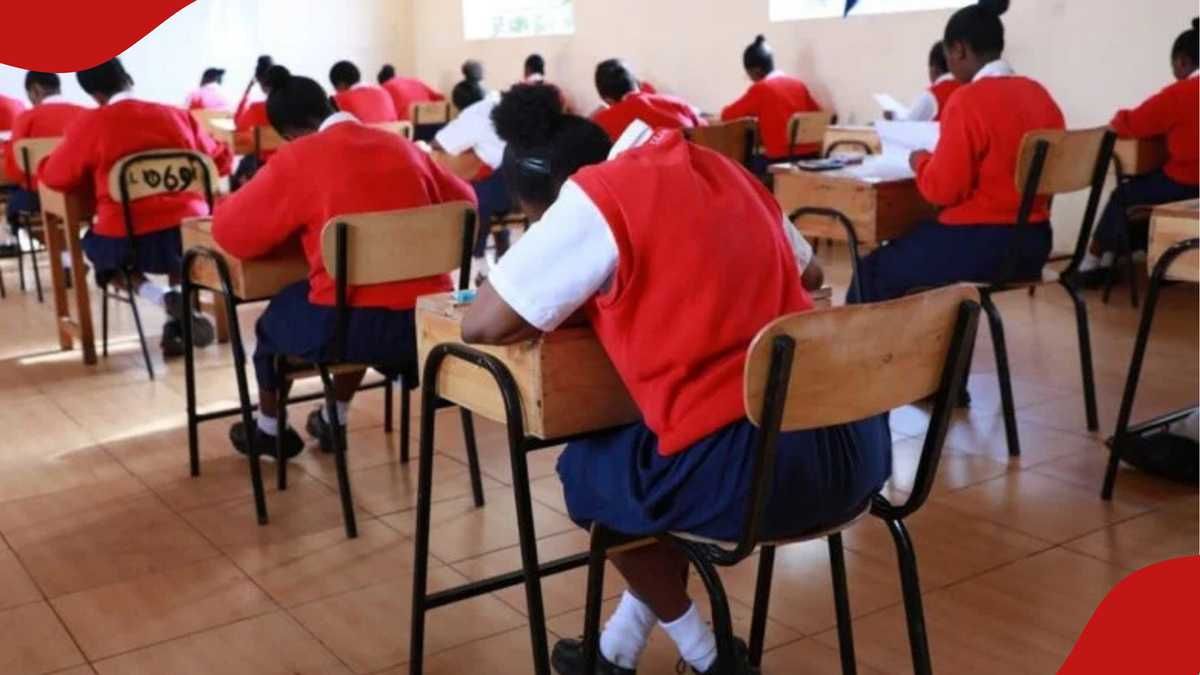
Education Officials Bar 12 Machakos Students From Remaining KCSE Exams Over Phones