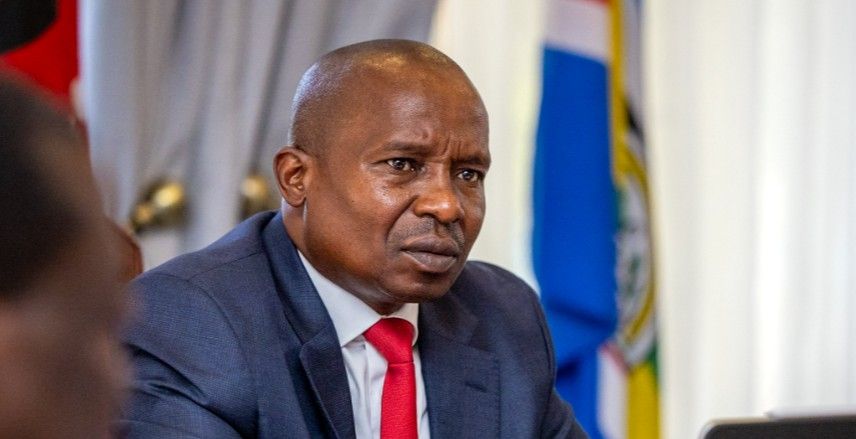
On Tuesday, members of the National Assembly Departmental Committee on Administration and Internal Security questioned Deputy President Kithure Kindiki’s office about pending bills totalling roughly KSh553 million for the 2025/2026 financial year as the office presented proposals for the 2027 Budget Policy Statement.
Loima MP Protus Akuja highlighted a discrepancy between the office’s reported figure of KSh552.6 million and the Public Administration and International Relations Sector Report’s figure of KSh569.8 million, demanding a reconciled and verified schedule.
Committee chairman Narok West MP Gabriel Tongoyo asked why the office continued to accumulate unpaid bills despite treating them as the first charge when funds are released, noting carryovers of about KSh440 million for 2025/2026 and questioning additional pending bills reported for 2026/2027, suggesting commitments were made without approved budget allocations.
The office’s Chief Finance Officer replied that pending bills are prioritised whenever funds become available and that the department regularly requests additional allocations from the Treasury to reduce the outstanding amounts; officials added that the balance had fallen to approximately KSh150 million, with a large share attributed to hospitality expenses.
Principal Administrative Secretary Moses Mbaruku said the office would prioritise constitutional responsibilities, including engagements through the Intergovernmental Budget and Economic Council, work with development partners and duties assigned to the Deputy President by the President, placing constitutional matters first.
Officials disclosed that 44 percent of the office’s budget had been used in the first quarter and part of the second quarter; Saku MP Ali Dido Rasso expressed concern that spending usually rises in later quarters and asked how the office would avoid exhausting its funds or resorting to Article 223 of the Constitution for additional spending authority.
Mbaruku explained that the 44 percent utilisation covered recurrent spending, pending bills, normal operations, coordination of high-level government engagements and the Deputy President’s supervisory activities across the country, and noted that the office had requested KSh7 billion but expected an allocation of about KSh4 billion, covering just over half of its financial requirements.
The committee also sought details on funds disbursed to agencies after meetings convened by the Deputy President to prepare for anticipated El Niño rains; Rasso asked what would happen to the money if the rains did not materialise and whether unused funds would be returned. Mbaruku said the office only coordinated the meetings, that the money was released directly to the relevant state departments and organisations, and that the Treasury would determine how any unspent amounts would be handled, though he could not provide the total amount disbursed.
Related reporting
More Politics →
Defence Committee Flags Funding Shortfall for Kenya’s Diplomatic Missions

Rigathi Gachagua Assigns Senator John Methu to Lead Nationwide DCP Office Openings
IEBC Chair Erastus Ethekon Says Commission Has Nothing to Hide Over Vote Tallying