Kenya’s political landscape is once again showing signs of major realignment following the announcement by Irungu Kang'ata that he is exiting the United Democratic Alliance (UDA) party.
The move has sparked intense political debate across the country, by iewing it as more than just a party departure but rather a signal of deeper cracks emerging within Kenya Kwanza’s political structure ahead of future elections.
Kang’ata’s decision comes at a politically sensitive moment for the ruling coalition as internal disagreements, regional power struggles, and shifting alliances continue to shape the country’s political direction.
As one of the most influential leaders in the Mount Kenya region, his departure could carry significant implications not only for Murang’a politics but also for the broader national political landscape.
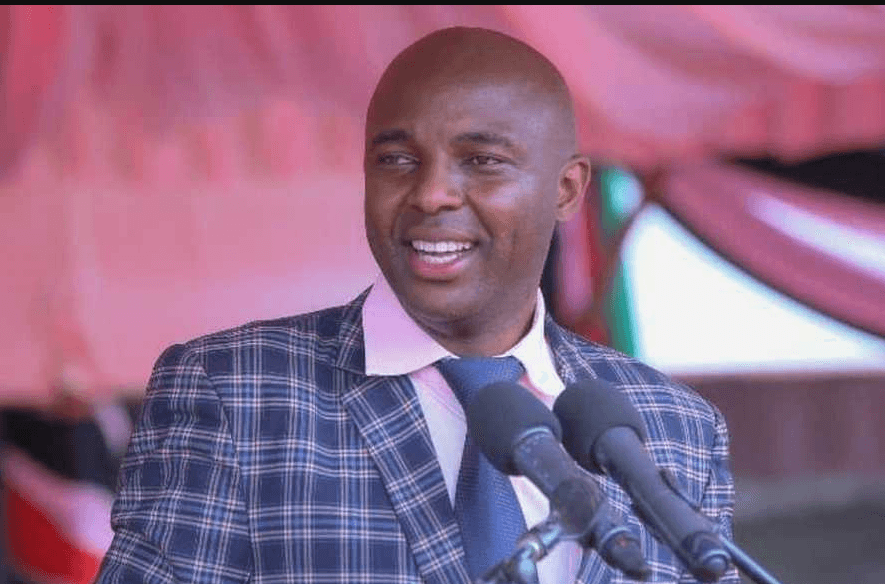
A Major Political Shock in Mount Kenya
Irungu Kang’ata has been widely viewed as one of the prominent political figures allied to President William Ruto and the UDA administration.
Since becoming Murang’a Governor, Kang’ata has maintained a strong presence in regional politics and has often positioned himself as a key voice within the Kenya Kwanza coalition.
His exit from UDA therefore comes as a surprise to many political observers, particularly because the Mount Kenya region remains one of President Ruto’s most important political strongholds.
Any signs of fragmentation within the region could significantly affect political calculations heading toward the next election cycle.
Although Kang’ata has framed his decision around political independence and the need to better represent local interests, the move may also reflect growing dissatisfaction among some leaders within the ruling coalition.
Growing Tensions Within UDA
Over the past several months, reports of internal tensions within UDA have increasingly surfaced.
Differences over resource allocation, political appointments, development priorities, and succession politics have created unease among sections of the party leadership.
Some leaders from the Mount Kenya region have privately expressed concerns about feeling sidelined despite the region’s overwhelming support for President Ruto during the 2022 General Election.
Others have questioned the centralization of political power within the party and growing competition among regional leaders seeking influence ahead of 2027.
Kang’ata’s departure may therefore reflect broader frustrations that have been quietly building within the ruling coalition.
His exit could embolden other leaders considering distancing themselves from UDA, especially if they believe alternative political formations may offer stronger bargaining power in future alliances.
Opposition and Alternative Political Formations Watching Closely
Opposition leaders and emerging political movements are likely to view Kang’ata’s move as an opportunity to expand influence in the Mount Kenya region.
Several political formations have already begun positioning themselves as alternatives to the ruling coalition, especially amid rising public concerns over the economy, taxation, cost of living, and governance issues.
Should more leaders defect or publicly criticize UDA, Kenya may witness intensified coalition-building efforts well before the next election period officially begins.
Some analysts also believe the country may gradually return to a period of fluid political alliances where loyalty to parties becomes secondary to strategic regional and national interests
What Kang’ata’s Exit Says About Kenyan Politics
Kang’ata’s departure also highlights a recurring feature of Kenyan politics the highly dynamic nature of political alliances.
Unlike mature ideological party systems seen in some democracies, Kenyan politics has historically revolved around personalities, ethnic alliances, regional interests, and shifting power centers. Political parties frequently experience defections, mergers, and realignments depending on changing political calculations.
As a result, party loyalty often becomes less important than strategic positioning ahead of elections or government negotiations.
Kang’ata’s move therefore reflects broader patterns that continue to define Kenya’s political culture.
The Road to 2027 is Already Taking Shape
Although the next General Election may still seem distant, political maneuvering has already begun across the country.
Leaders are actively repositioning themselves, building alliances, consolidating regional influence, and testing political ground ahead of future contests.
Kang’ata’s exit from UDA may ultimately prove to be either an isolated political decision or the beginning of a much larger political reconfiguration within the ruling coalition.
Either way, the development has once again demonstrated how quickly Kenya’s political landscape can shift.
As the country moves closer toward another election cycle, the battle for political influence in Mount Kenya will likely intensify and every alliance, defection, and political statement will carry significant national implications.
Related reporting
More Politics →
Babu Owino Rejects Claims Gachagua Urged Him to Quit Nairobi Governor Race
High Commissioner Peter Munyiri Joins DCP, Announces Nyeri Gubernatorial Bid

Festus Ruto Challenges Equitable Party Name Change Over Procedure