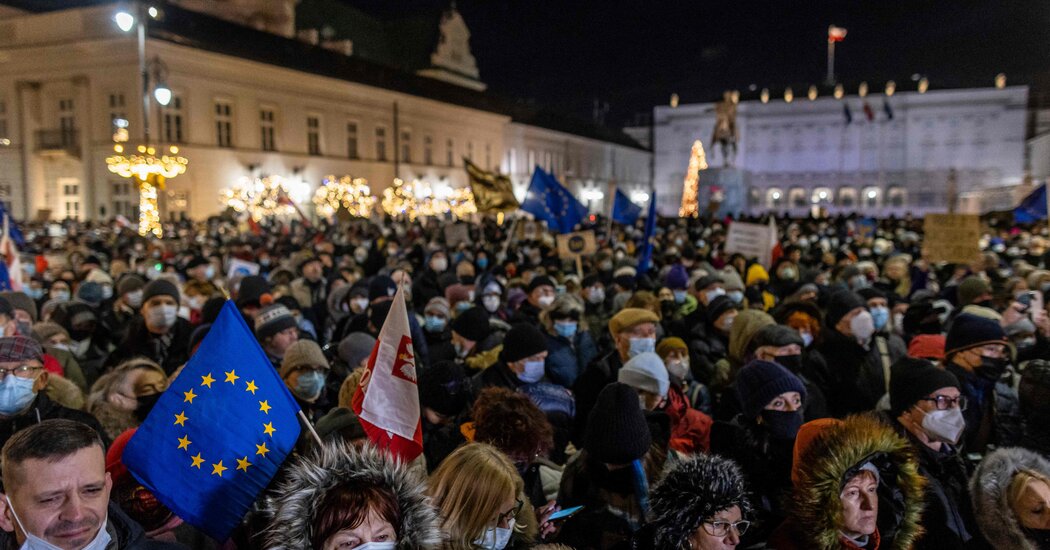
Capitalizing on voters’ frustrations, Jaroslaw Kaczynski, the leader of the Law and Justice Party, skillfully articulated the second path for securing sovereignty. Poland should follow the example of the interwar state, known as the Second Republic, which restored Poland’s sovereignty after World War I. It was clearly an appealing proposition and the party won a majority in the 2015 election. But a central aspect of the Second Republic was overlooked: It was, after a coup in 1926, an authoritarian state. Democracy and the rule of law came second to a muscular projection of sovereignty.
In its six years in power, the ruling party has shown itself to be true heirs to that tradition. It has claimed control over key institutions — education, public media, the judiciary — and chafed against Brussels. In the past year, the confrontation has escalated: In response to the European Union’s censuring Poland for its plans to weaken the independence of the judiciary, the government has stiffened its talk of sovereignty. (It still continues to lay claim to the benefits of membership, such as pandemic recovery funds.)
During the recent crisis at Poland’s border with Belarus, where thousands of migrants pressed for entry, the government showed what going it alone might look like. It turned down the bloc’s offer of help and refused to admit those who reached its territory. For the moment, the adversarial approach is working: A majority of people back the government’s response, and the crisis seems to have shored up support for the government.
But it comes at a cost. The country’s growing isolation — which the government believes is a sign of Poland’s independence — is in fact opening it up to the influence of Russia, something officials are loath to admit. The situation in Ukraine hints at where that may lead. To stave off invasion, President Vladimir Putin of Russia has demanded, among other things, that NATO limit the deployment of troops in post-Communist countries, including Poland. The prospect of falling once again under Russian tutelage is grimly possible.
Yet for now, the government seems to be tapping into a sentiment shared across the West. Sovereignty, as an organizing principle for political action, is back. In Britain and America, of course, clamors to restore faded national glory led to Brexit and the presidency of Donald Trump. In Europe, Mr. Kaczynski in Poland and Prime Minister Viktor Orban of Hungary are inspirational figures for the hard right, serving as examples to Éric Zemmour and Marine Le Pen in France and Matteo Salvini and Giorgia Meloni in Italy.
For all their specific differences, these politicians share a project: to fortify national resentments, at the expense of continental cohesion. If successful, they could conceivably end the Western model of liberal democracy as we know it. And unless it can settle its nervous sovereignty into democratic collaboration, Poland may have shown the way.
Related reporting
More World News →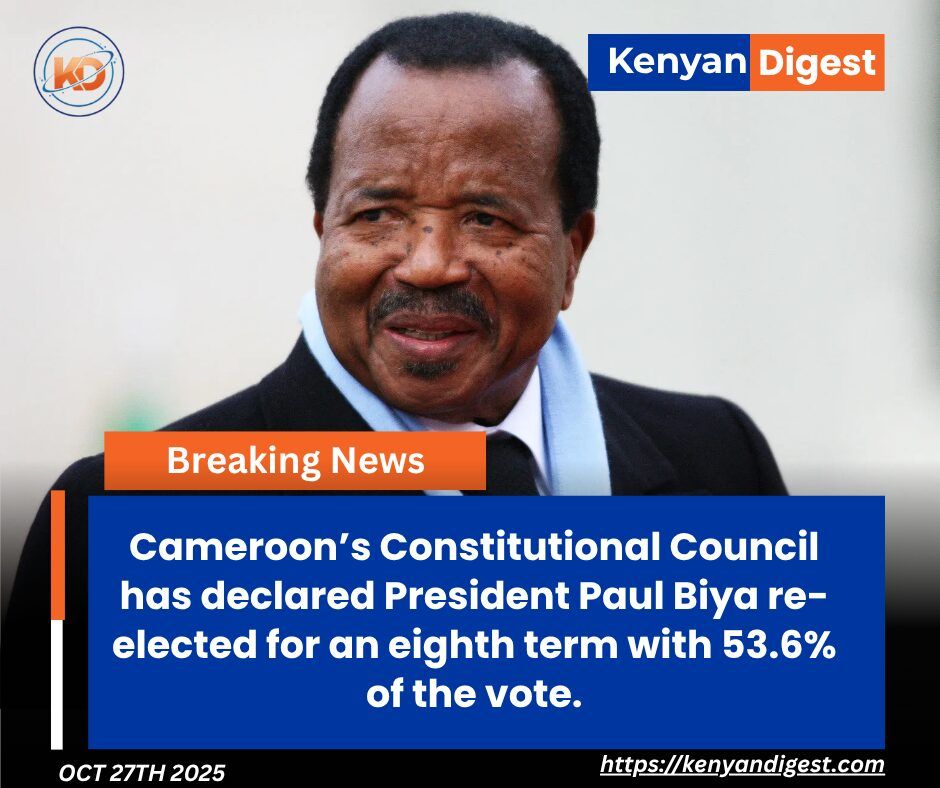
Paul Biya’s Re-Election: What Cameroon’s Political Longevity Reveals About Leadership and Governance in Africa
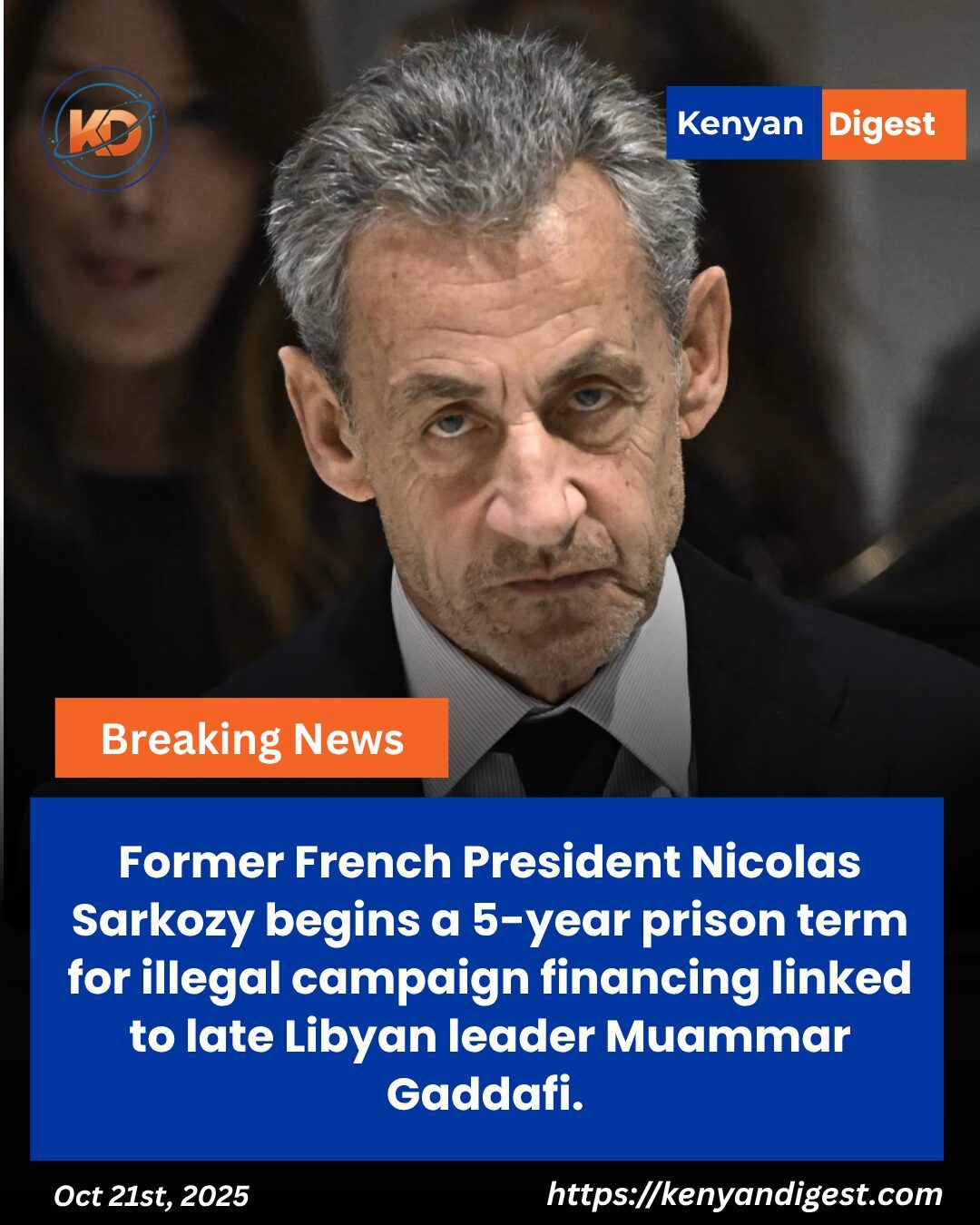
From Power to Prison: The Fall of France’s Former President Nicolas Sarkozy
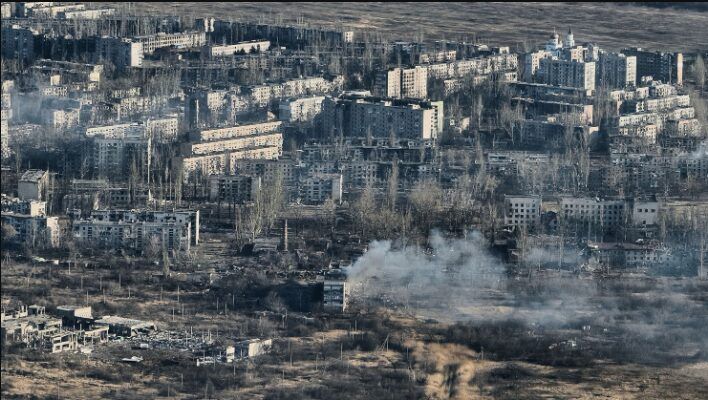
The War in Ukraine: A Comprehensive Analysis of the Conflict
