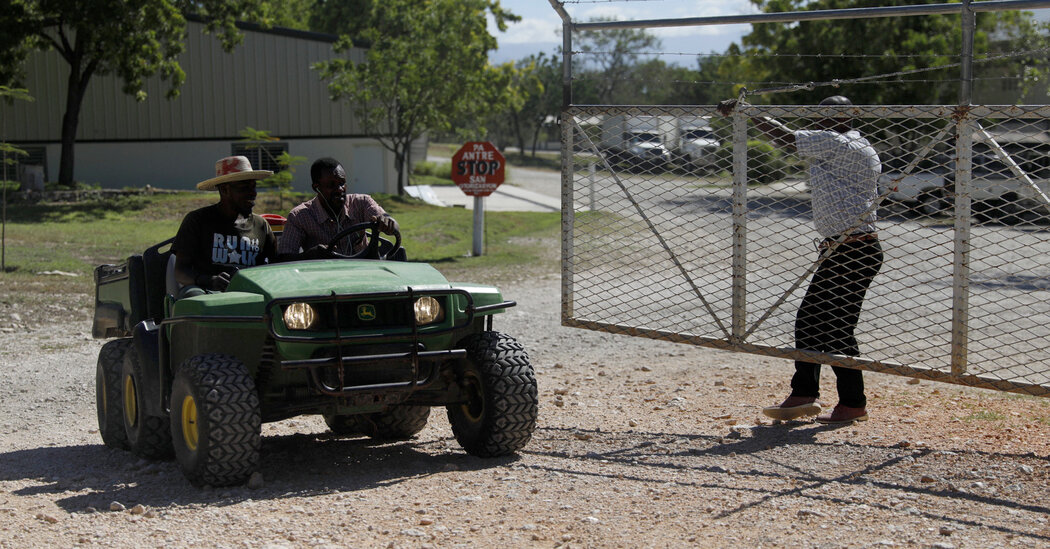
“There are so many Haitians terrorized by kidnappings and extreme levels of violence,” Representative Andy Levin, Democrat of Michigan, a co-chairman of the Haiti Caucus in the House, said in a statement on Thursday. He added that the United States and its partners must work to restore democracy “that can bring peace and security to the Haitian people.”
Haiti’s caretaker government had asked for U.S. military assistance to safeguard critical infrastructure after Mr. Moïse’s murder, but the request was swiftly rejected in Washington. The United States has a long and troubled history of armed intervention in Haiti.
Three Recent Crises Gripping Haiti
Card 1 of 3
The aftermath of a deadly earthquake. On Aug. 14, a 7.2 magnitude earthquake struck Haiti, killing more than 2,100 people and leaving thousands injured. A severe storm — Grace, then a tropical depression — drenched the nation with heavy rain days later, delaying the recovery. Many survivors said they expected no help from officials.
The assassination of President Jovenel Moïse. A group of assailants stormed Mr. Moïse’s residence on July 7, killing him and wounding his wife in what officials called a well-planned operation. The plot left a political void that has deepened the nation’s turmoil as the investigation continues. Elections that were planned for this year are likely to be delayed until 2022.
Haitian politicians have for years financed gangs to use as paramilitary units that can terrorize opponents and stoke political unrest, according to the U.S. Treasury Department and diplomats in the country. When the remnants of central authority broke down following Mr. Moïse’s assassination, gangs filled the void, assuming ever greater political prominence.
One gang leader, Jimmy Cherizier, known as Barbeque, marched with his retinue dressed in a white suit to the downtown of Port-au-Prince in July to hold a memorial service for Mr. Moïse, without meeting any resistance from the police.
To finance themselves, gangs have increasingly resorted to kidnapping, targeting even students going to school and pastors delivering sermons.
The 400 Mawozo gang is well-known for orchestrating mass kidnappings. Its members had initially demanded a ransom of $1 million per person for the Christian Aid Ministries captives, but the sum was widely viewed as a starting point for negotiations.
“If I don’t get what I need, these Americans, I’d rather kill them all,” Mawozo’s leader, Wilson Joseph, said in a video released on social media in late October, after police killed five of his gang’s members. “I’ll unload a big gun in the head of each one of them.”
Harold Isaac reported from Port-au-Prince, and Anatoly Kurmanaev from Mexico City. Ruth Graham contributed reporting from Dallas.
Related reporting
More World News →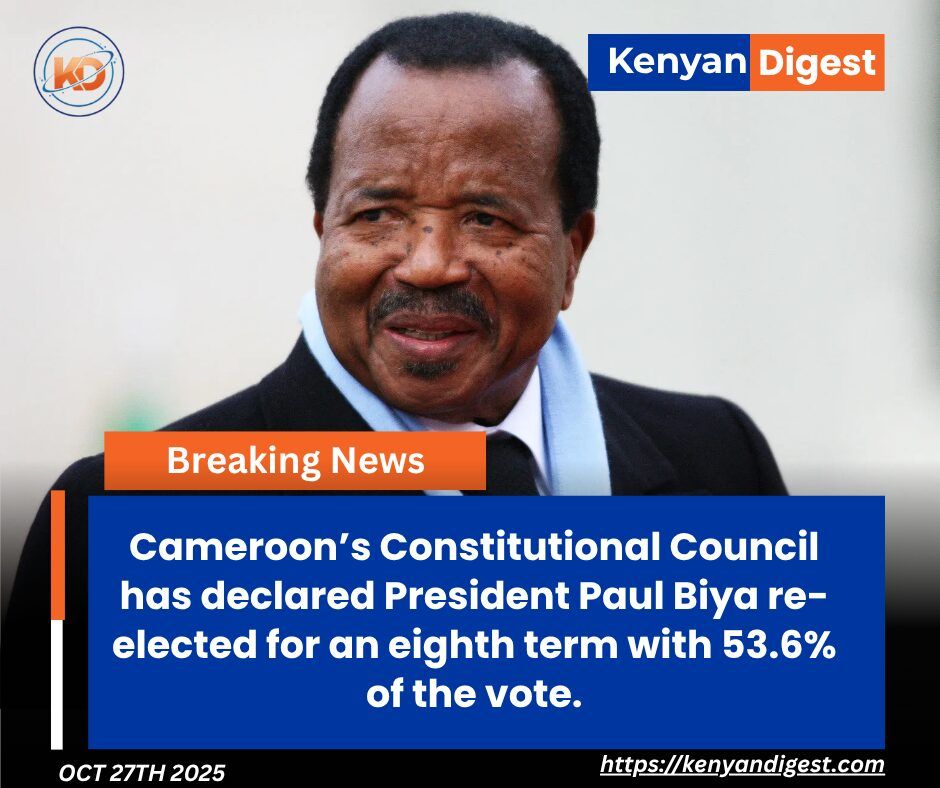
Paul Biya’s Re-Election: What Cameroon’s Political Longevity Reveals About Leadership and Governance in Africa

From Power to Prison: The Fall of France’s Former President Nicolas Sarkozy
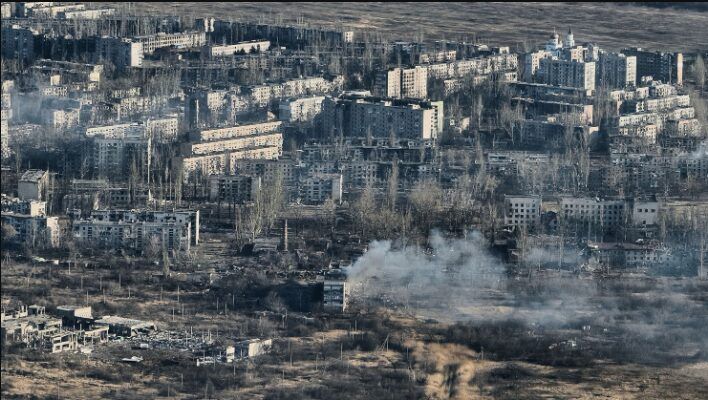
The War in Ukraine: A Comprehensive Analysis of the Conflict
