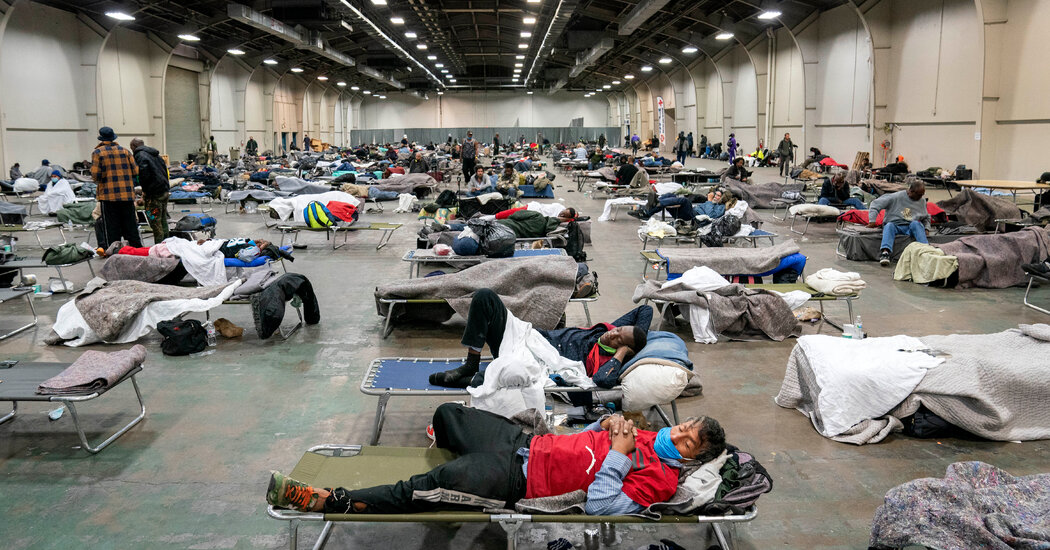
A tenacious winter storm that stranded travelers, closed schools and snarled roadways as it swept from New Mexico to New England this week continued to bring hazardous weather on Friday, dumping a mix of snow, sleet and ice on parts of the Northeast.
Heavy snow of more than a foot is projected in northern parts of New York and New England, with ice the primary concern farther south, said Rich Otto, a meteorologist with the National Weather Service’s prediction center.
In places already hit by the storm, problems lingered into Friday. Schools and colleges in several states canceled classes, and drivers in Texas found themselves stuck in frigid temperatures overnight, after an eighteen-wheeler truck jackknifed on Interstate 10 in Kerrville, about 60 miles northwest of San Antonio.
At least two people suffered serious injuries, and many others were stranded for about 10 hours, said Sgt. Jonathan Lamb of the Kerrville Police Department. Authorities were able to clear the busy highway by Friday afternoon.
“It was just too sleek and too icy,” Sgt. Lamb said.
Gov. Greg Abbott called the storm “one of the most significant icing events that we’ve had in the State of Texas in at least several decades.” Three to five inches of snow had fallen on some areas north and west of Fort Worth, Texas, by Friday, and roads in Central and North Texas were “very hazardous,” according to the Weather Service.
Continuing cold temperatures over the coming days will keep roads and runways icy. More than 3,300 flights in the United States had been canceled on Friday, with the highest number of cancellations at Dallas Fort Worth International Airport, Boston Logan International Airport and La Guardia Airport in New York, according to FlightAware, a tracking website.
That followed thousands of flights canceled earlier in the week, filling airports and nearby hotels with stranded travelers.
Up to an inch of sleet is expected to accumulate in parts of northern Connecticut, southeastern Massachusetts and northern Rhode Island, while Portland, Maine, could receive up to two inches. In the Boston area and across southern New England, rain will turn into freezing rain, and then sleet, resulting in icy road conditions.
“That sleet is going to be a bit more difficult to clean up, because we’re not going to get much help from warm temperatures,” said Sarah Thunberg, a meteorologist with the Weather Service in Portland, Maine.
Buffalo, N.Y., and northern Vermont could see snow accumulation of up to 14 inches, according to the Weather Service, with six to 12 inches expected across central New Hampshire. New York City is unlikely to see snow, Mr. Otto said, but may receive some ice mixed with rain. “It looks like they’ll be spared the worst of it,” he said.
By Friday afternoon, the storm had knocked out power to more than 300,000 homes and businesses, primarily in Tennessee, Ohio, New York and Pennsylvania.
Texas had fewer than 15,000 outages by Friday afternoon, bringing relief to residents scarred by the memory of an eight-day freeze nearly a year ago, when a widespread failure of the electrical grid plunged the state into darkness and claimed the lives of more than 240 people.
The impact of this week’s hazardous weather was also felt in Alabama, where a tornado killed one person near Sawyerville, south of Tuscaloosa, according to Russell Weeden, the director of emergency management for Hale County. He told local reporters that eight people had been injured, including three critically.
In Memphis, ice began accumulating from a continuous freezing rain on Thursday, leading to traffic crashes, downed trees and power outages. Ice storm warnings were issued farther east, including in parts of western Tennessee and Kentucky.
The situation on the highways was more dire in Illinois, where a portion of Interstate 57 was blocked for several hours on Thursday after several tractor-trailers jackknifed.
Edgar Sandoval, Mike Ives and Jenny Gross contributed reporting.
Related reporting
More World News →
South Sudan’s Oil Looters: How Young Elite Gatekeepers Plunder Nation While Citizens Starve
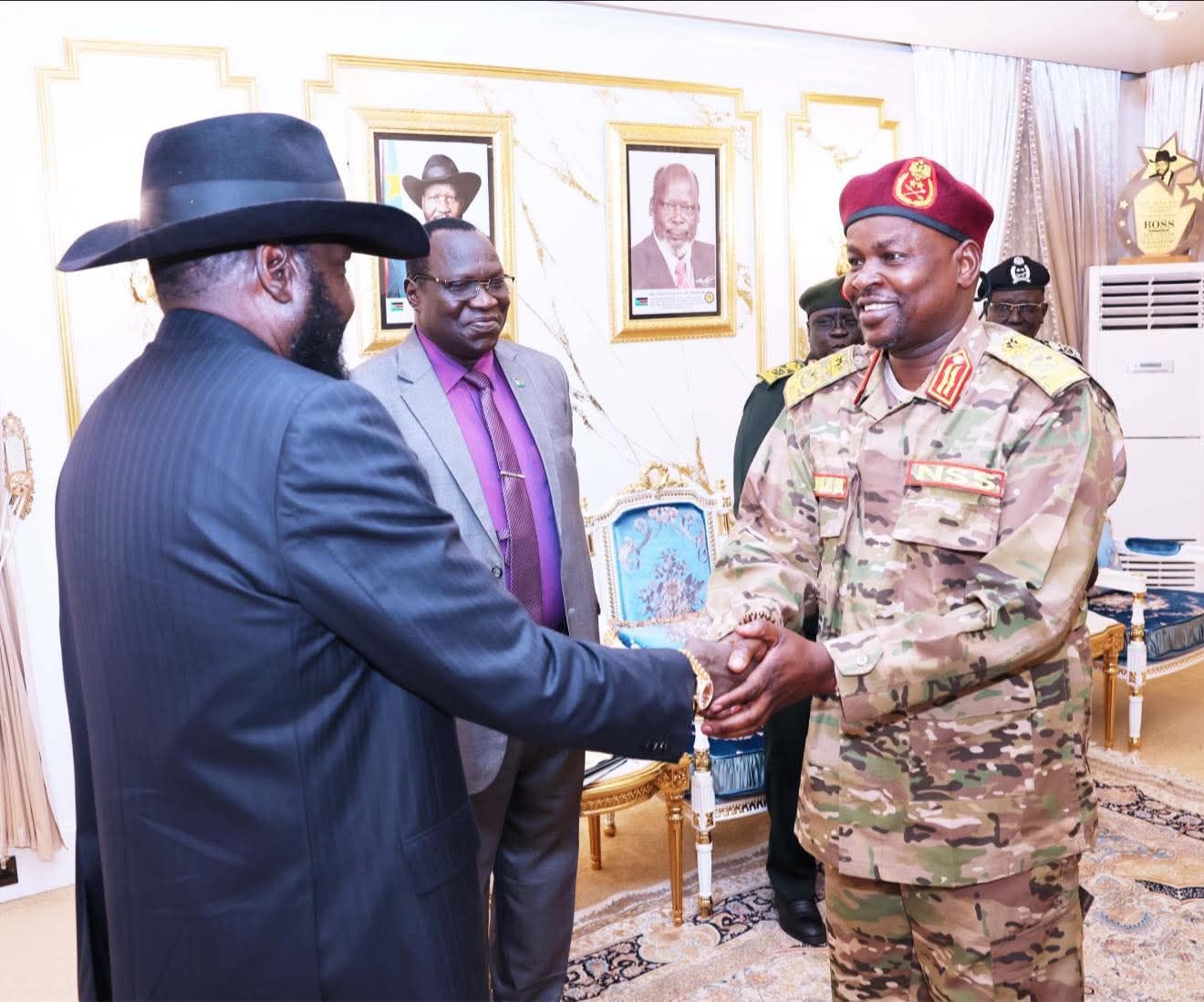
General to Private: Kiir Crushes Economic Vice President in South Sudan's $1.7 Billion Corruption Purge
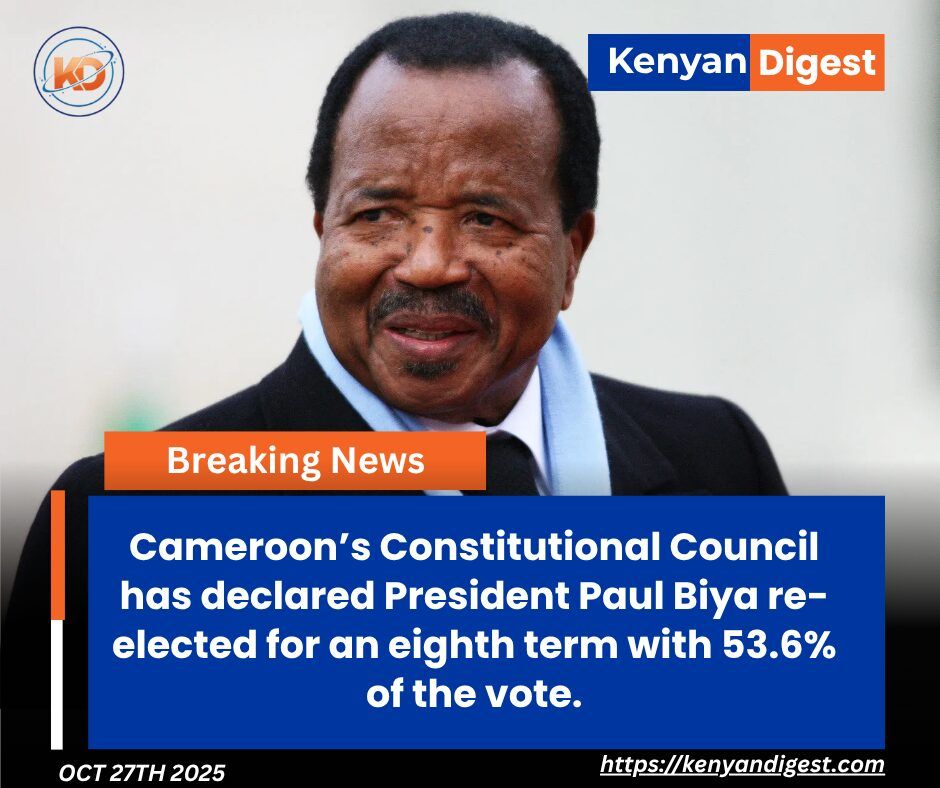
Paul Biya’s Re-Election: What Cameroon’s Political Longevity Reveals About Leadership and Governance in Africa