100000008056720
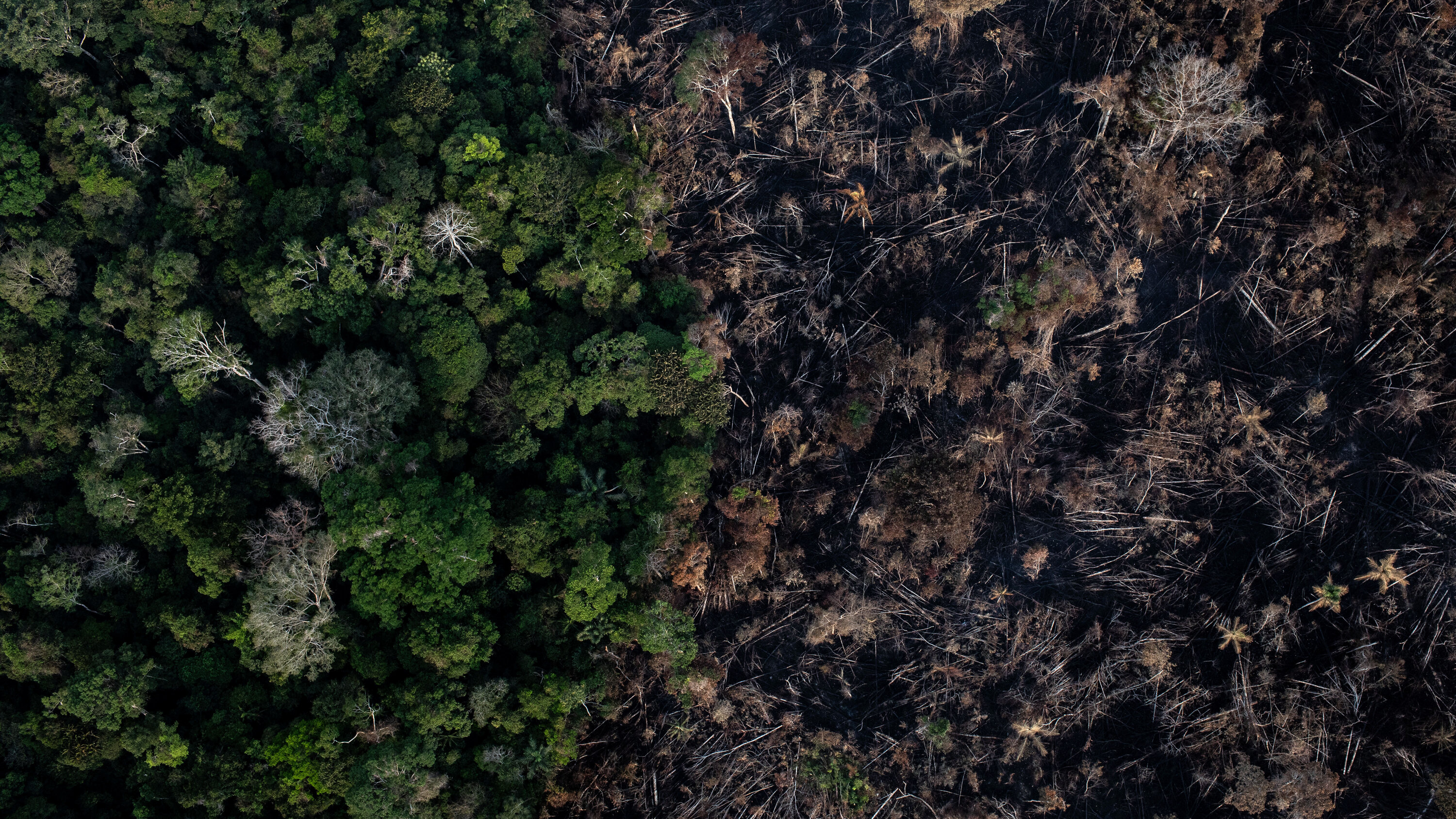
In a sweeping accord aimed at protecting the world’s forests, which are crucial to absorbing carbon dioxide and slowing the rise in global warming, leaders of more than 100 countries gathered in Glasgow vowed on Tuesday to end deforestation by 2030.
President Biden said the United States would contribute billions to the global effort to protect the ecosystems that are vital for cleaning the air we breathe and the water we drink, and keeping the Earth’s climate in balance.
The pact — which also includes countries such as Brazil, Russia and China — encompasses about 85 percent of the world’s forests, officials said. It is one of the first major accords to emerge from the United Nations climate summit known as COP26, which is seen as a crucial moment in efforts to address climate change.
“These great teeming ecosystems — these cathedrals of nature,” Prime Minister Boris Johnson of Britain said in announcing the agreement, “are the lungs of our planet.”
President Biden said he would work with Congress to deploy up to $9 billion to the global effort through 2030. Additionally, governments committed $12 billion through 2025, and private companies pledged $7 billion to protect and restore forests in a variety of ways, including $1.7 billion for Indigenous peoples. More than 30 financial institutions also vowed to stop investing in companies responsible for deforestation.
It was not the first time world leaders have announced a grand accord to address the critical issue.
In 2014, an accord was reached to halve deforestation by 2020 and end it entirely by 2030. But five years after the pledge, according to one estimate, the area of forest destroyed annually had grown dramatically worse.
Some environmentalists predicted that the same will happen this time.
“It allows another decade of forest destruction and isn’t binding,” said Carolina Pasquali, the executive director of Greenpeace Brazil. “Meanwhile, the Amazon is already on the brink and can’t survive years more deforestation.”
Supporters of the new pledge note that it expands the number of countries and comes with specific steps to save forests.
“What we’re doing here is trying to change the economics on the ground to make forests worth more alive than dead,” said Eron Bloomgarden, whose group, Emergent, helps match public and private investors with forested countries and provinces looking to receive payments for reducing deforestation.
The new commitment comes amid growing awareness of the role of nature in tackling the climate crisis. Intact forests and peatlands are natural storehouses of carbon, keeping it sealed away from the atmosphere. But when these areas are logged, burned or drained, the ecosystems switch to releasing greenhouse gases.
If tropical deforestation were a country, it would be the third-biggest emitter of greenhouse gases in the world, according to the World Resources Institute, after China and the United States. Much of the world’s deforestation is driven by commodity agriculture as people fell trees to make room for cattle, soy, cocoa and palm oil.
In an emotional speech on Tuesday at the summit, President Ali Bongo of Gabon said other leaders had failed to see how the world undervalued Africa’s critical ecosystems.
“The Congo basin is the heart and lungs of the African continent,” he said. “Our forests send rain to the Sahel and the Ethiopian highlands. They are critical to the African continent.”
Gabon is one of the few nations that absorb more carbon than they emit, with a forest that spans most of the country.
“It is my hope,” Mr. Bongo said, “that Glasgow will mark a turning point.”
Related reporting
More World News →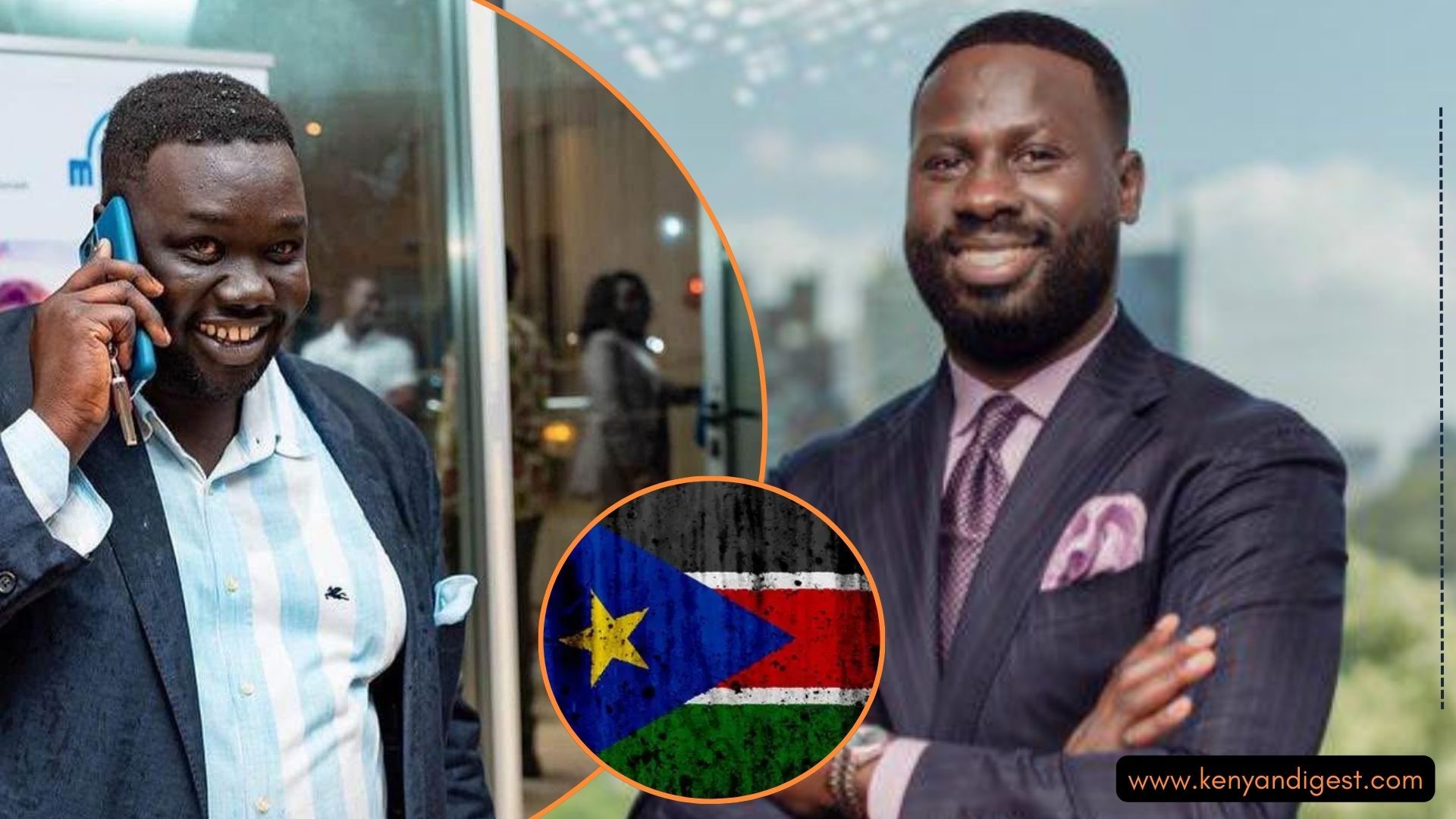
South Sudan’s Oil Looters: How Young Elite Gatekeepers Plunder Nation While Citizens Starve

General to Private: Kiir Crushes Economic Vice President in South Sudan's $1.7 Billion Corruption Purge
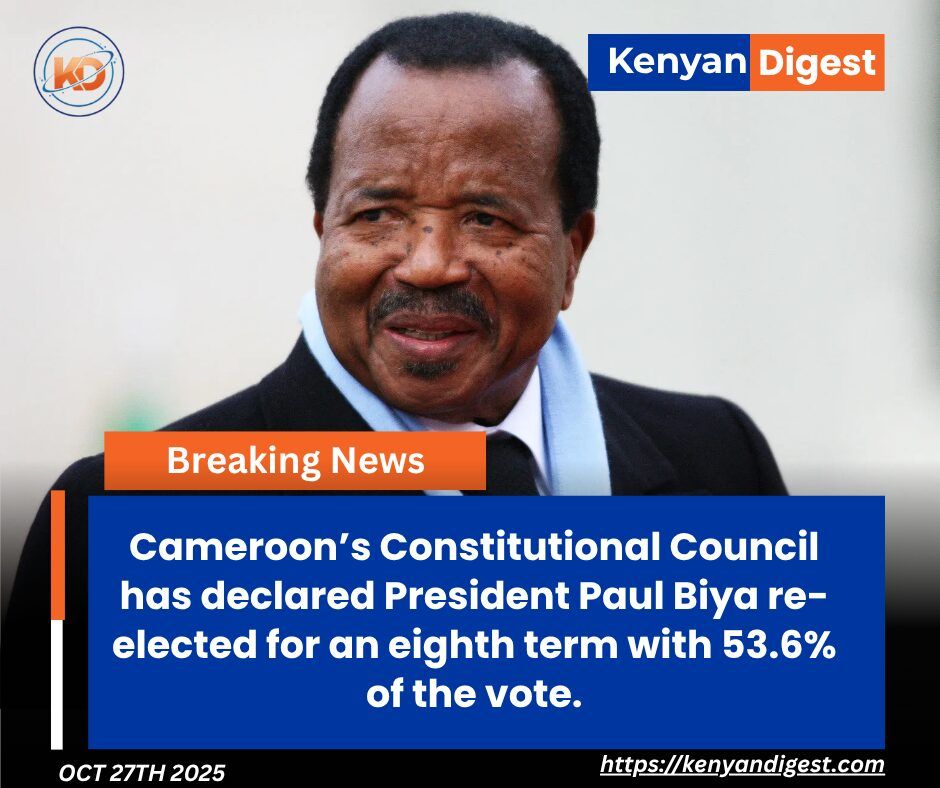
Paul Biya’s Re-Election: What Cameroon’s Political Longevity Reveals About Leadership and Governance in Africa