It will not review or approve any of their profit-making ventures. The couple said that everything they did would “continue to uphold the values of Her Majesty,” deliberately vague language that officials said was intended to insulate the family from being held accountable for them.
The palace will review the deal a year after it goes into effect this spring. Depending on how the transition goes, a palace official said, its terms could be modified in one direction or the other.
The prince, who served as a helicopter pilot in Afghanistan, will give up his military titles, including captain general of the Royal Marines, which could be painful to him, according to people with ties to the family. He inherited those titles from his grandfather Prince Philip and has defined himself through his military service.
But Harry will retain his connection to the Invictus Games, the global sports event for wounded, injured and sick service members that he founded in 2014. Forcing him to give that up, Ms. Junor said, would have been too wrenching, given his ties to the armed forces and injured soldiers.
Among the unanswered questions is how much financial independence the couple will really have. Prince Harry has significant private holdings through a multimillion-dollar inheritance from his mother, Princess Diana. The duchess also has money from her acting career, when she was known as Meghan Markle and appeared in the legal television drama “Suits.”
But they will give up public money from the Sovereign Grant, the primary vehicle for financing the royal family’s activities. According to their website, that accounts for 5 percent of their expenses.
The remaining 95 percent comes from the Duchy of Cornwall, a hereditary estate owned by Prince Harry’s father, Prince Charles. He will continue to support the couple, officials say, but it is not clear that he will do so with funds from the duchy. That money is considered to be quasi-public, given that Charles owns the duchy in his capacity as the Prince of Wales.
Related reporting
More World News →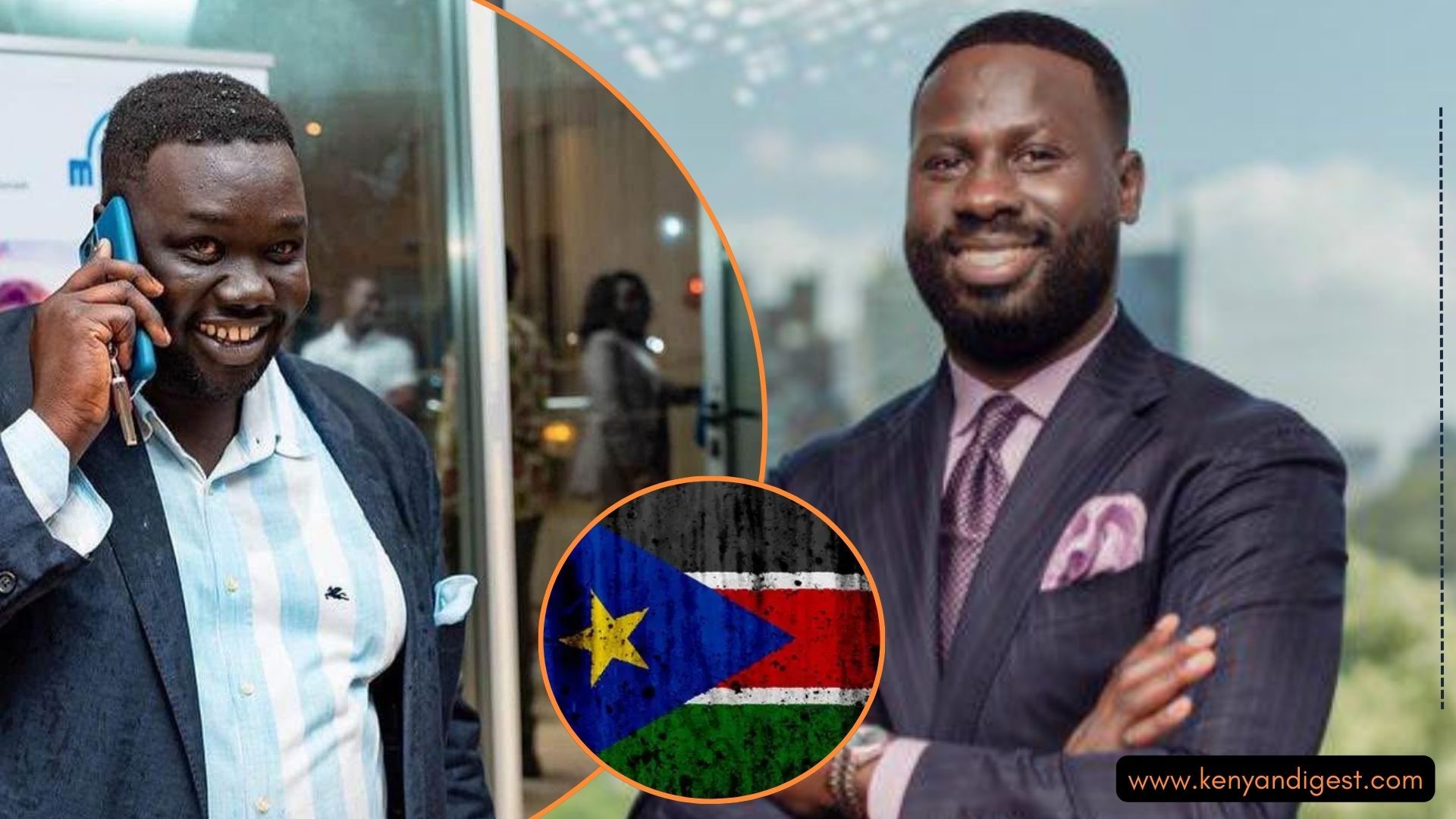
South Sudan’s Oil Looters: How Young Elite Gatekeepers Plunder Nation While Citizens Starve
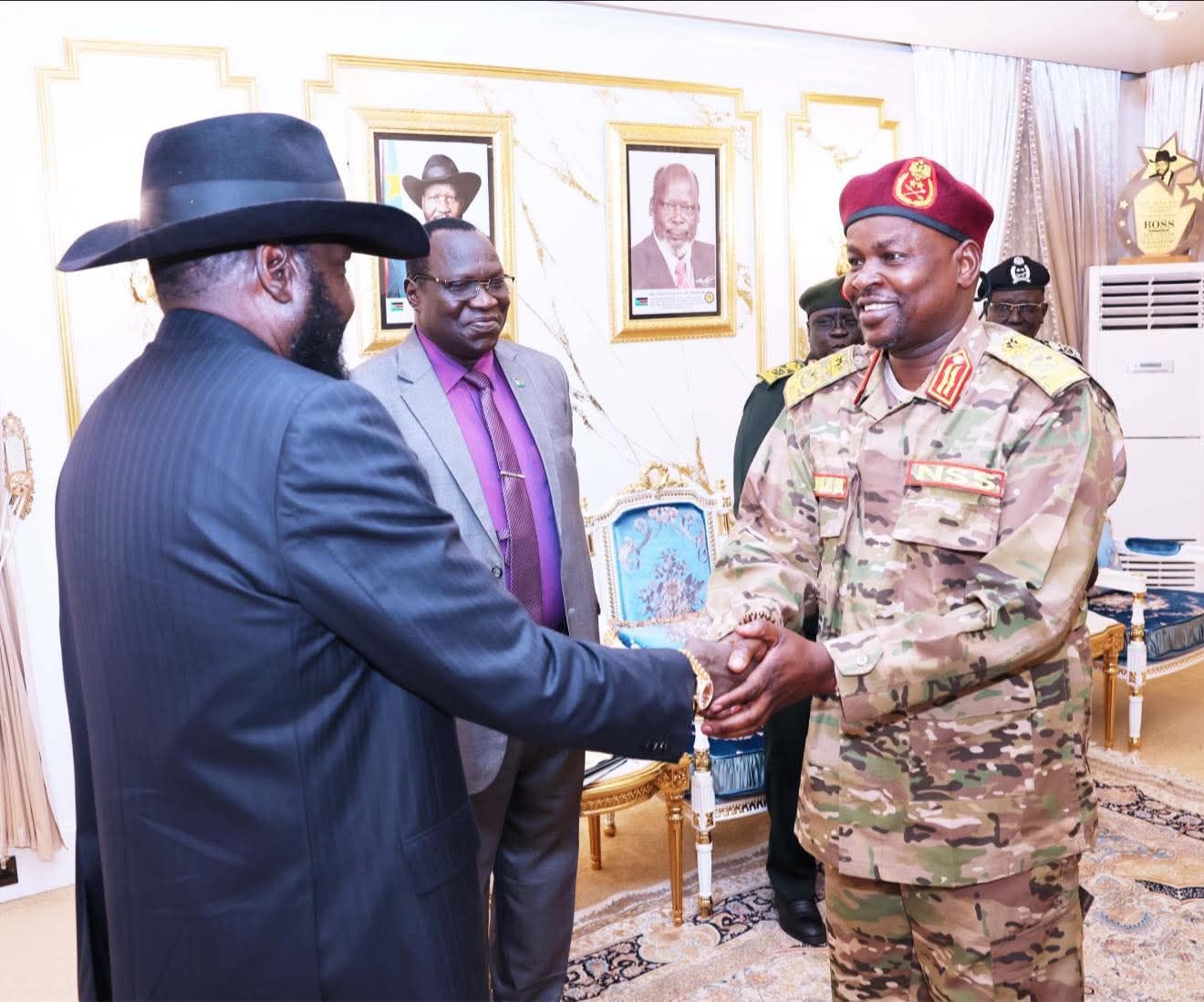
General to Private: Kiir Crushes Economic Vice President in South Sudan's $1.7 Billion Corruption Purge
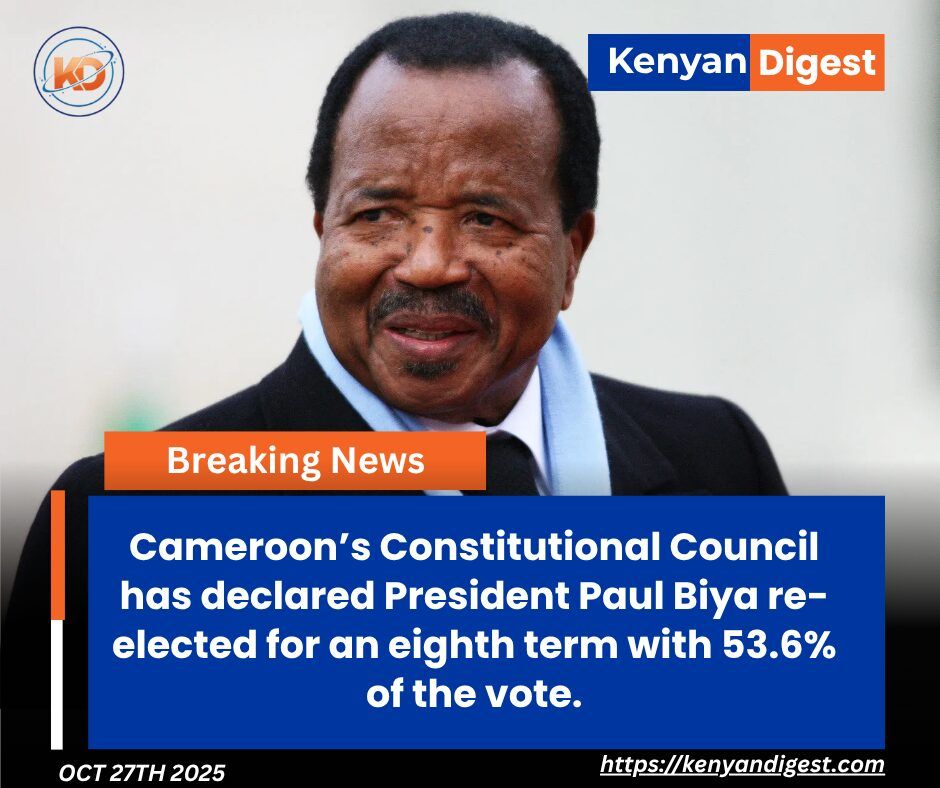
Paul Biya’s Re-Election: What Cameroon’s Political Longevity Reveals About Leadership and Governance in Africa