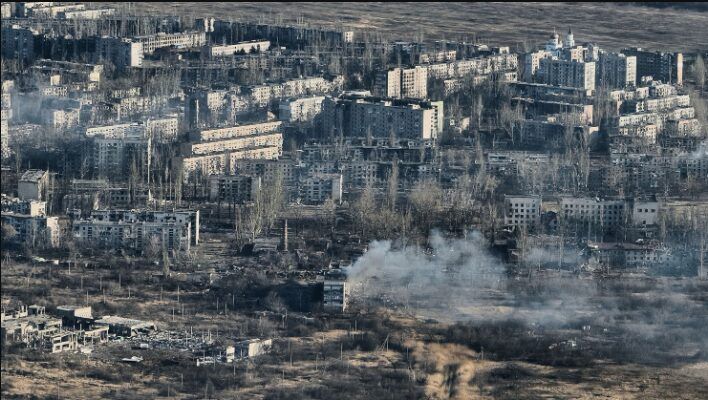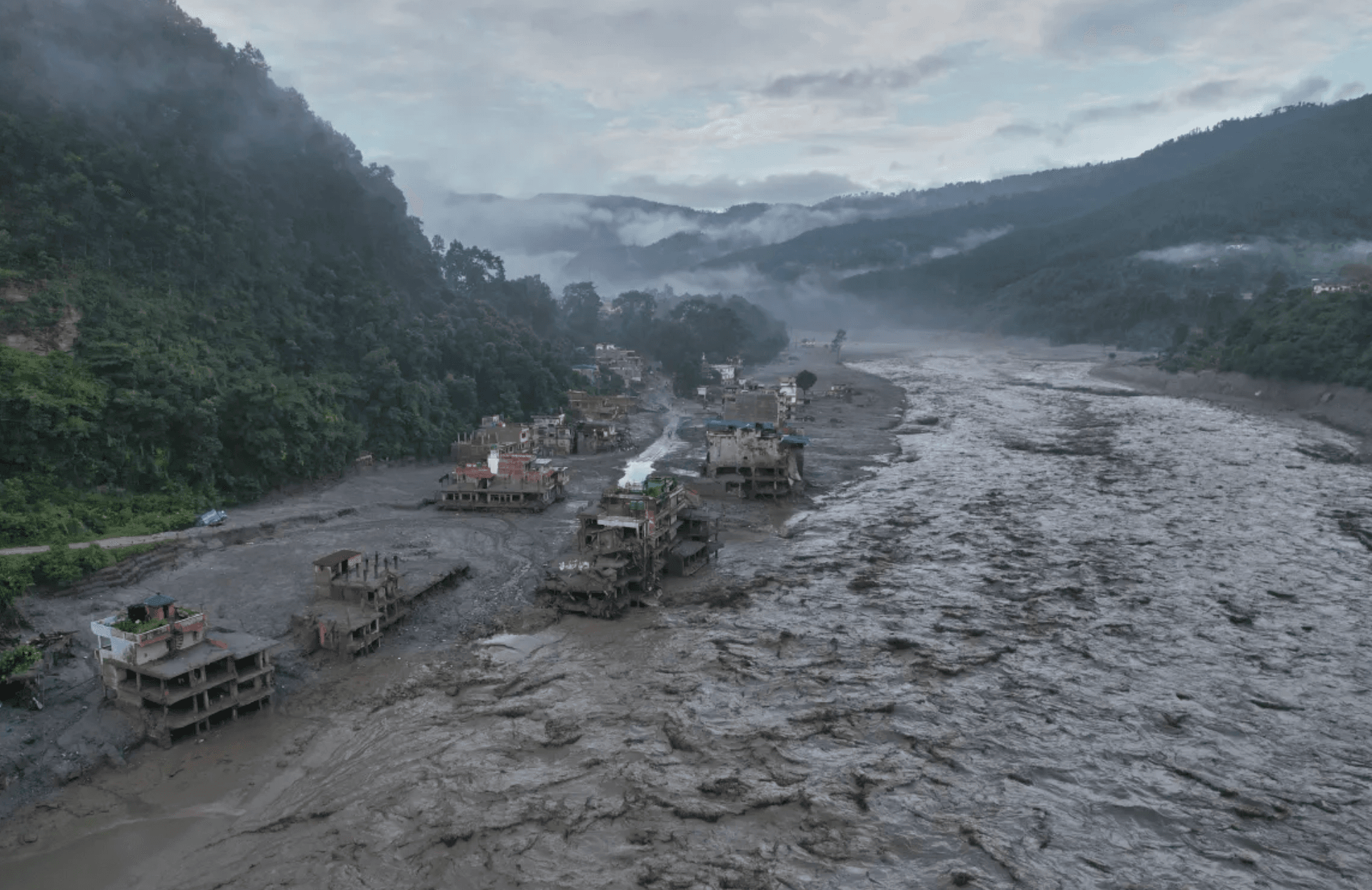
Nepal is battling a devastating flash flood and landslide disaster after a glacier collapse triggered a massive surge of water and debris along the Nepal–China border on 26 August 2026.
The disaster has killed at least 919 people in Nepal and Tibet, while nearly 4,800 people remain missing, according to the latest figures reported by authorities.
Nepal accounts for 903 of the confirmed deaths and 4,247 missing people, while China has reported 16 deaths and 546 missing in Tibet.
What caused the disaster?
The flooding began high in the Himalayas after part of a glacier collapsed.
Satellite analysis indicated that a large section of ice and rock broke away at an altitude of about 5,200 metres, plunging down the mountainside and striking a river in Tibet.
The debris temporarily blocked the river before the natural dam gave way, releasing a powerful surge downstream.
The flood then swept into Nepal's river system, carrying enormous amounts of water, mud, rocks and debris.
The event was particularly dangerous because it happened suddenly, leaving communities little time to evacuate.
Which areas have been worst affected?
Rasuwa District in northern Nepal has been among the hardest-hit areas, with severe destruction reported around settlements including Timure and Syapru Besi.
The floodwaters then travelled through the Bhote Koshi and Trishuli river systems, affecting areas farther south including Nuwakot and Dhading. Across the border, the Gyirong area of Tibet was also badly affected.
At least 19 bridges and about 40 kilometres of roads were washed away, making it difficult for rescuers to reach isolated communities.
Why are so many people missing?
The enormous number of missing people is partly linked to the scale and speed of the flooding.
Homes, vehicles and other structures were swept away, while mud and debris buried large sections of affected areas.
Hundreds of people are also missing from hydropower projects, where workers were inside tunnels when floodwaters entered.
According to Reuters, 933 workers were reported trapped in tunnels at 11 hydropower projects in Rasuwa and Nuwakot.
Rescue teams are using heavy machinery and specialised equipment to try to reach them.
Rescue efforts continue
Thousands of Nepalese security personnel are involved in search-and-rescue operations, supported by helicopters, heavy equipment and specialist teams.
China has also deployed more than 2,100 rescuers, while Chinese and Indian specialists are assisting with difficult operations at hydropower sites.
However, damaged roads, unstable terrain, bad weather and the risk of further landslides are slowing the response.
Authorities are also monitoring unstable lakes and other areas where another sudden release of water could cause additional flooding.
Could the situation get worse?
There are concerns that it could.
Nepal has issued fresh warnings as water levels rise in parts of the Bhote Koshi River.
The authorities are continuing to monitor areas where floodwater or debris could create new hazards.
This means that even as rescue teams search for survivors, communities downstream remain at risk.
What does this mean for Nepal?
The disaster has destroyed homes, roads, bridges and energy infrastructure and affected more than 90,000 people across the wider region.
It has also disrupted an important Nepal–China border corridor and raised concerns about the country's hydropower infrastructure.
In the longer term, the disaster is likely to renew calls for stronger early-warning systems, glacier monitoring, disaster preparedness and cross-border sharing of information.
Scientists are still investigating the exact sequence of events and the role of a warming Himalayan environment.
What is clear is that the combination of glaciers, steep mountain terrain, unstable slopes and powerful river systems can turn a sudden high-altitude event into a disaster affecting communities far downstream.
For now, the priority remains finding those still missing, rescuing people trapped in isolated areas and providing assistance to thousands of survivors who have lost homes and livelihoods.
The final death toll is expected to change as rescue teams reach more affected areas and authorities continue identifying victims.
SEO Metadata
SEO Title:
Meta Description:
Focus Keyphrase: Nepal-Tibet flood disaster
Slug: nepal-tibet-flood-disaster-explained
Tags:
Related reporting
More World News →
General to Private: Kiir Crushes Economic Vice President in South Sudan's $1.7 Billion Corruption Purge

Paul Biya’s Re-Election: What Cameroon’s Political Longevity Reveals About Leadership and Governance in Africa

From Power to Prison: The Fall of France’s Former President Nicolas Sarkozy