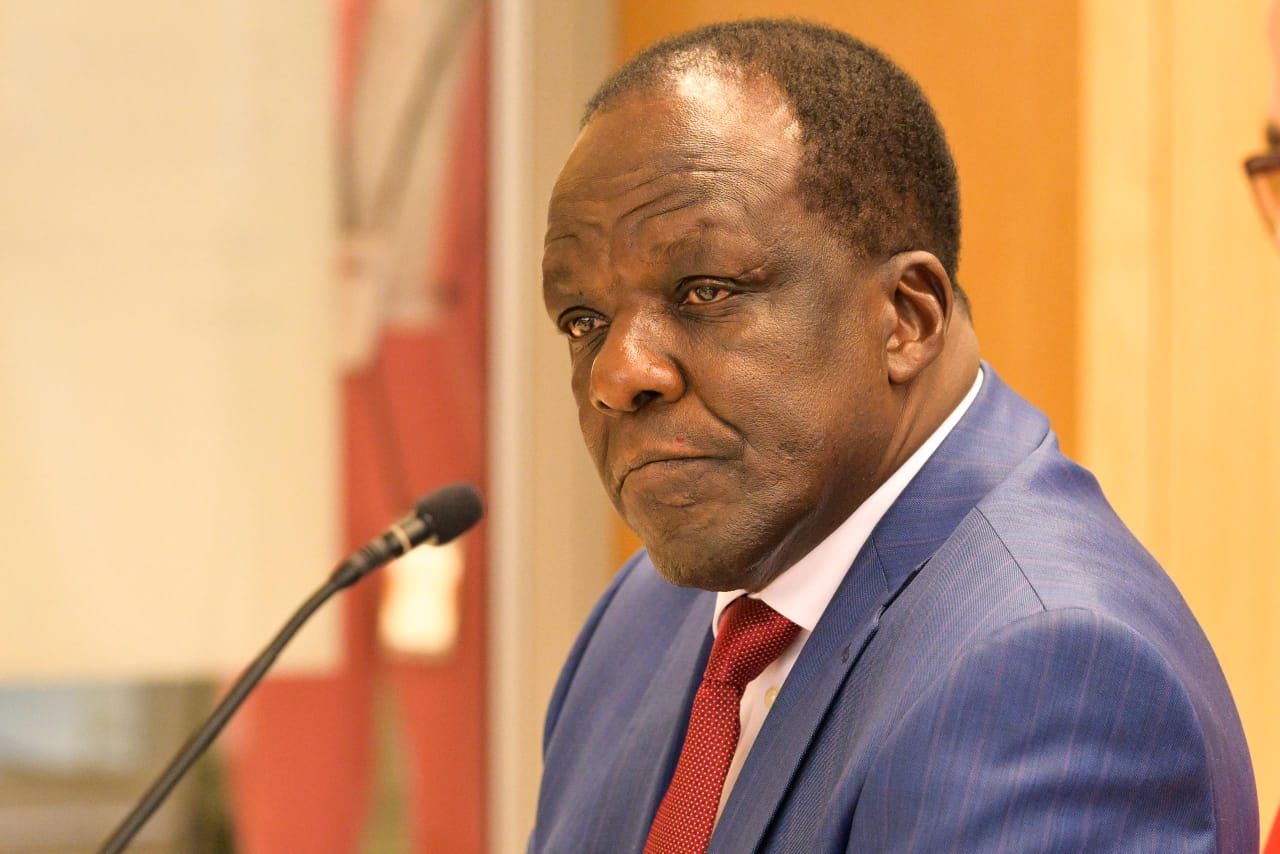
The Nairobi High Court on October 2, 2026 ruled that the Director of Public Prosecutions’ July 8, 2024 order to withdraw criminal charges against Cabinet Secretary Wycliffe Oparanya was unconstitutional and void.
Justice Benjamin Musyoki held that the DPP had acted beyond the law, usurped the investigative role of the Ethics and Anti-Corruption Commission (EACC) and therefore issued a certiorari quashing the decision.
The case stems from allegations that Oparanya, former Kakamega governor, received KSh56.7 million from directors of Sabema International Limited and Sesela Resources Limited in connection with county contracts and a property purchase in Karen, Nairobi.
The EACC investigated the matter, obtained search warrants and searched properties in Butere, Muthaiga and Karen in August 2023, and recommended prosecution for conflict of interest, abuse of office, money laundering and conspiracy to commit corruption.
Director of Public Prosecutions Renson Ingonga initially concurred with the EACC’s recommendation on December 18, 2023; Oparanya’s lawyers wrote to the DPP on July 3, 2024 seeking a review, and the DPP issued a letter on July 8, 2024 directing the file to be closed for lack of sufficient evidence, citing the difficulty of securing a conviction.
Public-interest litigant Fredrick Mulaa filed a constitutional petition challenging the withdrawal, and the EACC supported the petition, stating it had not been consulted before the DPP’s reversal and had reiterated its recommendation after receiving the July 8 letter.
The EACC also informed the National Assembly on July 29, 2024 of the intended criminal and civil proceedings and of orders preserving KSh28.9 million suspected to be proceeds of corruption.
Justice Musyoki explained that while the DPP may review prosecutorial decisions, the proper procedure requires referring any fresh evidence to the EACC under Section 5(2)(b) of the ODPP Act, because the DPP has no investigative powers.
The judge described the DPP’s process as lacking transparency, “shrouded in mystery,” and in breach of Article 157(11) of the Constitution; he rejected Oparanya’s claim of a legitimate expectation that he would not be prosecuted.
The court dismissed the DPP’s cross-petition to remove letters from the record, rejected the argument that the documents were obtained illegally, and declined to order the EACC to publish cases where consent to prosecute had been withdrawn or to prohibit the DPP from withdrawing consent based on suspect representations.
The judgment also refrained from declaring Oparanya’s Cabinet appointment unlawful, noting that the National Assembly had vetted and approved him and that the court had not been provided with the vetting proceedings.
Each party was ordered to bear its own costs.
Related reporting
More General News →
President William Ruto Presides Over First RPL Graduation, Launches Fundi Locator App

Kenya Directs Arrivals From Ten African Nations to JKIA Gate 16 for Ebola Screening
South Sudan Ambassador Urges Citizens in Kenya to Renew Visas