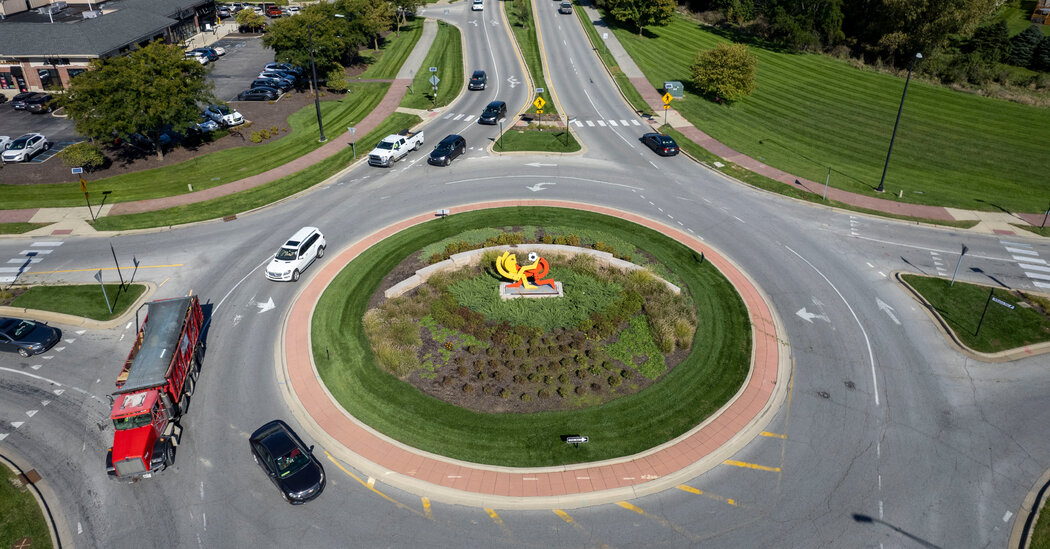
“Just imagine a post-Sandy, post-Katrina or post-Andrew world where recovery funds were put to work building resilient, sustainable modern roundabouts instead of rebuilding fragile, polluting signalized intersections,” Mr. Sides, the traffic engineer, said.
The United States has been slow to adopt modern roundabouts, though that is changing somewhat. By one count, they now number about 7,900 countrywide, with hundreds added each year. Still, hesitation remains.
5 Takeaways From the COP26 Climate Summit
Card 1 of 5
1. Time for action is running out. The major agreement struck by diplomats established a clear consensus that all nations need to do much more, immediately, to prevent a catastrophic rise in global temperatures.
2. How much each nation needs to cut remains unresolved. Rich countries are disproportionately responsible for global warming, but some leaders have insisted that it’s the poorer nations who need to accelerate their shift away from fossil fuels.
3. The call for disaster aid increased. One of the biggest fights at the summit revolved around whether — and how — the world’s wealthiest nations should compensate poorer nations for the damage caused by rising temperatures.
4. A surprising emissions-cutting agreement. Among the other notable deals to come out of the summit was a U.S.-China agreement to do more to cut emissions this decade, and China committed for the first time to develop a plan to reduce methane.
Mr. McBride, who, as Carmel’s city engineer for 13 years, oversaw the construction of nearly 80 roundabouts, said roundabout-curious municipal leaders often asked how to win over the public.
“You can spit out fact-based data, but at the end of the day most of the general population is scared of things that are new and different,” Mr. McBride said.
Roundabouts put decision making in the hands of drivers, unlike much of the U.S. roadway system, which, Mr. McBride said, “doesn’t put a lot of faith in the driver to make choices.”
“They’re used to being told what to do at every turn,” he said.
More than half of all serious crashes happen at intersections, according to the Federal Highway Administration, which has been pushing the construction of modern roundabouts for 20 years and provides funding for them through highway safety, congestion mitigation and air quality improvement programs.
In the course of promoting roundabouts, Mr. Brainard visited Sarasota, Fla., in 2009, where he said he was met with a roomful of angry people. Among their fears: roundabouts were bad for pedestrians and would cause uneven wear on tires. But Mr. Brainard’s spiel about Carmel’s experiences evidently hit home. Sarasota now has a dozen roundabouts, with another in construction and five more planned, and just this year won the Innovative Roundabout of Merit Award.
Related reporting
More World News →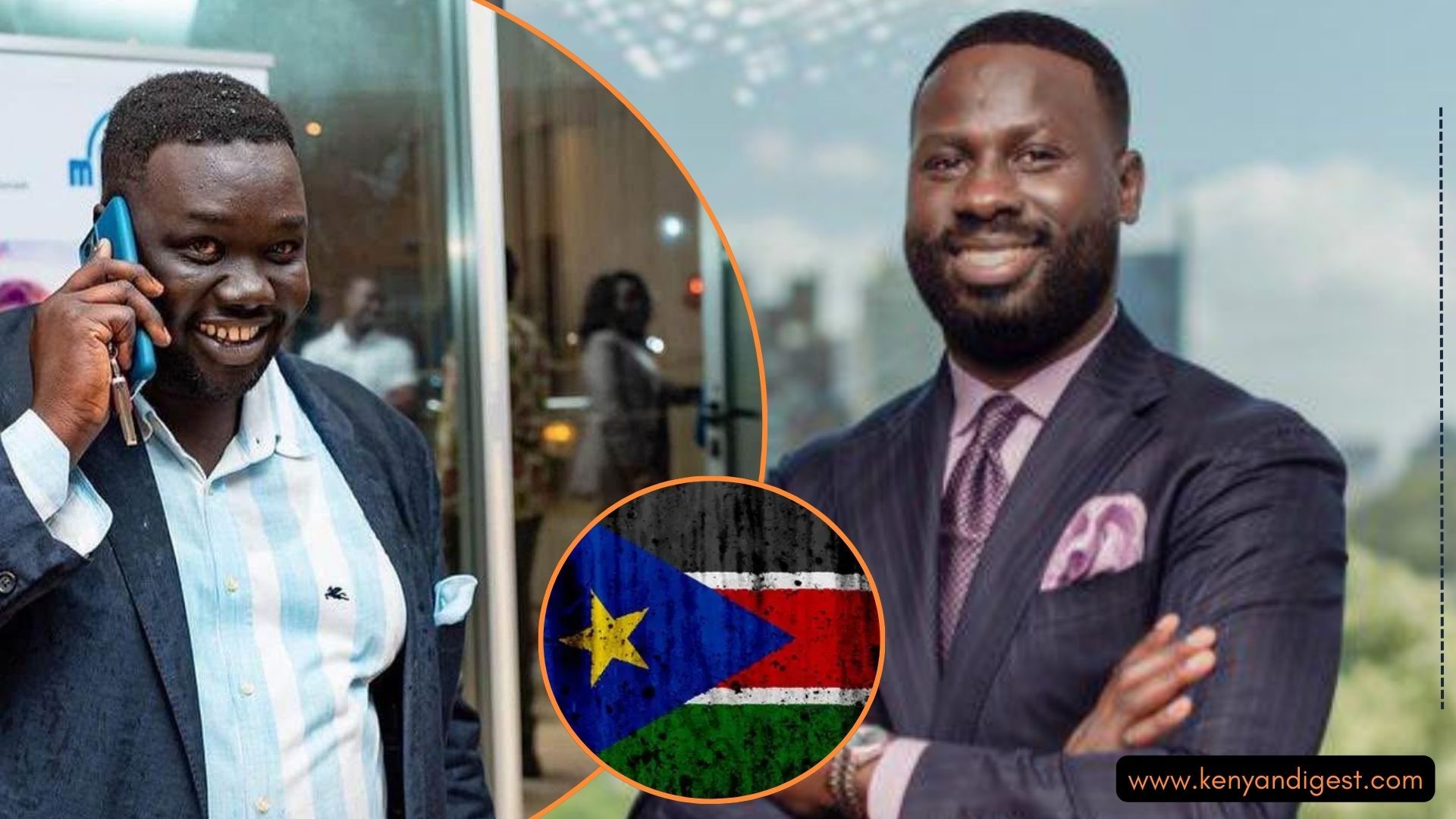
South Sudan’s Oil Looters: How Young Elite Gatekeepers Plunder Nation While Citizens Starve

General to Private: Kiir Crushes Economic Vice President in South Sudan's $1.7 Billion Corruption Purge
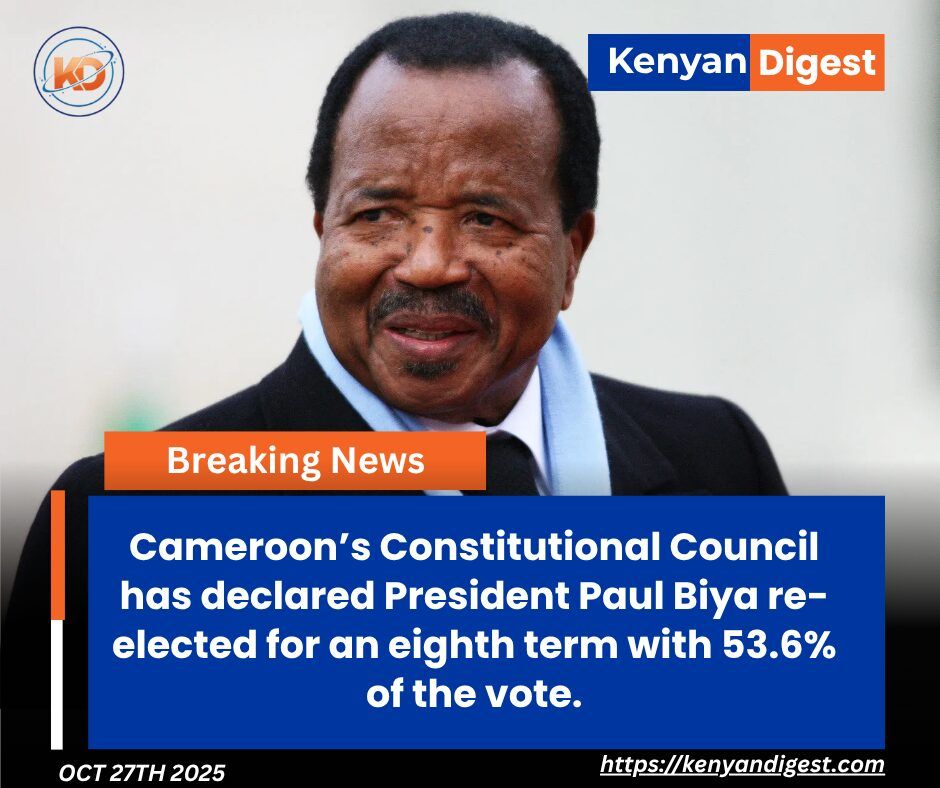
Paul Biya’s Re-Election: What Cameroon’s Political Longevity Reveals About Leadership and Governance in Africa