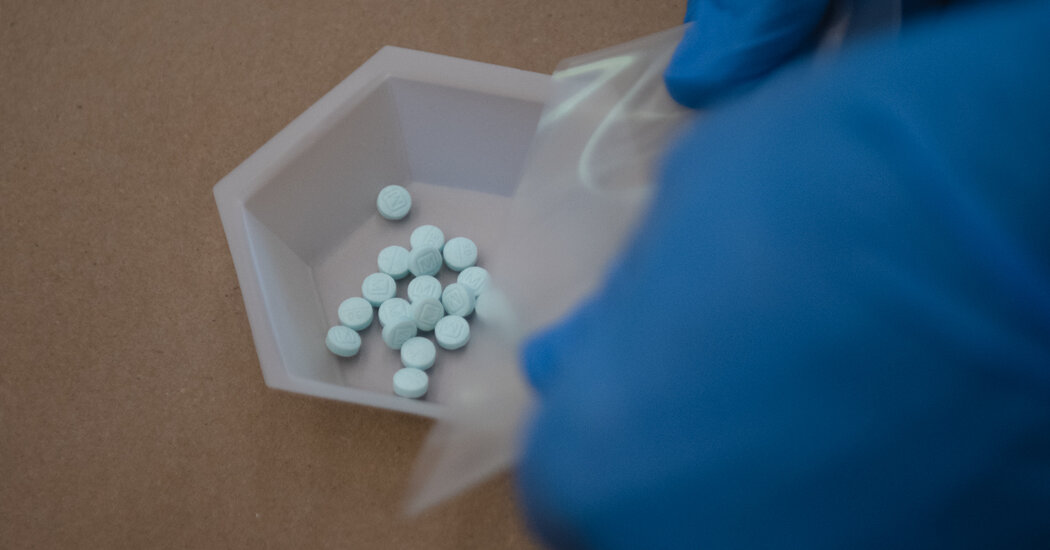
Today the drug is far simpler to obtain. Fentanyl is primarily manufactured in China, which sends it or the raw ingredients, called precursors, on cargo ships to Mexico, where it is finished by cartels, according to Ben Westhoff, the author of “Fentanyl, Inc. How Rogue Chemists Created the Deadliest Wave of the Opioid Epidemic.” It is widely available on the “dark web,” an untraceable online network, and shipped in the mail.
Fentanyl’s spread has been pushed by the profit imperative, according to interviews with dealers: On each leg of the journey of a drug like heroin or cocaine, from cartel to end user, sellers often cut the pure product with cheap powders that are similar in appearance, a process known as “stepping on” the drug. Once it was things like baby formula; today, it is likely to be fentanyl.
There is no quality control: A street dealer might cut fentanyl into cocaine that already contains it, creating a lethal dose.
In interviews, dealers described lacing as completely ad hoc. One said she measured out fentanyl with a McDonald’s ice cream spoon, leveled with a playing card. More than one dealer did not measure at all, spritzing liquid fentanyl onto baking sheets of marijuana, creating a once-rare concoction that some dealers say is increasingly requested.
Tim, the dealer from Newburgh, said overdoses were almost a perk. Once word got out, he said, his phone would light up with users seeking extra-strong fentanyl, an experience several other dealers said they shared.
“That means it was so good, this person dropped on it,” said Tim, 32. “So trust me, you want to come and get what I have.” In addiction recovery at Odyssey House, he said he is now filled with shame.
“The destruction I caused, I think, how could I have done that?” Tim said. “It started off with fentanyl.”
Related reporting
More World News →
South Sudan’s Oil Looters: How Young Elite Gatekeepers Plunder Nation While Citizens Starve

General to Private: Kiir Crushes Economic Vice President in South Sudan's $1.7 Billion Corruption Purge
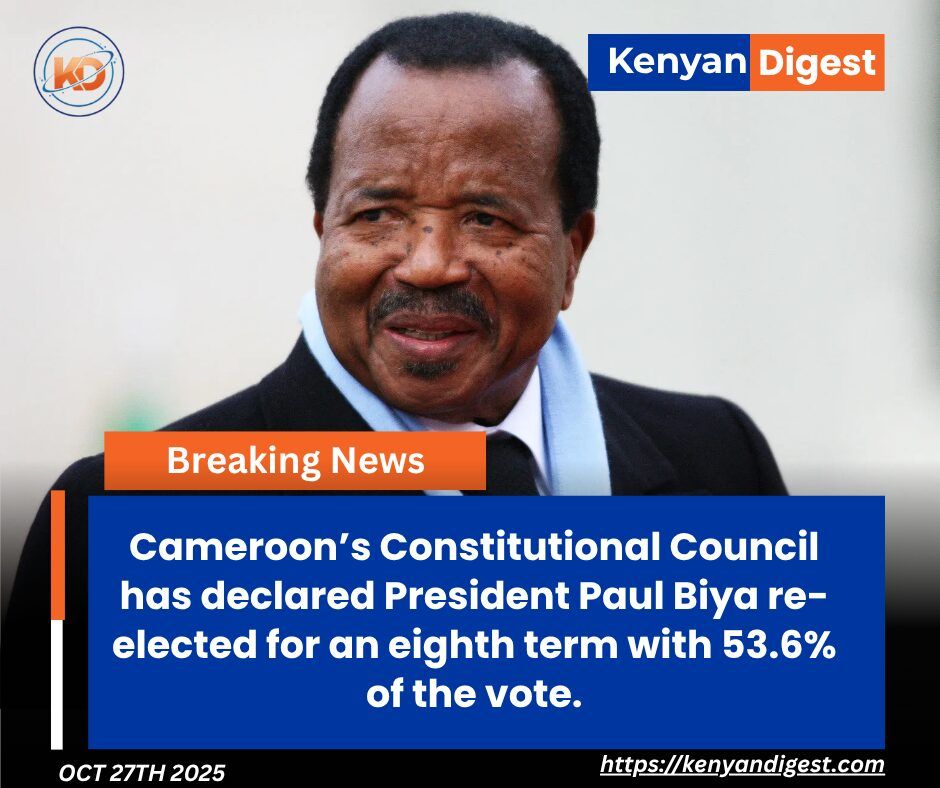
Paul Biya’s Re-Election: What Cameroon’s Political Longevity Reveals About Leadership and Governance in Africa