
Such draconian measures, in time, are sure to be contested. But the government has a plan for that: draining the life blood from democracy. There’s the Elections Bill, which — alongside potentially disenfranchising millions through the introduction of mandatory voter ID — aims to furnish the government with new powers over the independent elections regulator, sealing up the political process. Unless substantially amended, the bill’s consequences could be constitutionally far-reaching.
The urge to centralize power also underlies the Judicial Review and Courts Bill, which would enable Mr. Johnson and his ministers to overrule judicial review findings that challenge their agenda. The Online Safety Bill, ostensibly designed to regulate Big Tech, is yet to be introduced to Parliament. But many free-speech advocates fear that it could be used to silence critics on social media, censoring those reporting details Mr. Johnson’s government would rather keep from public view. No more pesky judges or overly inquisitive journalists interfering with government business.
It’s a truism that nations sleepwalk into tyranny, and England — the most politically powerful of the nations comprising Britain — is no exception. For decades it has possessed all the necessary ingredients: ever more spiteful nationalism, press fealty sold to the highest bidder and a fervent, misplaced belief that authoritarianism could never set up shop here, because we simply wouldn’t let it.
In this event, though, concerted opposition to Mr. Johnson’s plans has not materialized. Establishment politics have been no match for the determination of Mr. Johnson and his allies: A hefty and largely supportive Conservative majority means that even when the Labour Party has decided to oppose legislation, its votes have barely counted. And despite valiant efforts by a coalition of grass-roots groups and the initial groundswell of the “Kill the Bill” protests, a mass movement opposing these bills has failed to come together. Instead, a miasma of grim inevitability has settled in.
That’s dangerous, not least because this authoritarian assault is so comprehensive that once settled as law, it will prove very tricky to unpick. Like many leaders who seek to transcend the constraints of democracy, Mr. Johnson may not foresee a future where he isn’t the one calling the shots. But the miserable shadow his power grab will cast over Britain is likely to last far longer than the tenure of the would-be “world king” himself.
His place in the history books, however, is secured. He will forever be the libertine whose pursuit of personal freedom and “control” saw his countrymen robbed of theirs.
Related reporting
More World News →
South Sudan’s Oil Looters: How Young Elite Gatekeepers Plunder Nation While Citizens Starve

General to Private: Kiir Crushes Economic Vice President in South Sudan's $1.7 Billion Corruption Purge
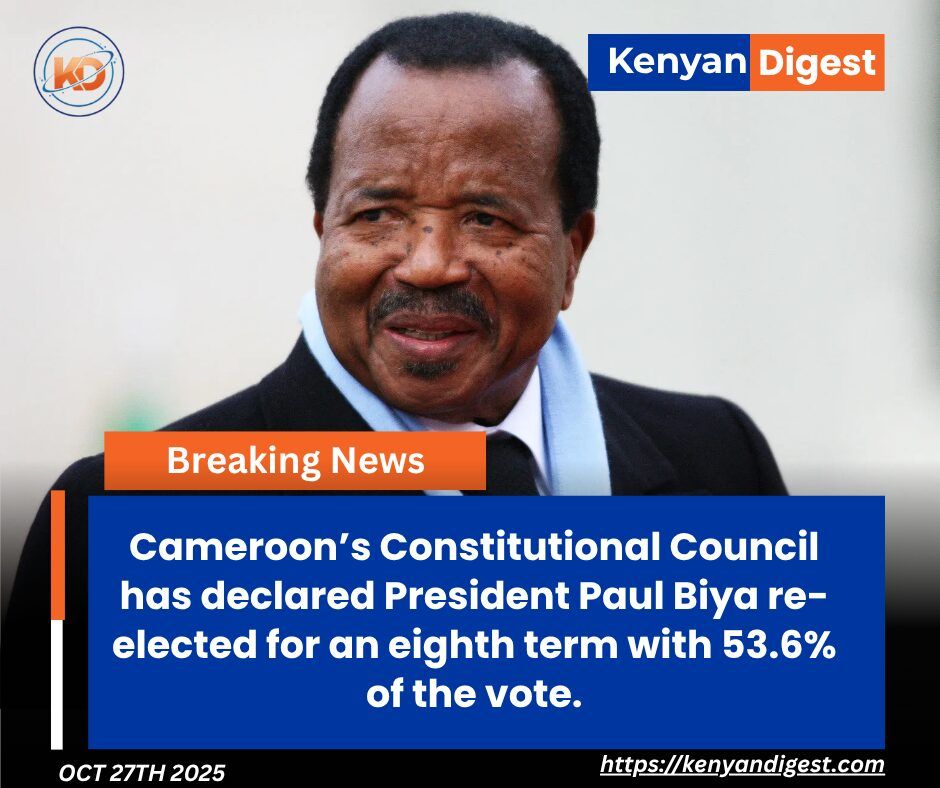
Paul Biya’s Re-Election: What Cameroon’s Political Longevity Reveals About Leadership and Governance in Africa