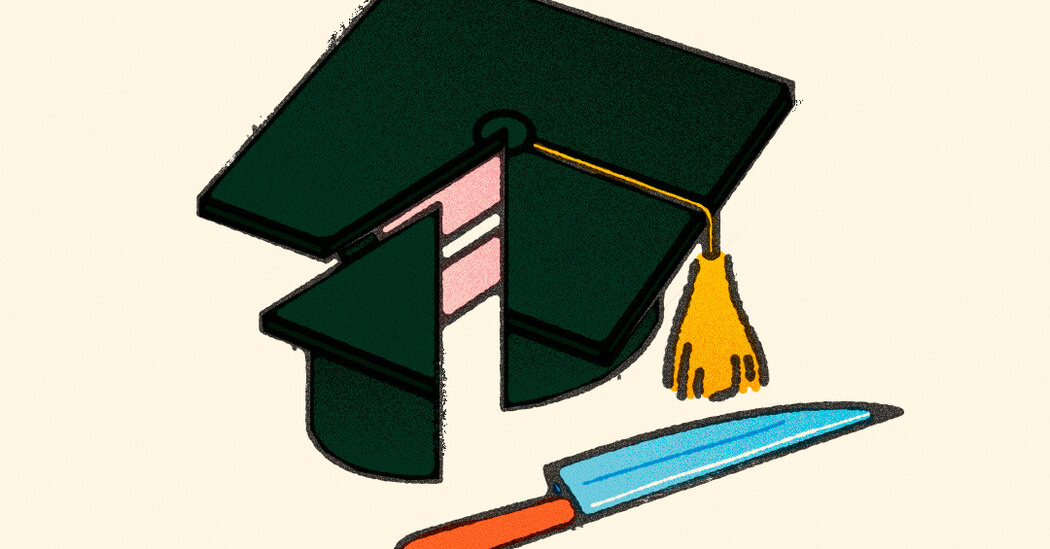
OK, but what about affirmative action at nonelite colleges?
There’s a common misconception that every college in the United States employs some form of affirmative action. The truth is that a majority of colleges in this country let in most of their applicants and serve a relatively local population that more or less reflects the demographics of the area. For example, only 14.1 percent of undergraduate students at Cal State East Bay are white. By comparison, 78 percent of undergraduates at Chadron State College in Nebraska are white. This doesn’t mean that Chadron State discriminates against minority applicants or that Cal State East Bay has the greatest minority recruitment program of all time. The reality is that both schools aren’t selective — Chadron takes everyone — and their student bodies simply reflect the people who apply.
In 2014, there were only 352 colleges that publicly stated that they considered race in the admissions process, according to a 2017 study. That’s less than 10 percent of all the two- and four-year colleges in the country. The study also found that most exclusive schools considered the race of the applicant. This makes sense. The only schools that need to make decisions based on race are those schools that need to choose among applicants at all.
So what can we do?
I’ve written in an earlier edition of this newsletter about the role that community colleges could play in ensuring a more equitable and open path toward upward mobility in this country. Public colleges already take thousands of kids a year from the working and middle classes. Expanded and fully normalized pipelines from community colleges to state universities could provide opportunities not only for poor students of color, but also for economically disadvantaged students from all backgrounds.
This system, which would be modeled, in part, after the Canadian public university system, would reduce the stress on high school students to meet the impossible standards of elite colleges. The University of Toronto, which U.S. News and World Report ranked as the top university in Canada last year, has an enrollment of over 74,000 undergraduates, far more than the number of students enrolled at all eight Ivy League schools combined. There are highly competitive, specialized programs at Toronto and other universities in Canada, but they exist within the overall structure of the public university, which means that for the most part, there isn’t a college track for the elites of Canada and one for everyone else. If you care about your grades in high school, chances are you will be able to attend the university in your province. And you will almost certainly not be exclusively surrounded by the wealthy elite.
Last September, House Democrats released a bill that included language curtailing endowment taxes on private colleges, provided they offer “sufficient grants and scholarships” for some students. This move coincided with a banner year for many elite universities that saw their coffers swell during the pandemic. Cornell, Dartmouth and Yale all reported over 40 percent returns on their investments in 2021. This only accelerated a longstanding trend: Between 1990 and 2010, the return on capital endowments for universities with endowments larger than $1 billion grew roughly 50 percent faster than universities with endowments that totaled less than $100 million.
Rather than offer these universities what amounts to a break on their taxes, the Biden administration should raise them considerably. Lowering tuition for a select number of students who have already gotten into highly selective schools does very little actual good — most of those schools have robust financial aid programs anyway. I believe that the money raised from aggressively taxing endowments should be used to fund community colleges and state university programs instead, so that more students could benefit.
Related reporting
More World News →
South Sudan’s Oil Looters: How Young Elite Gatekeepers Plunder Nation While Citizens Starve

General to Private: Kiir Crushes Economic Vice President in South Sudan's $1.7 Billion Corruption Purge
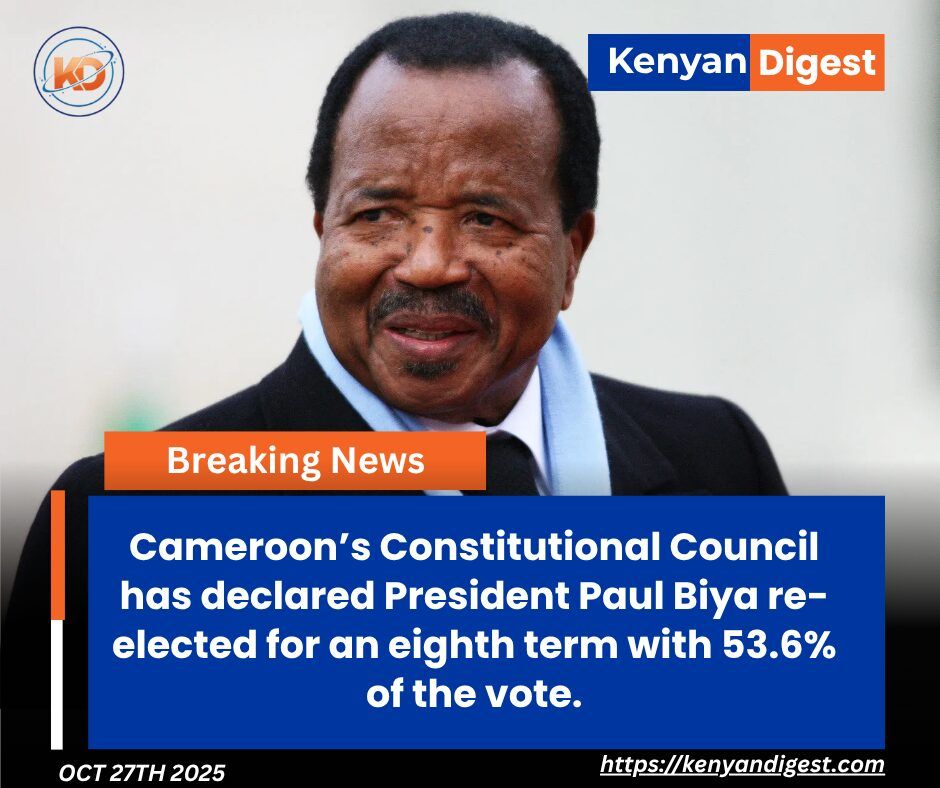
Paul Biya’s Re-Election: What Cameroon’s Political Longevity Reveals About Leadership and Governance in Africa