
A political shift is certainly accelerating within elite institutions, where the younger generation is trying to establish a new ideological consensus, a new set of standards and boundaries for behavior and opinion, that otherwise would have advanced more slowly, with more contestation, over the next 10 years. (That these institutions are subject to the consolidating forces described above makes the battle to control them more important, and the professional stakes more fraught.)
Finally in corporate America, there may be trends toward both consolidation and dispersal. The former, because even federal intervention probably won’t prevent small businesses from going under while bigger businesses ride things out, accelerating the pre-existing drift toward a less entrepreneurial, more monopolist America.
But the latter, because the remote-work experience, pandemic fears and possibly-rising crime rates may encourage more companies to abandon the great consolidated hubs of the digital age, or at least fling more satellite campuses out to Idaho and Iowa and other lower-cost-of-living states, dispersing talent back into the heartland for the first time in two generations.
Of the trends I’ve described, only this last one seems like a hopeful sign that post-pandemic America might become less sclerotic, less decadent than the America of 2019. If one wanted to be especially optimistic, one could add that maybe — maybe — a corporate dispersal will reduce social stratification, and help create new intellectual, journalistic and even religious centers.
But overall, the pandemic seems likely to bring us more quickly to a future of consolidated power, weakened human-scale institutions and growing ideological conformity. Along with far too many lives, that’s what’s likely to be lost in this strange between-time: a decade’s worth of chances to take an off-ramp, choose a different direction, or just stand athwart 2030 yelling stop.
The Times is committed to publishing a diversity of letters to the editor. We’d like to hear what you think about this or any of our articles. Here are some tips. And here’s our email: [email protected].
Follow The New York Times Opinion section on Facebook, Twitter (@NYTOpinion) and Instagram, join the Facebook political discussion group, Voting While Female.
Related reporting
More World News →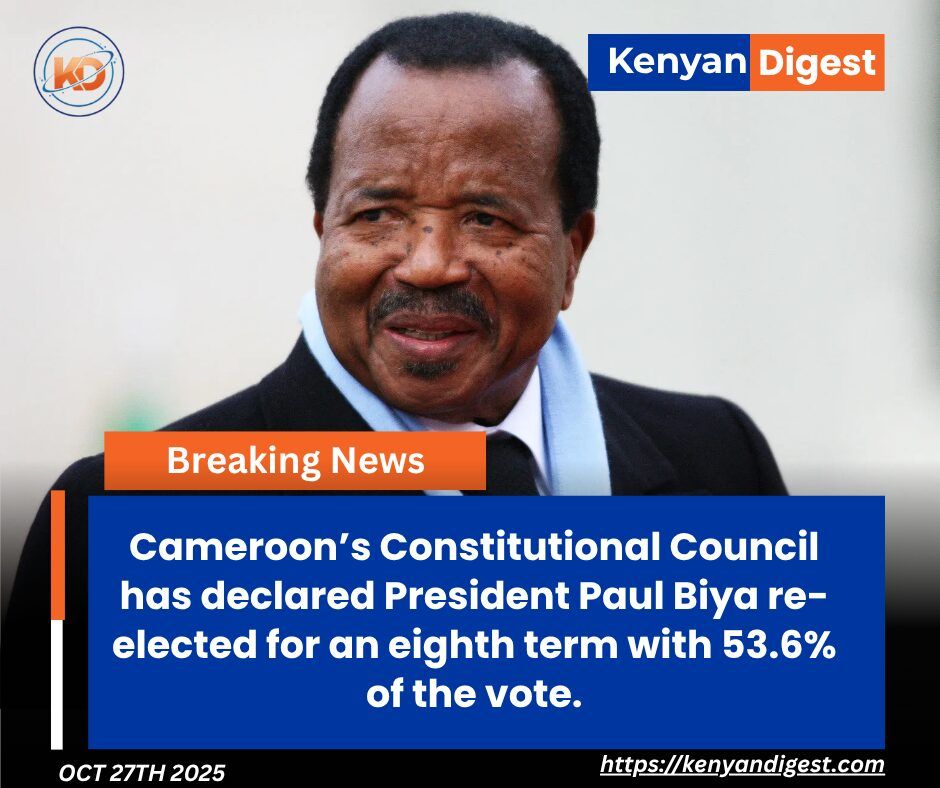
Paul Biya’s Re-Election: What Cameroon’s Political Longevity Reveals About Leadership and Governance in Africa

From Power to Prison: The Fall of France’s Former President Nicolas Sarkozy

The War in Ukraine: A Comprehensive Analysis of the Conflict
