WASHINGTON — The Trump administration has reached agreements with Canada and Mexico to lift tariffs on metals imported from those countries, people familiar with the matter said, resolving a yearlong standoff that inflamed North Atlantic tensions and complicated efforts to ratify a revised trade deal.
The agreements, which could be announced as early as Friday, would essentially free both countries from President Trump’s tariffs but set up a mechanism for monitoring and enforcement in the case of import surges.
It is unclear when exactly the agreement would go into force and the terms of the deal could still change before it is officially announced. Canadian Prime Minister Justin Trudeau was expected to speak about the agreement on Friday in Hamilton, Ontario, according to a spokesman.
The decision to ease the 25 percent tariffs on steel and 10 percent tariffs on aluminum comes as the White House also announced a six-month delay in determining whether to impose levies on foreign automobiles. That extension delivers a temporary reprieve to global automakers and auto suppliers, which had been bracing for punishing tariffs of up to 25 percent. But it sets up a tight six-month deadline for the president and his advisers to reach trade deals with Japan, Europe and potentially other countries.
The rollback of metal tariffs would likely result in Canada and Mexico lifting the retaliatory levies that they have placed on American businesses, easing some of the pressure of the president’s trade war. Canada and Mexico put taxes on a variety of American goods in return for Mr. Trump’s metal tariffs, but their tariffs on products like pork, cheese and milk have especially hurt American farmers who are already smarting from trade conflicts with China and Europe.
The agreement is also likely to help the administration focus on the other trade fights it is waging, most notably fractious negotiations with China, which nearly collapsed last week.
But it is unclear whether it will be enough to help secure passage of the new United States-Mexico-Canada Agreement in Congress. The United States, Canada and Mexico signed that trade deal, the successor to the North American Free Trade Agreement, in November. But the pact still needs to be ratified by legislatures in all three countries.
American lawmakers of both parties, as well as Canada and Mexico, had insisted that tariffs on steel and aluminum must be lifted before votes would be held. Lawmakers have argued that the tariffs, while aimed at other countries, are hurting American companies and consumers by raising prices for products that use imported steel and aluminum.
“As long as the tariffs are in place, ratification will be very, very problematic,” Chrystia Freeland, the Canadian foreign minister, said during a visit to Washington on Wednesday.
Even with an agreement to resolve metal tariffs, the North American pact still faces potential opposition from congressional Democrats. Democrats have criticized its labor and environmental protections as insufficiently weak, and said that its protections for drug companies may undermine their efforts to make health care more affordable.
Related reporting
More World News →
General to Private: Kiir Crushes Economic Vice President in South Sudan's $1.7 Billion Corruption Purge
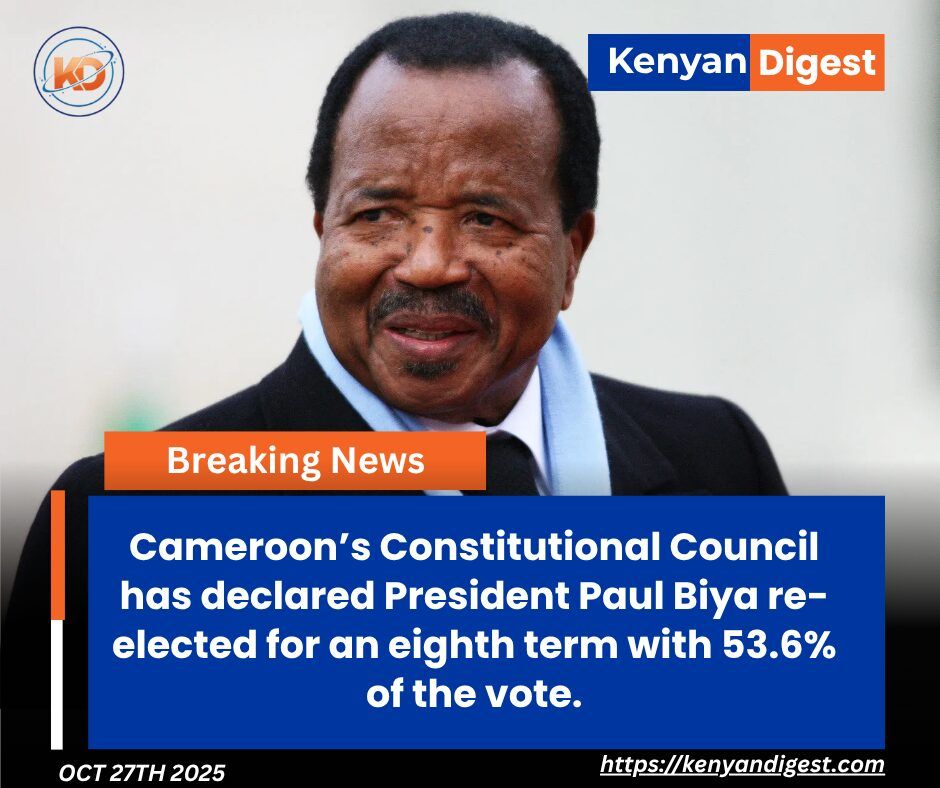
Paul Biya’s Re-Election: What Cameroon’s Political Longevity Reveals About Leadership and Governance in Africa

From Power to Prison: The Fall of France’s Former President Nicolas Sarkozy