
Every virus has different properties, and the coronavirus is already far more widespread than Ebola was in West Africa. At that time, given that Ebola only spreads via direct physical contact with the bodily fluids of someone infected, the Centers for Disease Control and Prevention recommended self-monitoring for the 21-day incubation period, not a quarantine.
But in October 2014, the state of Connecticut announced a mandatory quarantine as fears about the Ebola virus crested globally. “Even if it was justified, which it was not, the way in which the quarantine was imposed and maintained was unlawful,” said Michael J. Wishnie, also a Yale Law School professor.
Mr. Boyko and Laura Skrip, both graduate students at the Yale School of Public Health, went to Liberia for three weeks in September 2014 to help build a central database for the Ministry of Health. They were not exposed to any victims, but after Mr. Boyko came down with two mild fevers, both students were forced into quarantine in New Haven, Conn. — even though he tested negative for Ebola.
Police officers stationed in front of their home turned people away, although Yale sometimes interceded to deliver supplies.
Nathaniel Sieh, his wife, Louise Mensah-Sieh, and their four children had just arrived from Liberia when they were also quarantined for three weeks in nearby West Haven — in one room in a relative’s chilly basement.
Bishop Harmon D. Yalartai, a pillar of the Liberian immigrant community, hurried to welcome them with bags brimming with bread, milk, pastries and other groceries. A police officer ordered him to leave with the groceries.
“It has a stigma and a lot of fear around it because everybody is afraid and they wanted to be cautious, and rightly so, but there can be too much misunderstanding,” said the cleric. “Maybe the same thing will happen with the coronavirus.” The problem then, which remains today, is that the legal parameters around a quarantine remain murky because they have not been challenged in recent decades.
Related reporting
More World News →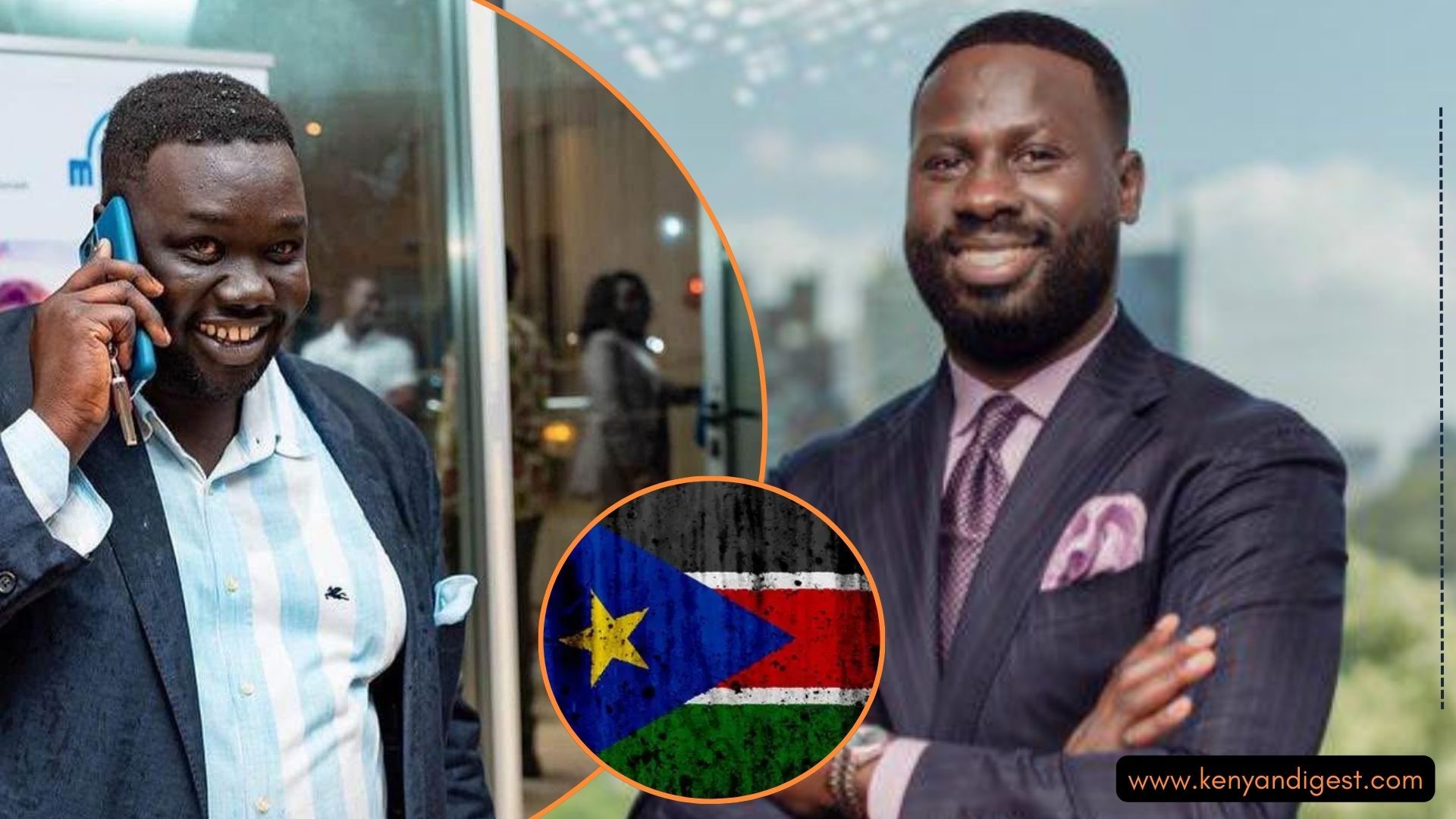
South Sudan’s Oil Looters: How Young Elite Gatekeepers Plunder Nation While Citizens Starve
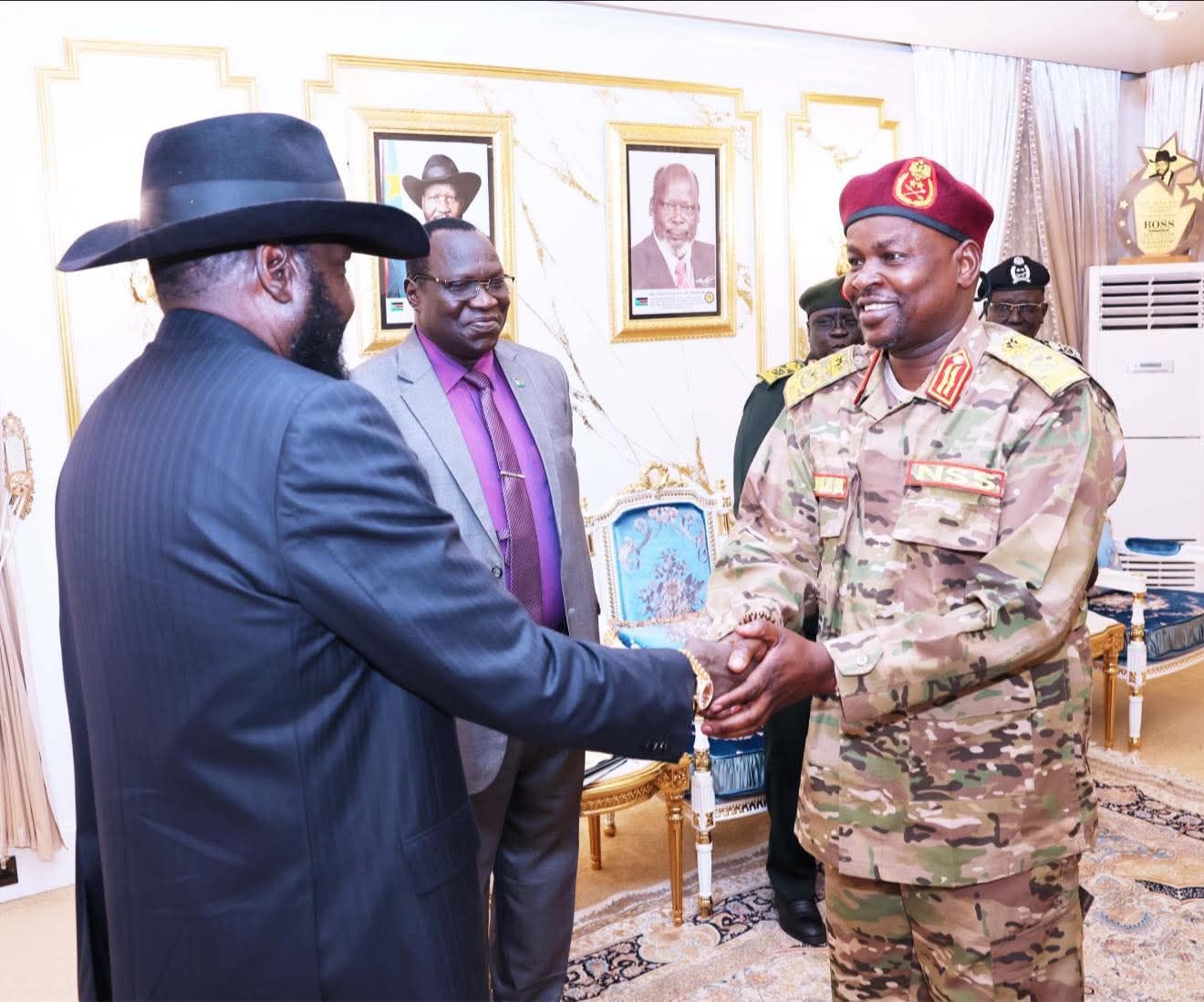
General to Private: Kiir Crushes Economic Vice President in South Sudan's $1.7 Billion Corruption Purge
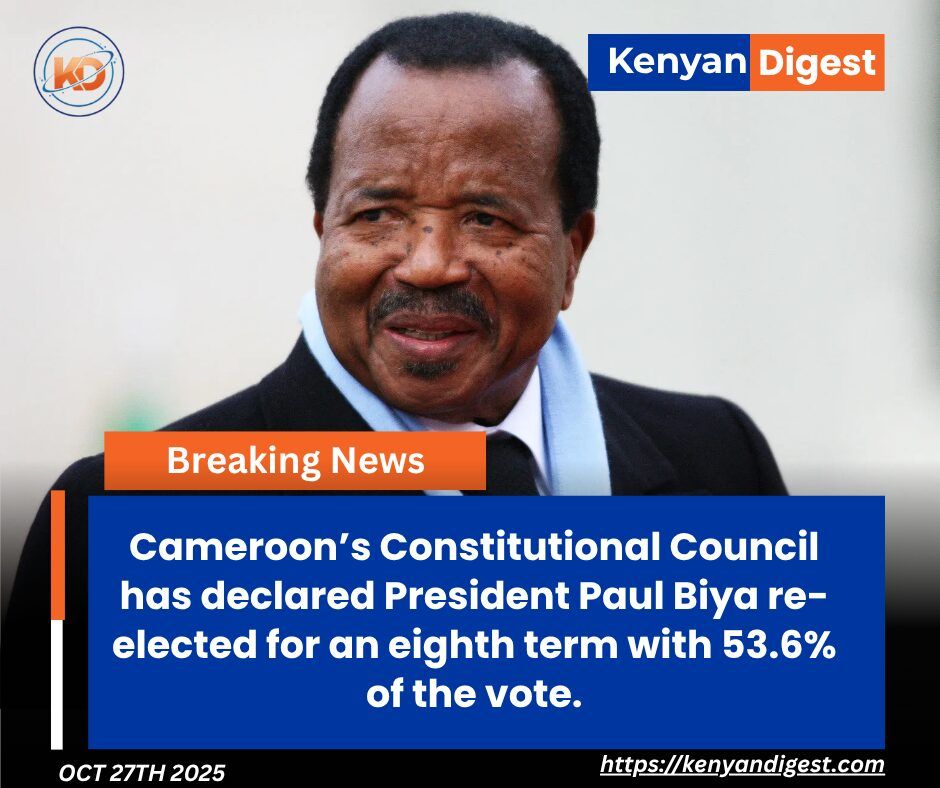
Paul Biya’s Re-Election: What Cameroon’s Political Longevity Reveals About Leadership and Governance in Africa