And an update to that gauge on Friday showed that wages climbed 0.4 percent in October, which is roughly in line with recent monthly price increases. Over the past year, that measure is up by 4.9 percent. But the data on hourly earnings have been distorted by the pandemic, because low-wage workers who left the job market early in 2020 are now trickling back in, jerking the average around.
The upshot is that the tug of war between price increases and pay increases has yet to decisively swing in workers’ favor.
Whether wage gains eventually eclipse inflation — and why — will be crucial for economic policymakers. Central bankers celebrate rising wages when they come from productivity increases and strong labor markets, but would worry if wages and inflation seemed to be egging each other upward.
The Federal Reserve is “watching carefully,” for a troubling increase in wages, its chair, Jerome H. Powell, said on Wednesday, though he noted that the central bank did not see such a trend shaping up.
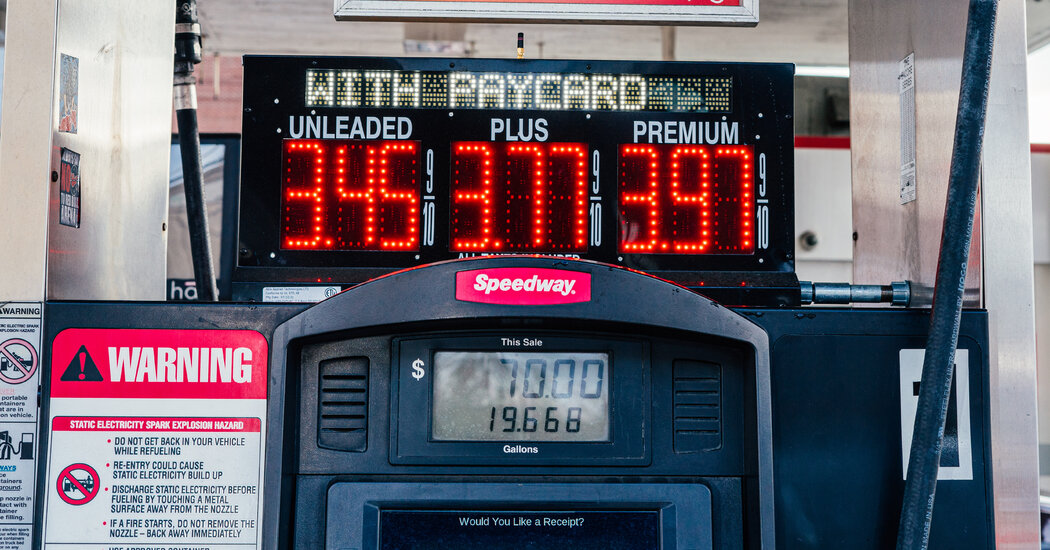
Recruiters do report some early signs that inflation is factoring into pay decisions. Bill Kasko, president of Frontline Source Group, a job placement and staffing firm in Dallas, said that as gas prices in particular rise, employees are demanding either higher pay or work-from-home options to offset their increased commuting costs.
“It becomes a topic of discussion in negotiations for salary,” Mr. Kasko said.
But for the most part, today’s wage gains are tied to a different economic trend: red-hot demand for workers. Job openings are high, but many would-be employees remain on the labor market’s sidelines, either because they have chosen to retire early or because child care issues, virus concerns or other considerations have dissuaded them from working.
Emily Longsworth Nixon, 27 and from Dallas, is one of Mr. Kasko’s employees. She tried to recruit a woman to an executive assistant position at a technology company that would have given her a $30,000 raise — and saw the candidate walk away for a counter offer of no additional pay but three work-from-home days each week.
Understand the Supply Chain Crisis
Card 1 of 5
Almost anything manufactured is in short supply. That includes everything from toilet paper to new cars. The disruptions go back to the beginning of the pandemic, when factories in Asia and Europe were forced to shut down and shipping companies cut their schedules.
First, demand for home goods spiked. Money that Americans once spent on experiences were redirected to things for their homes. The surge clogged the system for transporting goods to the factories that needed them — like computer chips — and finished products piled up because of a shortage of shipping containers.
Now, ports are struggling to keep up. In North America and Europe, where containers are arriving, the heavy influx of ships is overwhelming ports. With warehouses full, containers are piling up at ports. The chaos in global shipping is likely to persist as a result of the massive traffic jam.
“After that, I had my tail between my legs for a couple of days; I had never thought to ask that,” she said, adding that employers need to know their candidates like never before as workers flex their power, taking home raises and other perks. “Before Covid, it was an employer-driven market.”
Related reporting
More World News →
South Sudan’s Oil Looters: How Young Elite Gatekeepers Plunder Nation While Citizens Starve

General to Private: Kiir Crushes Economic Vice President in South Sudan's $1.7 Billion Corruption Purge

Paul Biya’s Re-Election: What Cameroon’s Political Longevity Reveals About Leadership and Governance in Africa