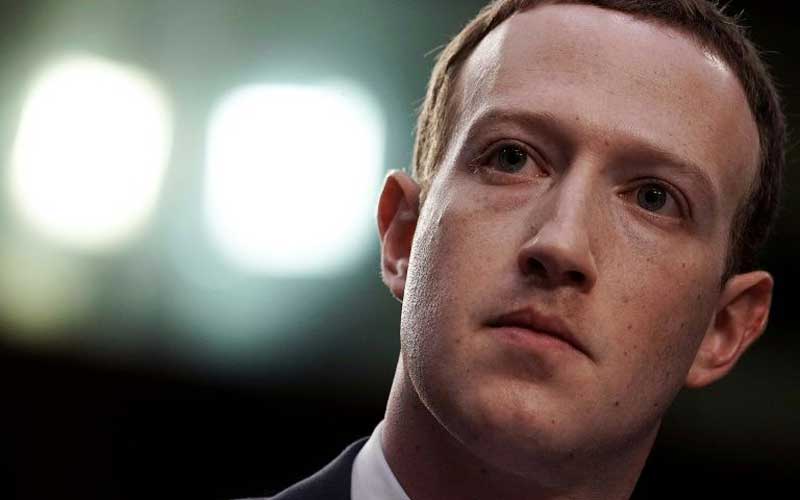
Facebook CEO Mark Zuckerberg announced initiatives aimed at removing inflammatory content but activists say they will continue to press for a boycott for more changes.
SEE ALSO: Facebook ad boycott campaign to go global, organizers say
The boycott gained momentum amid the latest civil unrest as activists have pressed Facebook to be more aggressive in curbing racism and inflammatory content, including from President Donald Trump. "We've entered a totally new era of digital activism," said Greg Sterling, a digital marketing analyst and contributing editor at Search Engine Land. "Non-profit groups are appealing to advertisers to police social media, given the general reluctance or refusal of the companies to do so themselves. Indeed, all social media will be compelled to re-examine and adjust or adopt new policies that don't permit hate and racism to proliferate." Michelle Amazeen, a Boston University professor of communication, said the latest action "suggests that social media need to take this issue seriously or it's going to affect their bottom line." Amazeen added that the movement highlights that "long overdue pressure is finally mounting on social media platforms to be accountable gatekeepers and stop promoting hate and violence for profit."SEE ALSO: Kenyan IT entrepreneur with passion of empowering brands
Tumbling value The wave of announcements last week sent Facebook shares tumbling, leading to a loss of some $50 billion in market value, with a partial bounceback on Monday. Facebook appeared to respond Friday by announcing it would ban a "wider category of hateful content" in ads. Chief executive Mark Zuckerberg said Facebook also would add tags to posts that are "newsworthy" but violate platform rules -- following the lead of Twitter, which has used such labels on tweets from Trump. Facebook has said it has invested heavily in efforts to stem racism in the wake of civil unrest triggered by the May 25 killing of African American George Floyd at the hands of Minneapolis police.SEE ALSO: Global advertising faces double-digit decline this year
7 million advertisers Despite the boycott, Facebook boasts some seven million advertisers on its network, with the vast majority small- and medium-sized businesses. Larry Chiagouris, a Pace University marketing professor, said most brand boycotts in recent years have fizzled out as initial enthusiasm fades. Chiagouris said Facebook worldwide is likely to remain attractive for advertisers with no signs of a major decline in its audience. The boycott "may lead to a softening of Facebook revenues a bit, but it will bounce back," he said.SEE ALSO: Donald Trump calls coronavirus 'kung flu' again as White House rejects racism complaints
"Rightly or wrongly, people are still in love with their Facebook accounts." Morningstar equity analyst Ali Mogharabi agreed that Facebook is likely to see only a minimal financial hit. "We anticipate that most of the advertisers will return to Facebook given its more than 2.6 billion users. In the meantime, Facebook can take steps to demonstrate it will reduce hate speech further on the platform; although more content oversight could bring more regulatory risks to the forefront." The boycott campaign, which has included the NAACP, Color of Change and the Anti-Defamation League, said it wants to keep the pressure on Facebook despite the changes announced last week "None of these initial steps will make a significant dent in the persistent hate and racism so prevalent on the largest social media platform on the planet," the coalition said in a statement Monday.SEE ALSO: Black Arab women tackle racist beauty ideals and stereotypes
The group is pressing for a top-level executive "with deep civil rights expertise" to monitor Facebook's policies for discrimination and bias and an independent audit of "hate and misinformation."Related reporting
More Business News →
High Court Blocks Oigara Bank Fraud Probe as Stanbic CEO Escapes Questioning

15 Proven Ways to Make Money Online in Kenya; No Scams!

High Court Halts Equity Bank's Takeover Bid on Swafi Foods in Landmark Ruling
