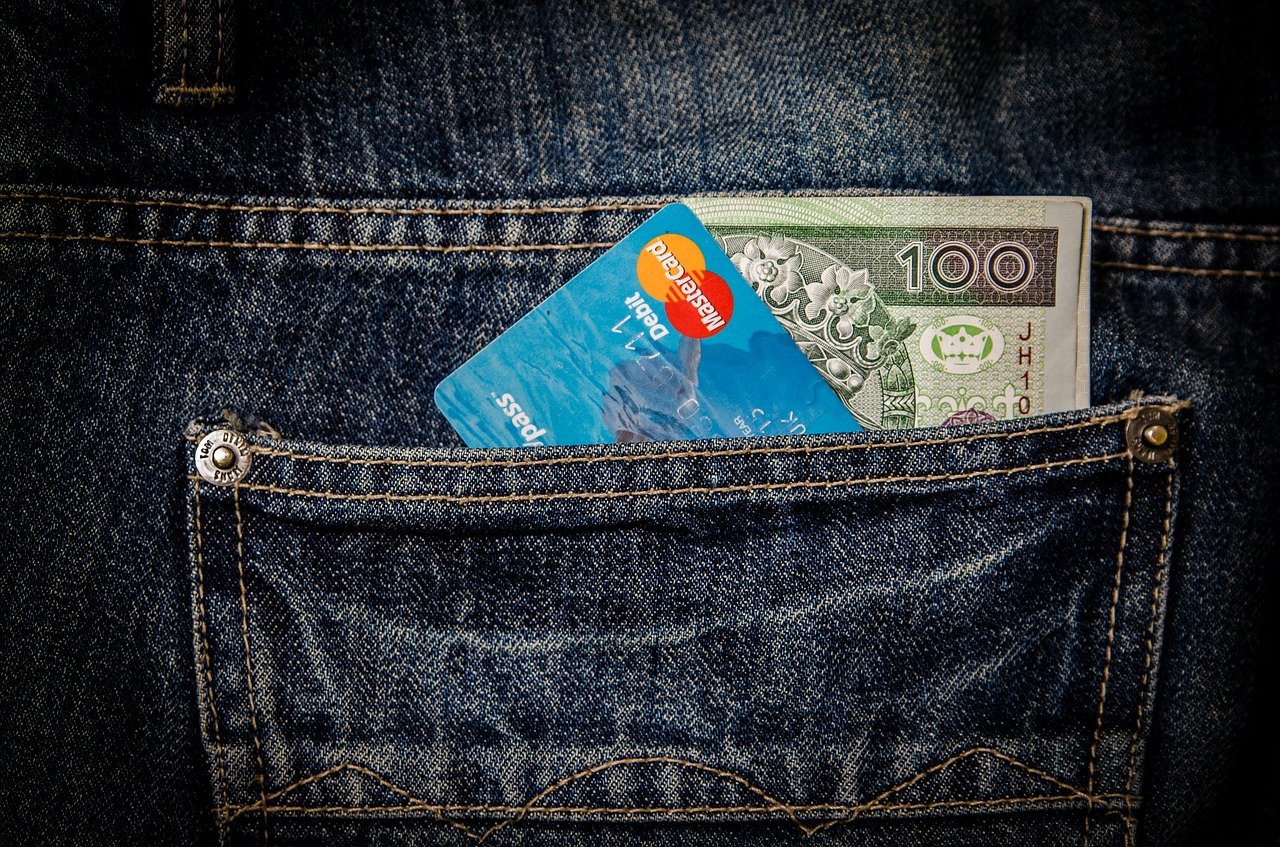
Over three-fourths of respondents (77%) agree they have tried a new payment method they would not have tried under normal circumstances, but the pandemic has galvanized people to try flexible new payment options to get what they want, when they want it. With this interest and consumer demand also comes a greater expectation for businesses to provide multiple ways to shop and pay. In fact, 88% of Kenyan consumers say they are more excited about shopping at retailers who offer the latest payment methods. Additionally, 81% Kenyan consumers say that digital payment methods help them save money.
“The world as we now know it has changed dramatically since the outbreak of the pandemic, accelerating long-term shifts in consumer transaction and payment methods. We continue to work with our merchants, fintechs and banking partners to rapidly innovate payment options that meet consumer needs while ensuring we drive financial and digital inclusion,” said Raghav Prasad, Division President, Mastercard, Sub-Saharan Africa.
Looking to the future, digital currencies and wallets, wearables, biometrics, contactless and QR codes are trending as emerging payments technologies as people’s comfort with them and understanding of them increases and the use of cash decreases. In fact, 96% of consumers in Kenya have more ways to pay compared to this time last year. The exploding interest in new payment technologies may encourage businesses to expand their options at checkout. The Mastercard New Payment Index found:
Cryptocurrency Gains Ground – Today consumers can buy, sell, and trade cryptocurrency as a commodity or investment. Consumers are also increasingly showing interest in being able to spend crypto assets for everyday purchases. As global interest in digital currencies continues to accelerate, 4 in 10 people (43%) in Kenya say they plan to use cryptocurrency in the next year, with more than two-thirds (69%) noting they are more open to using it than they were a year ago. While consumer interest in cryptocurrency – especially floating digital currencies such as Bitcoin – is high, work is still required to ensure consumer choice, protection, and their regulatory compliance. Earlier this year, Mastercard announced that it will start supporting select cryptocurrencies directly on its network.
Biometric Payments are More Trustworthy – Perceptions of safety and convenience have been front and center for people over the past year. 42% of Kenyan consumers say they plan to use biometric verification methods like gait or walk assessments and fingerprint authorization. In fact, nearly 7 out of 10 people (69%) feel safer using biometrics to verify a purchase than entering a pin.
QR Codes are Cleaner and More Convenient – Growing markets are leveraging QR-based options as a clean and convenient way to interact with merchants. Consumer desire for clean and convenient ways to pay will remain post-pandemic. 54% of people in Kenya expect to use more payment technologies like QR codes in the next year. Consumers also find that that QR codes are cleaner (85%) and more convenient (83%) for in-person payments and have a significant potential to reduce cost of payment acceptance and increase financial inclusion.
Digital Wallets Surge in Popularity – Kenya is seeing a surge in the popularity of digital wallets. 77% of Kenyan consumers said they were likely to use digital wallets next year. 67% of shoppers even say that they feel safer storing their card information in one place such as a digital wallet.
To Meet People’s Demands, Businesses Forced to Jump into Emerging Payment Trends
With consumer interest around new payment technologies, the expectation for businesses to adapt for the long-term is here to stay. Over eight in ten Kenyan consumers (87%) say that they would shop at small businesses, if they offered more payment options, and 88% noted being more excited to shop at retailers that can offer the latest payment methods, and an equal proportion (88%) said they would be more loyal to retailers who offered multiple payment options.
This behavior shift is reinforced by the desire for consumer choice – with 93% saying that they expect to make purchases when they want and how they want. The businesses that can provide multiple ways to shop and pay are best positioned to meet these expectations. As the demand for emerging payments and choice continues, it requires a wider range of payment solutions, insights, and products to meet the accelerating enthusiasm for the future state of pay.
Related reporting
More Business News →
15 Proven Ways to Make Money Online in Kenya; No Scams!

High Court Halts Equity Bank's Takeover Bid on Swafi Foods in Landmark Ruling
