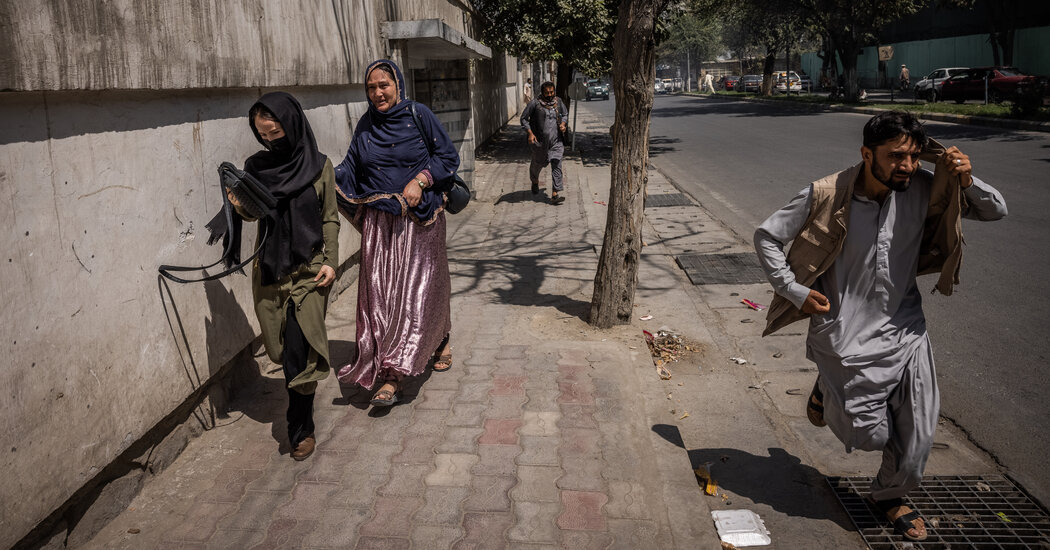
At a news conference in Doha, Qatar, on Tuesday, Secretary of State Antony J. Blinken said U.S. officials were “working around the clock” to ensure that charter flights carrying Americans can depart Afghanistan safely.
Mr. Blinken, who appeared alongside Secretary of Defense Lloyd Austin and their Qatari counterparts, said that Taliban leaders had recently reaffirmed their commitment to allowing American citizens and others with valid travel documents to leave the country freely.
But the Taliban have raised objections to charter flights that combine people with and without valid travel documents, Mr. Blinken said.
He added that he was unaware of any “hostage-like” situation at the airport in Mazar-e-Sharif, where some advocacy groups and members of Congress say the Taliban is blocking the departure of charter flights. Mr. Blinken added that he believes around 100 American citizens remain in Afghanistan, including “a relatively small number” seeking to leave Mazar-e-Sharif.
For the vast majority of Afghans, there is no escape. Only uncertainty.
But the fact that women have been prominent participants in many of the recent protests has underscored their willingness to stand up for their rights even in the face of rifle butts, tear gas and retribution.
During the two decades before the Taliban retook power, women were active in Afghanistan and, among other things, held political offices, joined the military and police forces, played in orchestras and competed in the Olympics.
Many Afghan women, who have benefited from education and the right to freedom of expression over the past twenty years, fear a return to the past when women were forbidden from leaving the home without a male guardian, and faced public flogging if they breached morality rules by, for example, not covering their skin.
Related reporting
More World News →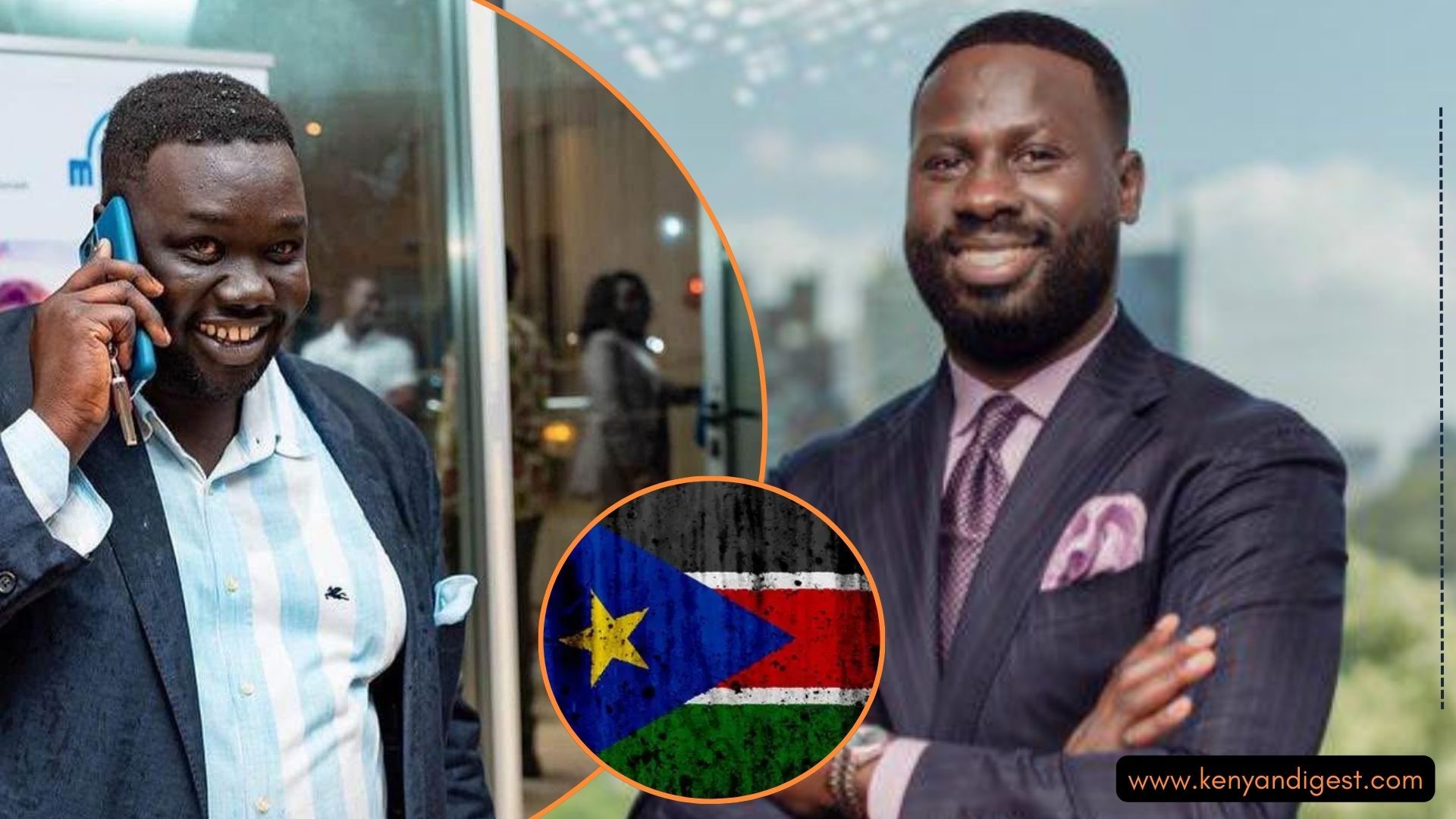
South Sudan’s Oil Looters: How Young Elite Gatekeepers Plunder Nation While Citizens Starve
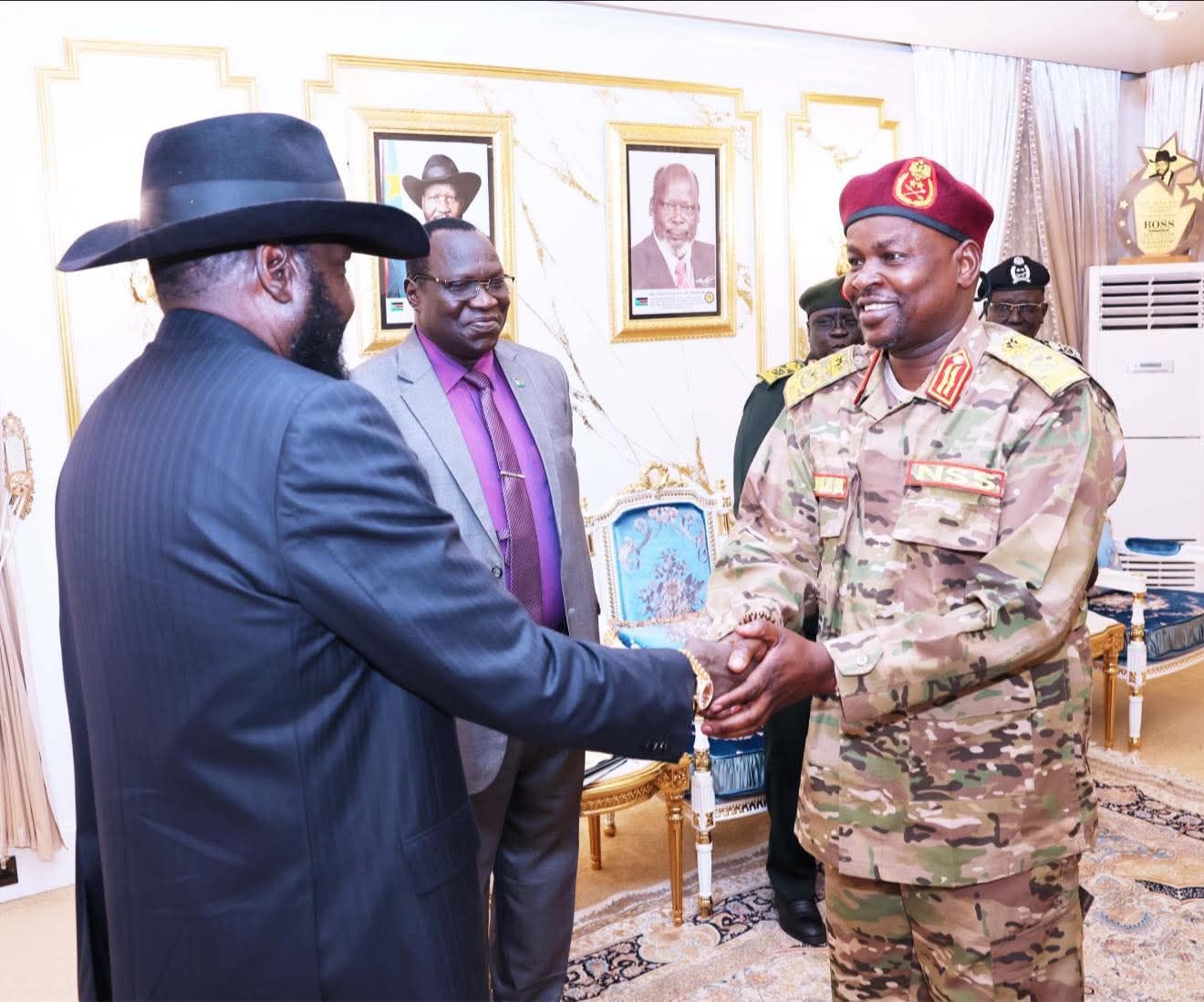
General to Private: Kiir Crushes Economic Vice President in South Sudan's $1.7 Billion Corruption Purge
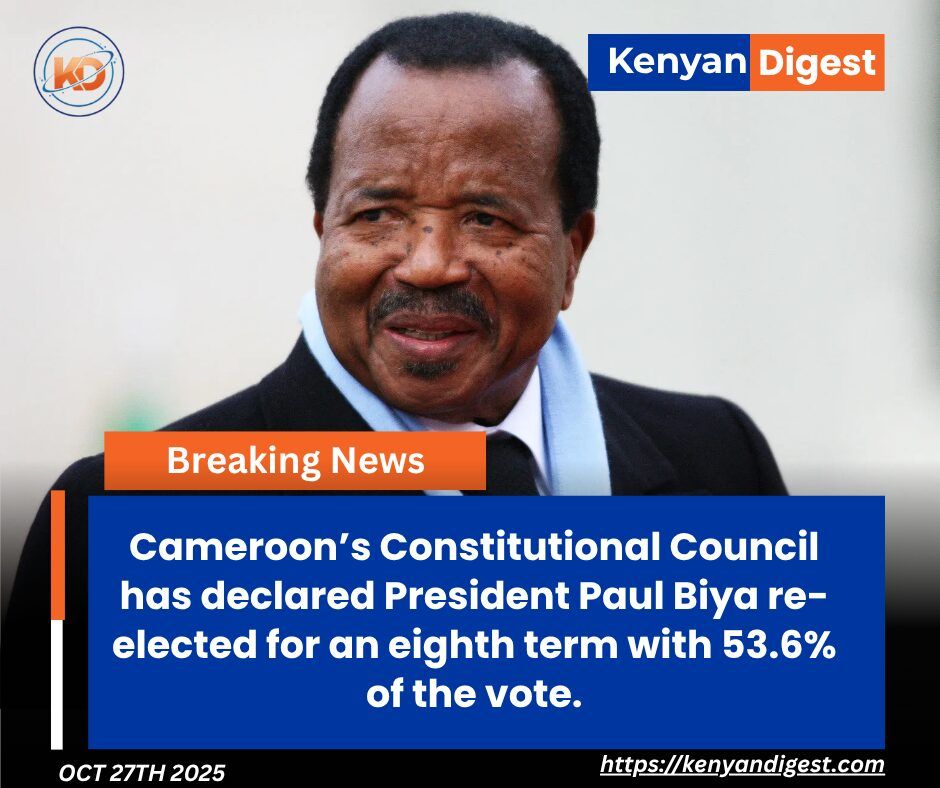
Paul Biya’s Re-Election: What Cameroon’s Political Longevity Reveals About Leadership and Governance in Africa