SEE ALSO :Uhuru's tax gamble that enraged Kenyans
It is also worth noting that average life expectancy across Africa has followed a similar graph, rising from 41 years in 1963 to 61 years in 2016 and that Kenya’s average life expectancy is currently five years below the global average of 72 years. “Our port is the busiest in the region and the fastest improving.” This is correct. Of the East African Community member States, only Kenya and Tanzania have direct access to the sea and serve land-locked neighbours of Burundi, Uganda, Rwanda, Democratic Republic of Congo and South Sudan. Kenya’s port of Mombasa is the larger and most developed of the two processing 24 million tones of dead weight cargo as at June 2017 against the port of Dar es Salaam that recorded 13.7 million tones over the same period of time according to annual reports from the respective port authorities. At the same time, the port of Mombasa has recorded a 31 per cent increase in absolute cargo throughput over the past five years while the port of Dar es Salaam has marked a marginal 4.2 per cent increase over the same period of time.SEE ALSO :Uhuru calls for youth empowerment at UN meet
“…The private sector, which employs 90 per cent of our working population, must actively seek to become more regionally and globally competitive. This is incorrect. Kenya’s statistics office segments Kenya’s working population into three main categories: wage employees, covering the private and public sector, self-employed and unpaid family workers and informal sector employees. The latest statistics indicate that the majority of working Kenyans earn a living from the informal sector that recorded 14 million workers last year. Wage employees in the private sector stood at 1.8 million with another 790,000 in the public sector. The private sector thus accounts for just 10.7 per cent of Kenya’s total working population and not 90 per cent as claimed by the president.Related Topics
Fact checkPresident Uhuru KenyattaJamhuri DayUhuru Kenyatta SpeechRelated reporting
More General News →
Kenya Nurses' Strike Enters Fourth Week as Talks With Counties Show Progress
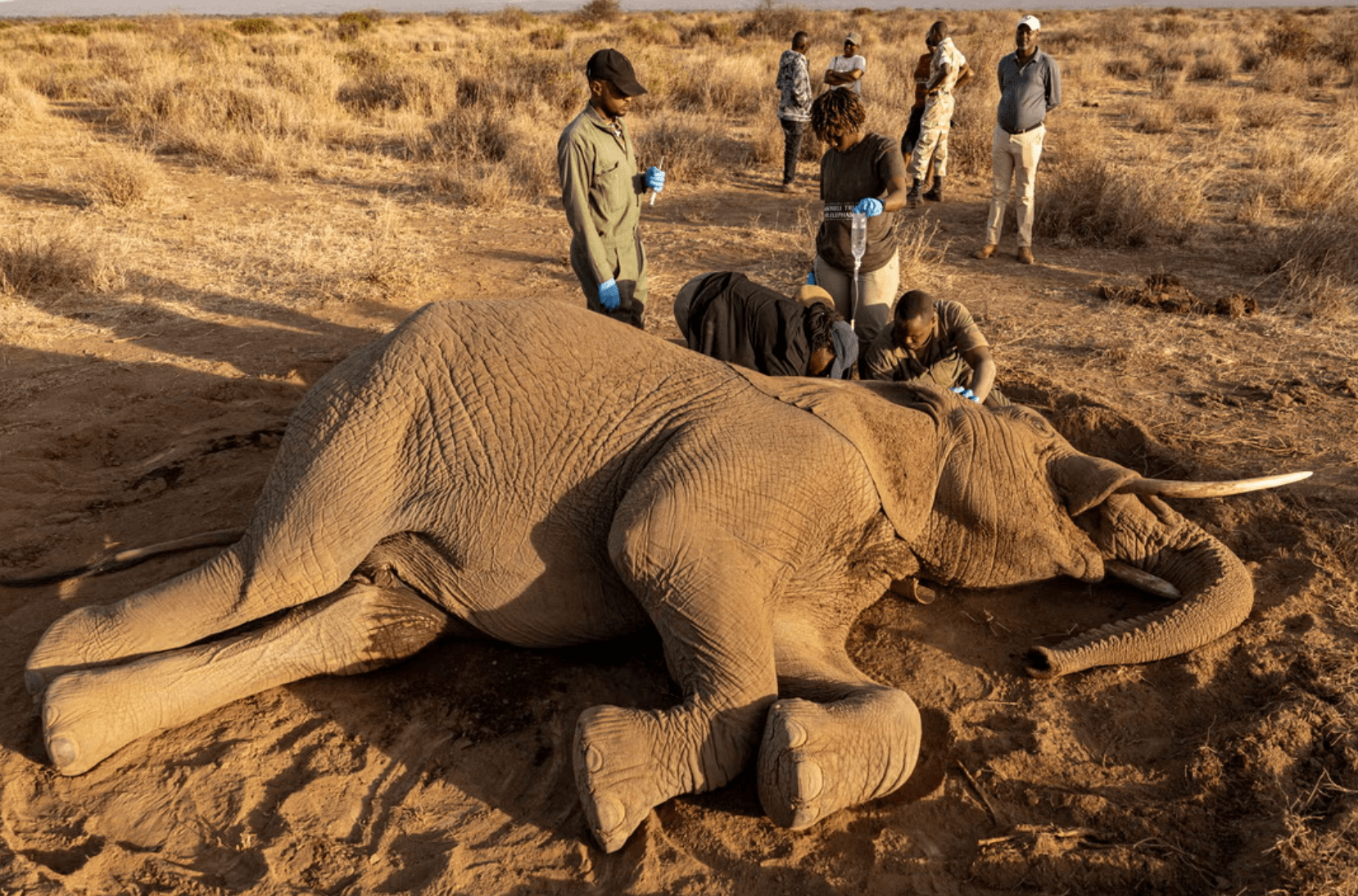
18 Elephants Die in Amboseli as Four Suspects are arrested

Dolly Parton Dies at 80: A Look Back at the Life and Legacy of a Global Icon