Opinion
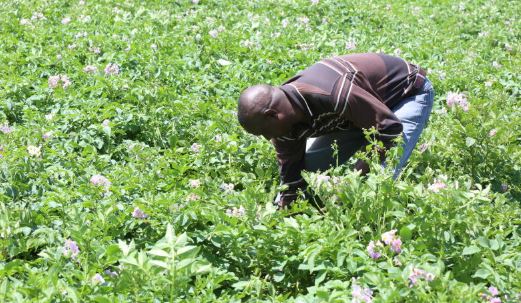
Farmers usually recycle their seeds, which they plant with little or no fertiliser, resulting in ever-reducing yields.
SEE ALSO: Farmers: The forgotten Covid-19 casualties
Value for money Indeed, these farmers usually recycle their seeds, which they plant with little or no fertiliser, resulting in ever-reducing yields. Analysts have long argued that the only way to break the cycle of low yields and poverty in the rural areas is for the government to subsidise farming inputs such as quality seeds, fertilisers and pesticides. This explains why these analysts find it unconscionable for the Finance CS to even consider the cost of these inputs at a time when he is busy attempting to keep the country’s economy from falling even further. Regrettably, agriculture, despite being widely acknowledged as the backbone of the Kenyan economy, is unlikely to get any of the money it needs to undertake the restructuring it requires to ensure the country and its citizens get value for money.SEE ALSO: Brands that Covid-19 ate
The distribution of the few subsidised inputs available, for example, needs to be completely restructured to ensure that only the most deserving farmers get them. Such an exercise would seek to eliminate incidents where the rich large-scale farmers get subsidised inputs such as fertilisers at the expense of their poorer counterparts. The exercise would also seek to stamp out the myriad brokers who connive with ministry officials to get hold of the fertilizers which they repackage and sell at exorbitant prices. The government may also need to open soil testing centres in all the counties to determine the type and quantity of fertilisers required by the different kinds of soils found in each region. The number of agricultural extension officials would also need to be increased to cover each region. [Mbatau wa Ngai, ]SEE ALSO: Mystery as Kawasaki-like illness linked to coronavirus now affecting people in 20s
Related reporting
More Business News →
High Court Blocks Oigara Bank Fraud Probe as Stanbic CEO Escapes Questioning

15 Proven Ways to Make Money Online in Kenya; No Scams!

High Court Halts Equity Bank's Takeover Bid on Swafi Foods in Landmark Ruling
