SEE ALSO :KCSE Candidates arrested as crackdown intensifies
Taita Taveta, Kwale, Nyandarua, Kirinyaga, Murang’a, Kiambu, Machakos, Kitui, Meru, Makueni, Tharaka Nithi, Uasin Gishu, Nandi, Laikipia, Elgeyo Marakwet, Kakamega, Vihiga and Kisumu recorded a higher number of female candidates compared to male. Maintaining the pace Girls performed better in languages (English and Kiswahili), CRE, Home Science, Art and Design and metal work. Otieno Irine Juliet from Pangani Girls emerged the overall top candidate by getting 87.6 mean score, maintaining the pace set by her former schoolmate Naomi Karimi Kawira who topped the 2017 KSCE. However, counties in the Northern frontiers registered a low number of females with counties like Mandera, Wajir and Garissa having males doubling the number of females doing the exam.SEE ALSO :KCSE candidate hospitalised after fight with lover
Kiambu County recorded the most remarkable increase in the number of female candidates compared to last year. They had 15,856 females this year compared to 14,070 last year. Vihiga and Meru came second and third as counties with improved number of female students who sat KCSE. Highest decline Homa Bay recorded the highest decline of females who registered for KCPE, with the number falling by 1,564 students. Last year, they had 10,268 but this year, it fell to 8,704. Garissa, Mandera and Migori also showed a steep decline of females who sat for exams. Generally, schools in North Eastern and Nyanza; apart from Kisumu, seemed to have lower numbers of females. Even though the top student was female, the top 20 national positions were dominated by males, with only six girls featuring among the top 20s. Among the most improved top five candidates whose KCSE results were compared to KCPE, girls were knocked off, and none got a mention.SEE ALSO :Expedite exams cheating cases, AG tells Maraga
Related Topics
Gender parityKCSEKCSE ResultsTop PerformersKCSE 2018Related reporting
More General News →
Kenya Nurses' Strike Enters Fourth Week as Talks With Counties Show Progress
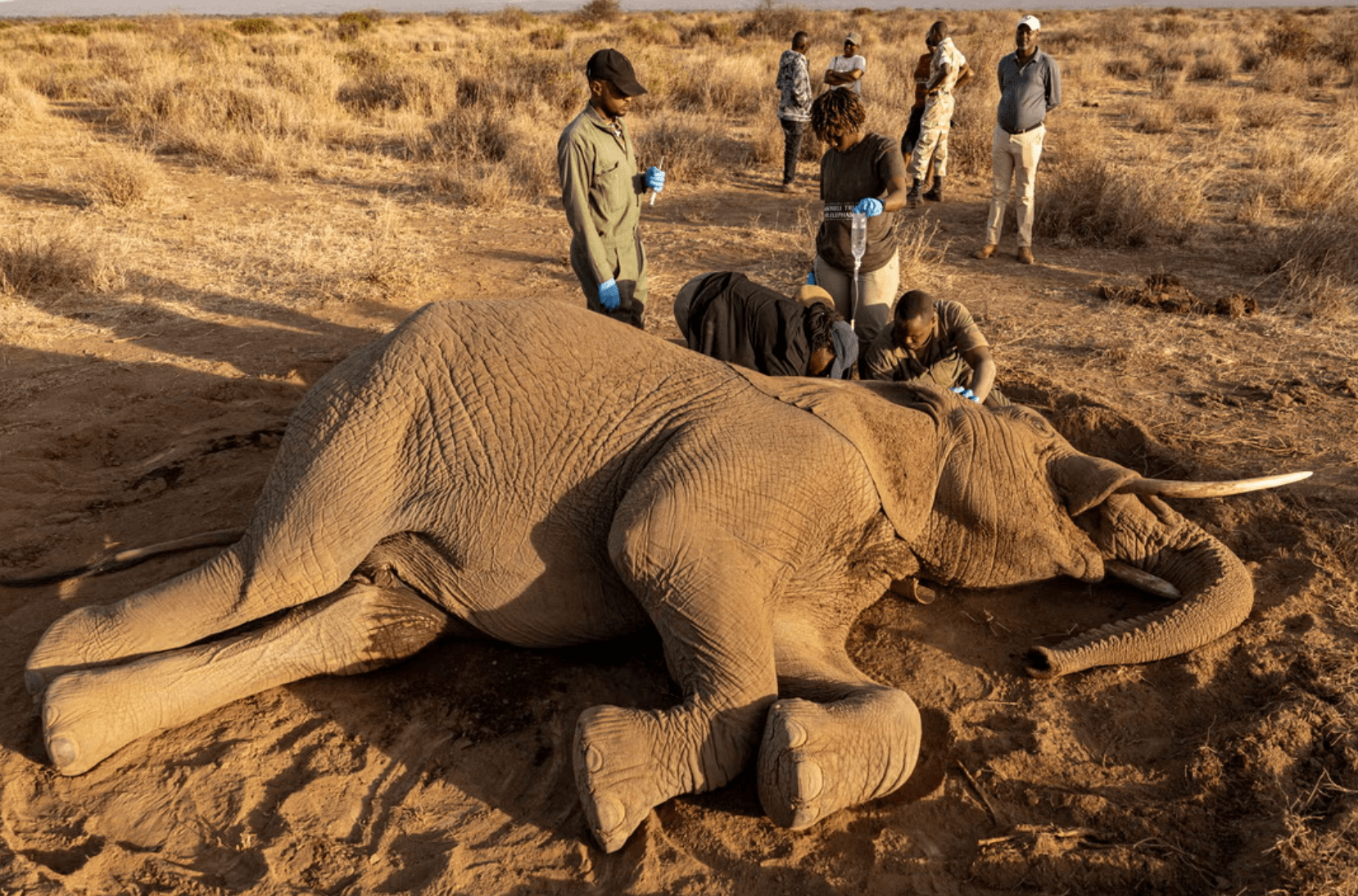
18 Elephants Die in Amboseli as Four Suspects are arrested

Dolly Parton Dies at 80: A Look Back at the Life and Legacy of a Global Icon