
The High Court in Nairobi dismissed a constitutional petition filed by lawyer Joseph Kimani Wachira on October 7, 2026, removing interim orders that had shielded him from arrest and allowing the Ethics and Anti-Corruption Commission (EACC) to continue its investigation into alleged KSh10 million bribery involving former Cabinet Secretary Raphael Tuju.
Wachira had asked the court to stop the EACC investigation and any prospective prosecution, claiming the operation was an unlawful entrapment and that his constitutional rights to privacy, dignity and a fair hearing had been breached, and he also sought compensation for alleged violations.
Justice Joseph Kipkoech Biomdo ruled that Wachira had failed to establish sufficient grounds to halt the probe, finding no evidence that the EACC induced the alleged offence or arranged the meeting, and noting that the commission’s role was limited to facilitating evidence collection after receiving Tuju’s complaint.
The judge held that the seizure of Wachira’s mobile phones was lawful under a court warrant issued in Miscellaneous Criminal Application No. E339 of 2026, and that assessing the fairness of any future trial was premature because no formal charges had yet been preferred.
The petition was dismissed in its entirety, all interim orders were vacated and Wachira was ordered to pay the costs of the proceedings, while the bribery allegations remain subject to ongoing investigation.
The investigation stems from a complaint lodged by Tuju on March 9, 2026, alleging that Wachira, businessman Okiri Thomas Awili and the late former High Court judge Joseph Mutava solicited KSh10 million to influence a sitting High Court judge in a commercial dispute between Dari Ltd and Tuju against Garam Investment Auctioneers, case number HCCOMM/E636/2024.
According to the EACC, the three men met Tuju at Entim Sidai Wellness Sanctuary in Karen, where investigators recovered KSh1 million in treated cash and recorded the conversation, asserting that the money was intended for the judge to secure a favourable ruling.
Wachira denied any solicitation, maintained that Tuju produced the cash without request, alleged that the operation was a pre-arranged entrapment, and complained that recordings of his arrest were unlawfully leaked, violating his constitutional rights.
Justice Biomdo cautioned that courts should generally avoid interfering with investigations unless clear evidence of illegality, malice, abuse of process or a constitutional breach is shown, concluding that the EACC had acted within its legal mandate.
Related reporting
More General News →
Ministry of Youth Affairs Suspends 2026 National Youth Council Elections After High Court Order

EACC Recovers KSh51 Million KCAA Land in Nyali After 17-Year Legal Battle
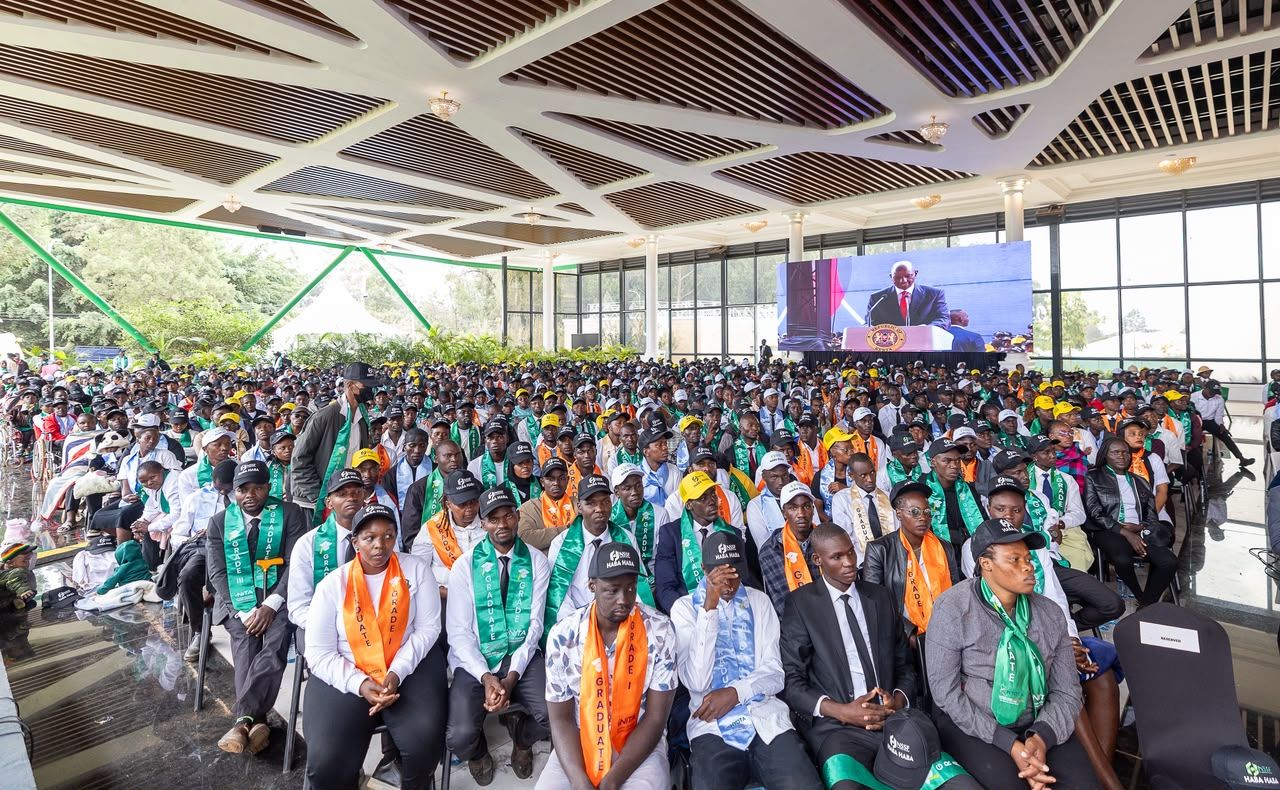
President William Ruto Presides Over First RPL Graduation, Launches Fundi Locator App