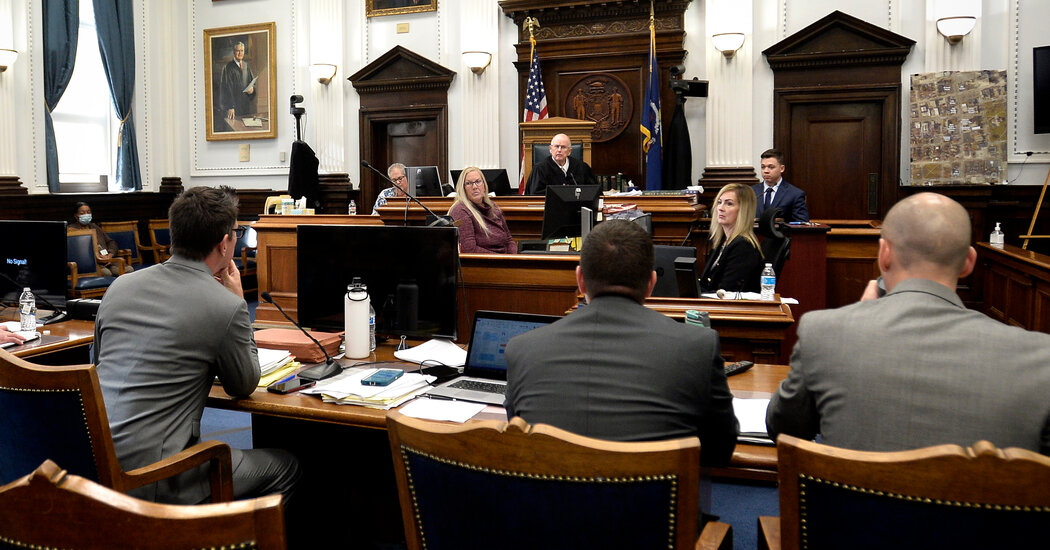
KENOSHA, Wis. — A judge dismissed a misdemeanor weapons charge against Kyle Rittenhouse on Monday, hours before jurors were expected to begin deliberating five other counts against him. The weapons charge was the least-serious count he faced.
Mr. Rittenhouse, who was 17 when he shot three men in 2020 in Kenosha, Wis., had been charged with illegally possessing a dangerous weapon. Wisconsin is an “open-carry” state where it is legal for adults to carry firearms openly, but state law prohibits minors from possessing firearms except in limited circumstances.
On Monday, Judge Bruce Schroeder sided with Mr. Rittenhouse’s defense team over a technical issue, saying that the language of the state law does not actually ban a 17-year-old from carrying a rifle with a long barrel, as prosecutors had contended.
Closing arguments are scheduled to begin soon, after which the jury will begin to deliberate.
The facts are not in dispute in the trial, which centers on whether Mr. Rittenhouse was reasonable in his belief that shooting the three men was necessary to save himself from death or serious injury. The prosecution has tried to persuade jurors that Mr. Rittenhouse was an armed interloper who instigated the shootings by his very presence among protesters.
Each side will be given two and a half hours to make a closing argument and a rebuttal. For nearly two weeks, jurors heard witnesses, including Mr. Rittenhouse, testify about what happened on Aug. 25, 2020.
That night, Mr. Rittenhouse traveled to downtown Kenosha, which had been swept up in protests that included looting and arson after a white police officer, Rusten Sheskey, shot Jacob Blake, a Black resident. (Prosecutors declined to bring charges against Officer Sheskey.) Mr. Rittenhouse has said he went to protect property and provide medical treatment, but things quickly got violent after someone near him fired a gun.
Within a few chaotic minutes, Mr. Rittenhouse had killed two men, Joseph Rosenbaum and Anthony Huber, and wounded a third, Gaige Grosskreutz.
Understand the Trial of Kyle Rittenhouse
Kyle Rittenhouse, 18, is on trial for the killing of two people protesting the police shooting of a Black man in Kenosha, Wis. Here’s what to know:
On Monday, the prosecution and the defense will get a final chance to convince jurors whether his actions were legally justified.
The prosecution has argued that Mr. Rittenhouse created the danger by patrolling a volatile protest while armed with a military-style semiautomatic rifle. Driving 30 minutes from his home in Antioch, Ill., prosecutors have said, shows that he was intent on committing violence.
“Hundreds of people were out in the street experiencing chaos and violence,” Thomas Binger, a district attorney, said in his opening statement. “And the only person who killed anyone was the defendant, Kyle Rittenhouse.”
The Criminal Charges Against Kyle Rittenhouse
Card 1 of 5
Count 1: First-degree reckless homicide. Kyle Rittenhouse is accused of this crime in connection with the fatal shooting of Joseph D. Rosenbaum. Under Wisconsin law, the crime is defined as recklessly causing death under circumstances that show utter disregard for human life.
Counts 2 and 5: First-degree recklessly endangering safety. Mr. Rittenhouse is charged with recklessly endangering two people who, according to the criminal complaint, had shots fired toward them but were not hit: Richard McGinnis and an unknown male seen in video of the episode.
Count 3: First-degree intentional homicide. Mr. Rittenhouse faces this charge in connection with the fatal shooting of Anthony M. Huber. The crime, analogous to first-degree murder in other states, is defined as causing the death of another human being with intent to kill that person or someone else.
Count 4: Attempted first-degree intentional homicide. Mr. Rittenhouse faces this charge in connection with the shooting of Gaige P. Grosskreutz, who was struck and wounded.
Count 6: Possession of a dangerous weapon by a person under 18. The judge dismissed this charge prior to closing arguments, agreeing with a defense argument that Mr. Rittenhouse wasn’t technically prohibited under a strict reading of Wisconsin state law from carrying the particular type of weapon he used, even though he was 17 at the time of the shootings.
Witnesses called by the prosecution offered testimony that was favorable to the prosecution's case in some moments and to the defense’s in others. One witness said he thought his life was in danger and emotionally described trying to save Mr. Rosenbaum’s life, but he also described seeing Mr. Rosenbaum chase Mr. Rittenhouse.
Mr. Rittenhouse has been charged with five criminal counts, including first-degree reckless homicide, first-degree intentional homicide and attempted first-degree intentional homicide.
The defense has claimed that the shootings were in self-defense: Mr. Rosenbaum had reached for Mr. Rittenhouse’s gun, according to one witness, and was captured on video pursuing him. Mr. Huber hit Mr. Rittenhouse with a skateboard. “This wasn’t him taking potshots at looters,” Corey Chirafisi, a lawyer for Mr. Rittenhouse, said in a court hearing.
On the witness stand on Wednesday, Mr. Rittenhouse sobbed and gulped for air while he described his fear that night. “I didn’t do anything wrong,” he said, explaining why he had fired his gun eight times. “I defended myself.”
The 12-person jury is expected to begin its deliberations following Monday’s closing statements.
Related reporting
More World News →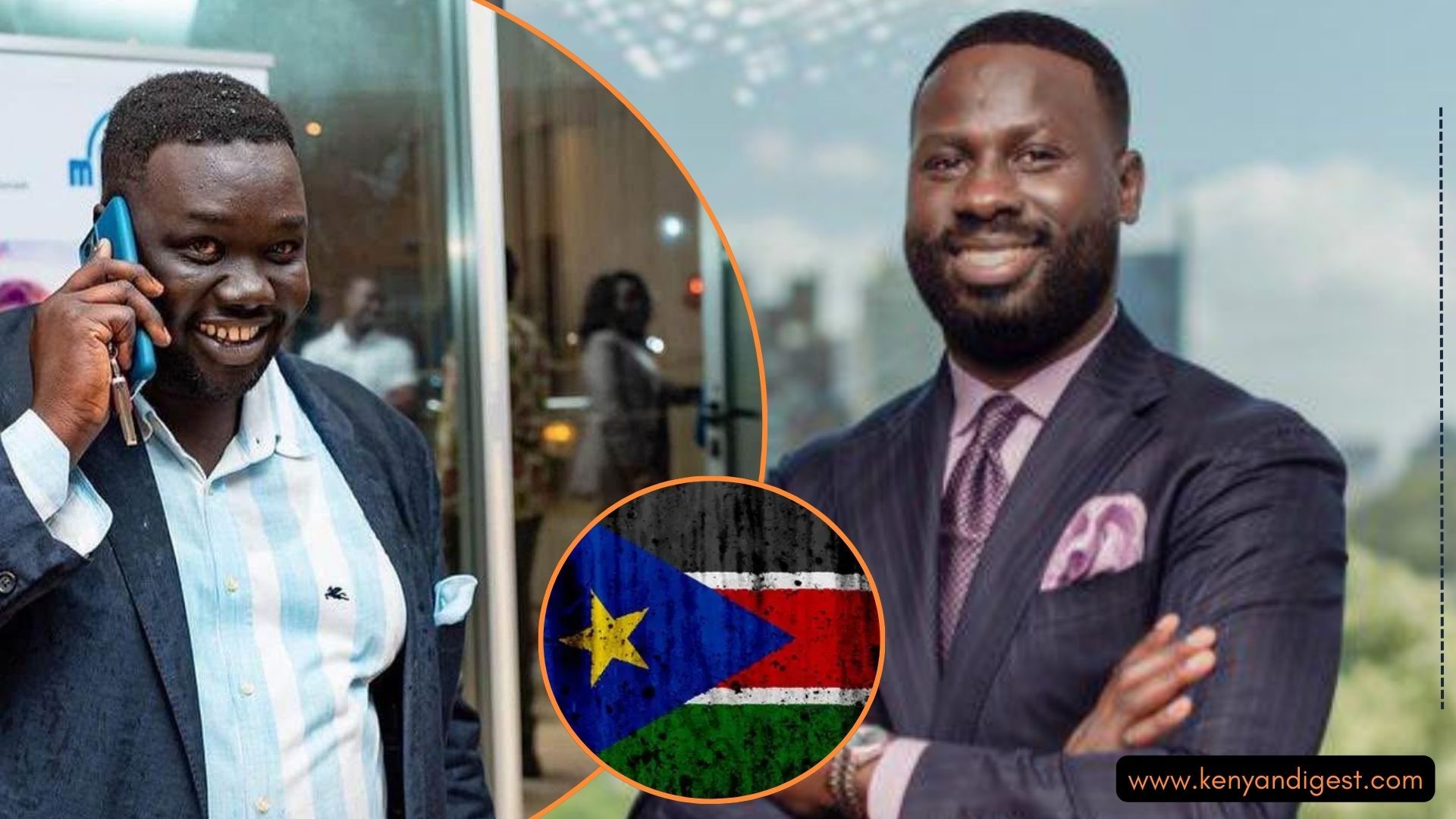
South Sudan’s Oil Looters: How Young Elite Gatekeepers Plunder Nation While Citizens Starve
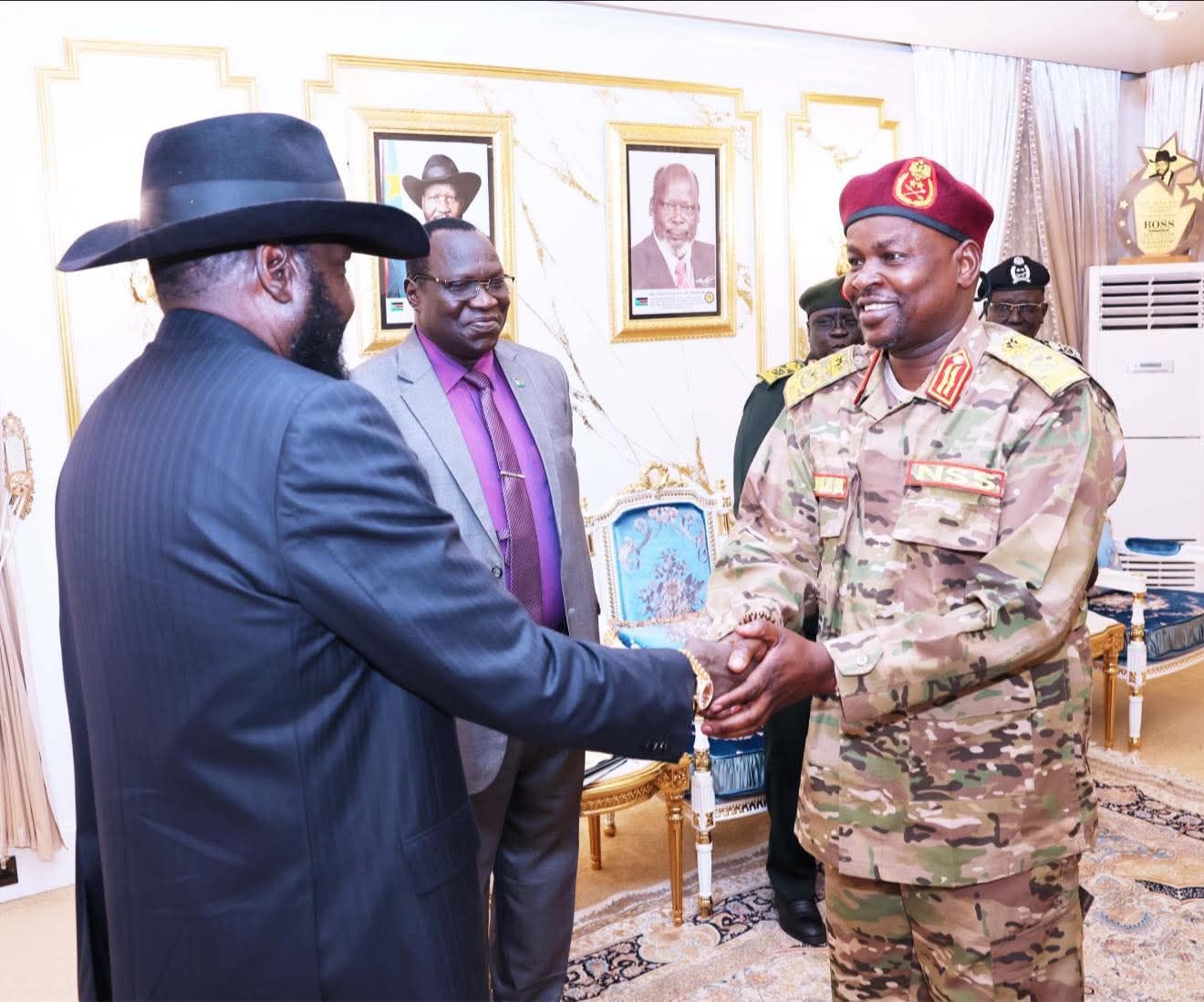
General to Private: Kiir Crushes Economic Vice President in South Sudan's $1.7 Billion Corruption Purge
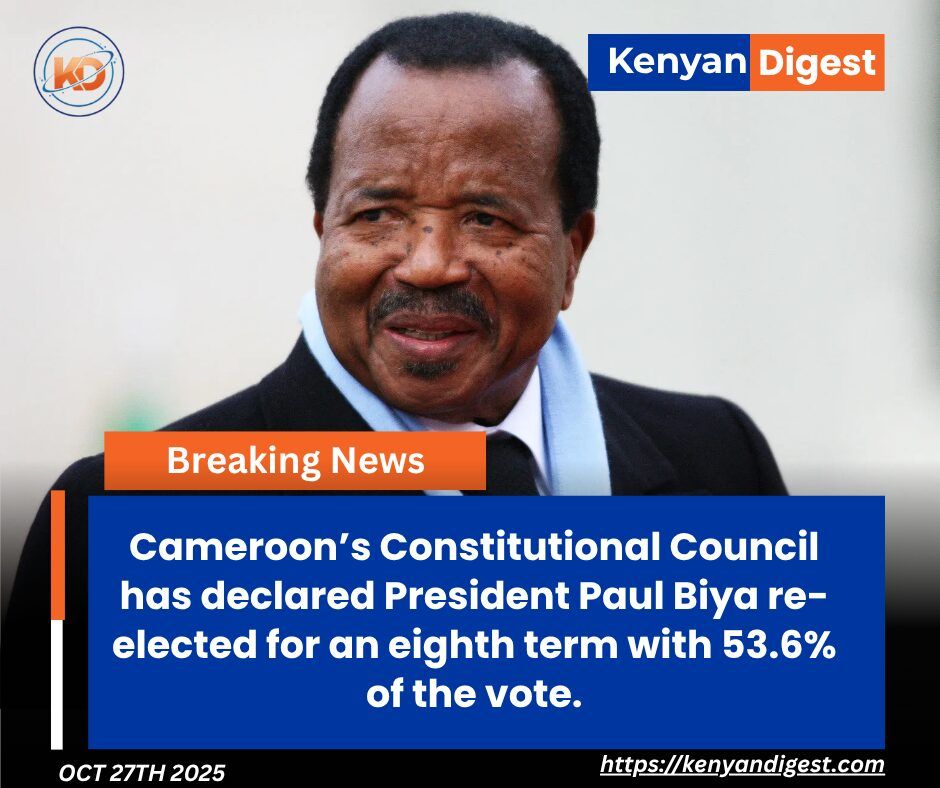
Paul Biya’s Re-Election: What Cameroon’s Political Longevity Reveals About Leadership and Governance in Africa