SEE ALSO: US, China trade wars will hurt consumers
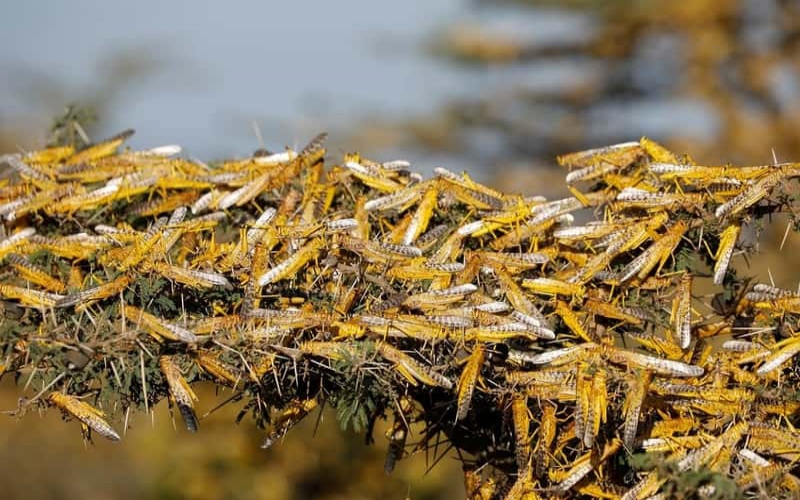
“Within some time, all the trees are just naked. Even they go inside the farms, they strip the farms, so it is a very big impact on the food security.” Achilo is one of a team of locust scouts trained by local aid group ACTED, with the help of the United Nations Food and Agriculture Organization (FAO) and Turkana County regional government, to spot and report sightings using a new application, E-Locust. The information he and the others collect is sent in real-time to a database in Lodwar, Turkana’s main town, which is then used by another team deployed to spray the insects with pesticides to prevent swarm formation. Locust numbers, the worst in three generations, surged in East Africa and the Red Sea region in late 2019 and early this year, encouraged by unseasonably wet weather and dispersed by a record number of cyclones. The pests could cost East Africa and Yemen Sh 906 billion($8.5 billion) this year, the World Bank has said.SEE ALSO: Technology will keep universities afloat in spite of coronavirus
Swarms can fly up to 150 km (93 miles) a day with the wind, and a single square kilometre swarm can eat as much food in a day as 35,000 people. Desert locusts feed on nearly all green vegetation and crops, including leaves, flowers, bark, fruit, millet and rice. In a bulletin from July 3, the FAO said it expected swarm formation in Kenya to continue until mid-July. It said that in June, control operations treated around 30,830 hectares against locusts, around 8,500 hectares by air.Related reporting
More Business News →
High Court Blocks Oigara Bank Fraud Probe as Stanbic CEO Escapes Questioning

15 Proven Ways to Make Money Online in Kenya; No Scams!

High Court Halts Equity Bank's Takeover Bid on Swafi Foods in Landmark Ruling
