SEE ALSO: Business as usual attitude not good for vibrant sector
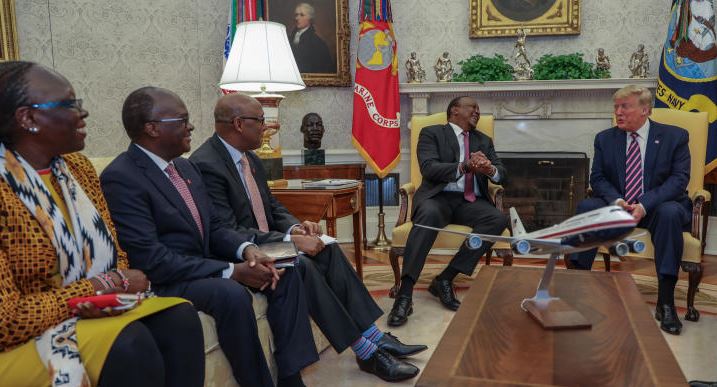
“The actions of the second respondent (Mfumukeko) violate Article 72(3) of the protocol on establishment of the East African Community Common Market for failing to ensure the council puts in place a mechanism for the coordination of trade relations with third parties,” the suit reads. In February, Kenya and the US announced they were pursuing an FTA that would be used as a model for similar deals between America and other African countries. According to the Ministry of Industrialisation and Trade, the Kenya-US FTA replaces the Africa Growth and Opportunities Act (Agoa), which is set to expire in 2025. Agoa was signed by US President Bill Clinton as a 15-year trade pact allowing exporters from Africa and several other developing countries duty-free access to the US market. President Barack Obama extended it to 2025 during his visit to Kenya in 2015.SEE ALSO: Scientists forecast high virus fatalities in counties
In the proposed objectives that guided the negotiations, Kenya said the new deal is compatible with the World Trade Organisation framework. “Any EAC partner states that did not participate in these negotiations at the outset should be allowed to join, subject to terms and conditions already agreed or accede to the concluded free trade agreement,” states the document. In the deal which is now being challenged before the court, Kenya agreed to lift its decade-long sanction against US wheat. Kenya had for 12 years blocked importation of the cereal from three states due to a wheat disease known as flag smut. Worsened relations The lawyers want the court to annul the deal and, in particular, prohibit the US from exporting its wheat and grains to Kenya.SEE ALSO: Take calculated risk and let candidates back into class
“The first respondent (AG) failed and neglected to engage the EAC secretary-general and the council on trade relations and failed to promote the participation of other EAC community partner states in the FTA agreement with USA,” they argue. Kenya’s move to enter a bilateral trade pact with the US and the effects of the global coronavirus pandemic on the region have worsened the decline of trade and diplomatic lethargy within the EAC. Experts now fear that the EAC, one of the world’s most progressive economic blocs, is headed for disintegration. The two governments argue that the trade deal is crucial for the two countries and will benefit the region. “Under President Trump’s leadership, we look forward to negotiating and concluding a comprehensive, high-standard agreement with Kenya that can serve as a model for additional agreements across Africa,” said US Trade Representative Ambassador Robert Lighthizer in a joint statement last Tuesday. “We believe this agreement with Kenya will complement Africa’s regional integration efforts, including in the EAC and the landmark African Continental Free Trade Area (AfCFTA), and the United States pledges its continued support to help the AfCFTA achieve its fullest potential.” Trade Cabinet Secretary Betty Maina said a predictable free trade agreement would increase Kenya’s exports to the US and bring new foreign direct investment to the country. “Kenya and the United States have strong trade relations demonstrated by growing exports and imports which have increased over the years,” said Ms Maina in the statement. Data from the Kenya National Bureau of Statistics indicates Kenya’s exports to the EAC stood at Sh140 billion last year against imports of Sh66.4 billion. Exports to the rest of Africa stood at Sh224 billion against imports of Sh168 billion. This indicates Kenya enjoys more favourable trade within Africa than with the US.Related reporting
More Business News →
15 Proven Ways to Make Money Online in Kenya; No Scams!
High Court Halts Equity Bank's Takeover Bid on Swafi Foods in Landmark Ruling
