Gatundu South MP Moses Kuria now wants SMEs and unsecured individual borrowers allowed by law to negotiate risk-based interest rates above the normal cap.
In a proposal to the speaker of the National Assembly Justin Muturi, the legislator says the risk negotiation window should be up to six per cent above the lending cap for SMEs.
“Unsecured individual customers should negotiate pricing based on their risk profile and on a willing buyer, willing seller basis,” Kuria says.
More to this, the legislator wants an amendment of the law to maintain the lending cap at four per cent above the CBR rates.
Kuria's proposal comes about two years after the Kiambu MP Jude Njomo introduced an amendment to the Banking Act to inject a new wave of capital through affordable loans.
However, the law, according to Moses Kuria has lend to unintended consequences.
"First, the bank has withdrawn lending to SMEs and individual borrowers because the cap has removed the leg room for pricing risk," Kuria says.
He also warns that the economy is likely to fall into recession if nothing is done about the law since credit in the private sector is growing at only four per cent slower than the GDP and inflation.
The rate cap as it exists further puts interest rates at the same level as government papers and treasury bonds.
This has seen banks invest more in the risk-free papers and bonds and leaving out SMEs and individual borrower leading to a ballooning domestic debt.
The lenders argue that they can not accommodate riskier borrowers within the set maximum interest rates, currently standing at 13.5 per cent.
In his 2018-19 budget speech, Treasury CS Henry Rotich proposed moved to repeal the interest rate controls.
"In order to enhance access to credit and minimize the adverse impact of the interest rate capping on credit growth while strengthening financial access and monetary policy effectiveness, I propose to amend the Banking (Amendment) Act, 2016 by repealing section 33B of the said Act,” Rotich said in his budget speech.
Related reporting
More General News →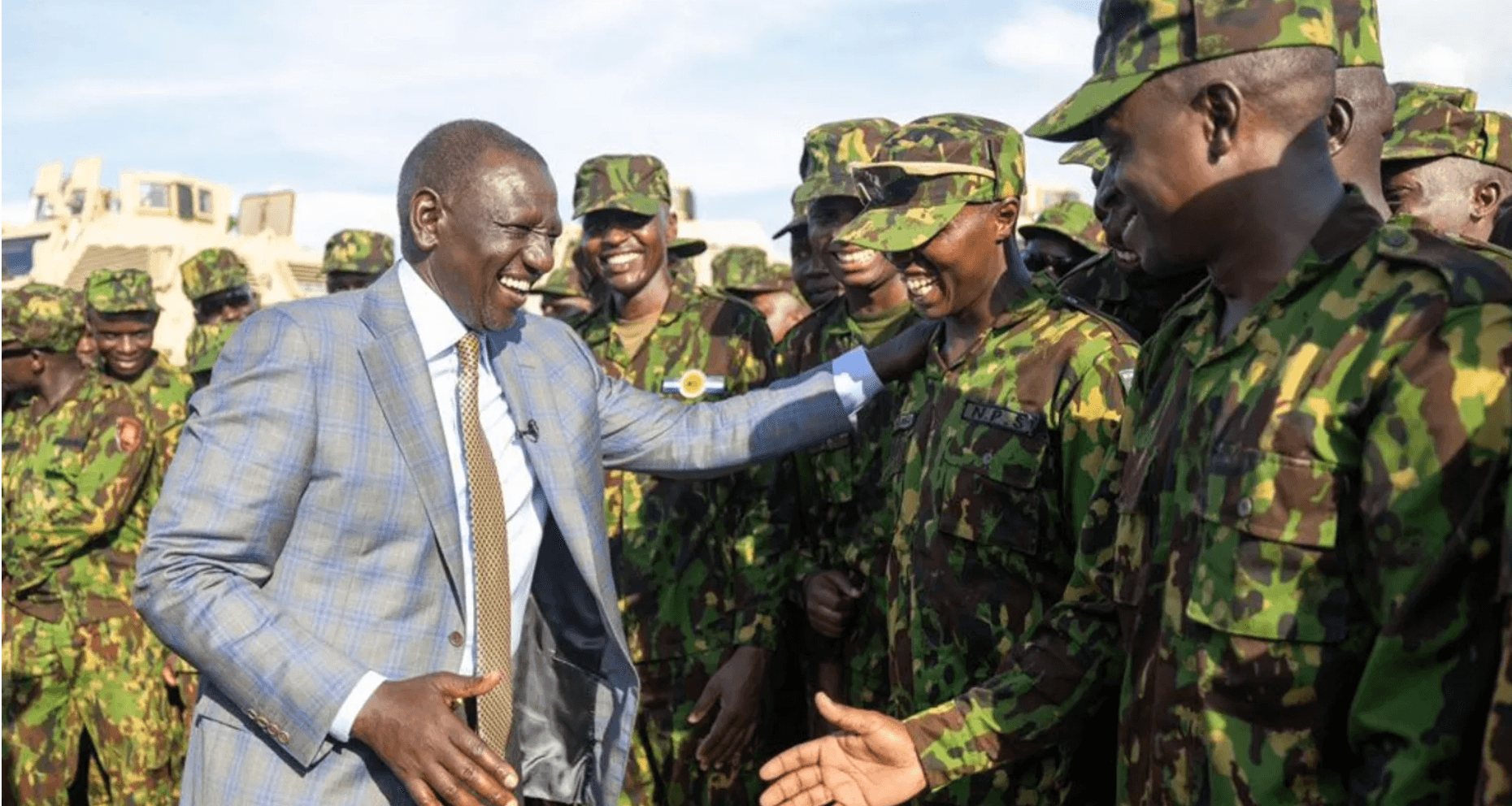
Kenya Police Set to Get New Uniform as Ruto Prepares for Kiganjo Unveiling
Ruto Announces KSh1.2 Billion University for Emurua Dikirr
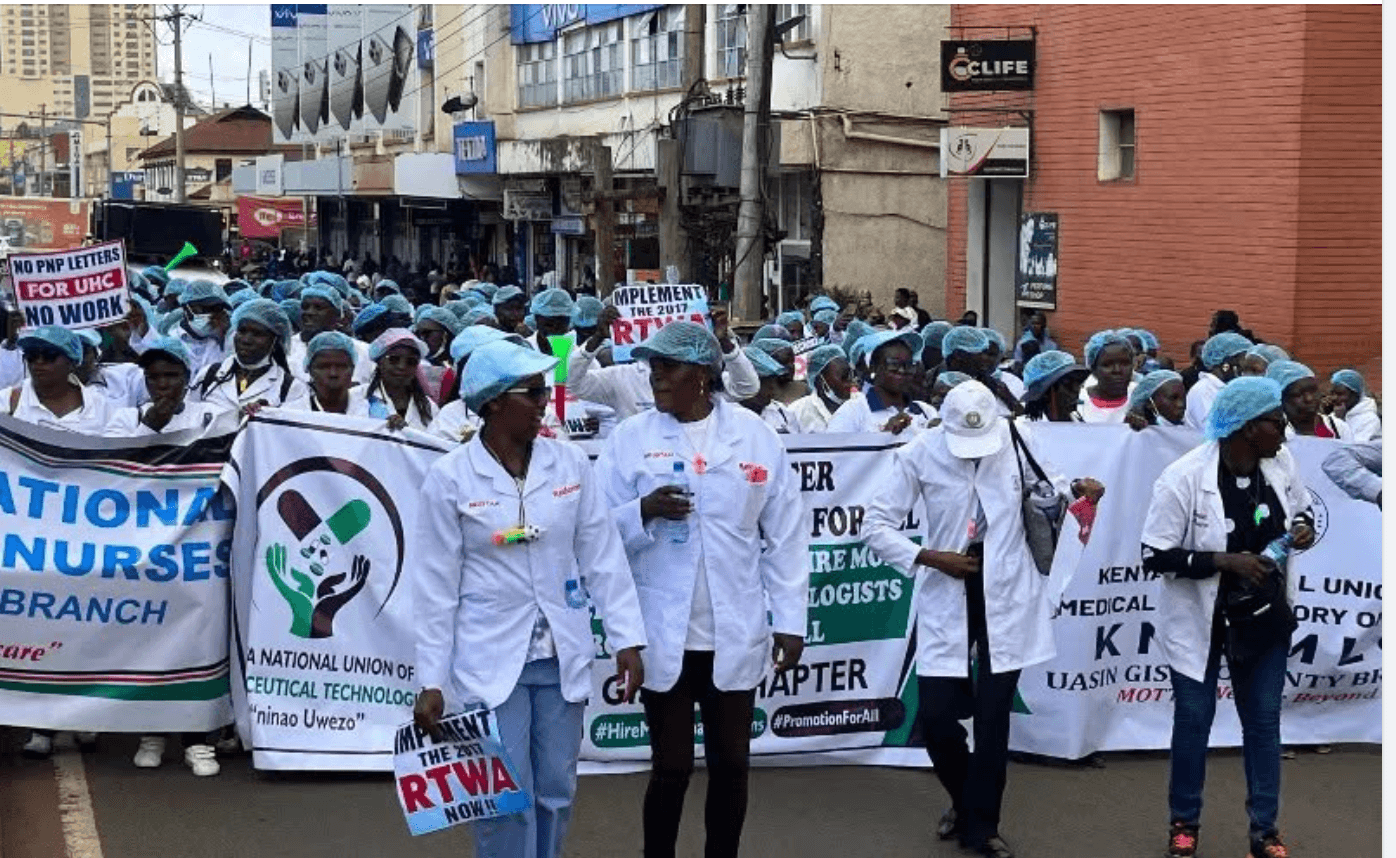
Kenya Nurses' Strike Enters Fourth Week as Talks With Counties Show Progress