This may appear to be a naïvely pietistic view of the realities of global politics, too rooted in a Christian view of the transformative power of love to gain a hearing in our secular age. The world respects strength, not mealy-mouthed pastoral reflections on love.
Things are not that simple.
Presidential declarations of death to our enemies have been cloaked in the rhetoric of the Jewish and Christian Scriptures. If presidents have invoked Christianity’s sacred texts, we can look for the ethic of the cross in their moral reasoning.
Mr. Biden quoted Isaiah 6:8 in his remarks after the airport attack. In this verse, God asks the prophet, “Whom shall I send? Who shall go for us?” Mr. Biden used this text to speak about the willingness of U.S. troops to answer the call to serve. But that passage is not about service members agreeing to fight for America. It is about God commissioning a prophet to speak in his name.
The Book of Isaiah goes on to speak about a king who ends wars. The arrival of that king, called the Prince of Peace, leads to lions lying down beside lambs. For the Christian, this king is Jesus, who, rather than kill his enemies, says while dying, “Forgive them, for they know not what they do.” I have never heard this passage quoted in our responses to modern evil.
There is a long and storied history of Christian reflection on just war, the circumstances under which war becomes a sad necessity. There is an equally extensive tradition of Christian pacifism that forswears all violence. It’s not my goal to engage those arguments here. I’m pressing a more basic claim about our national instinct toward violence rather than forgiveness.
We should pick up arms with heavy hearts, if at all. The Rev. Martin Luther King Jr., speaking of his resistance to war, said, “The choice today is no longer between violence and nonviolence. It is either nonviolence or nonexistence.”
He was not unaware of the difficulties of his position. “I am no pacifist doctrinaire,” he said. “But I believe that the church cannot dodge taking a stand on the war issue by first finding for itself its own distinctive dimension.”
Related reporting
More World News →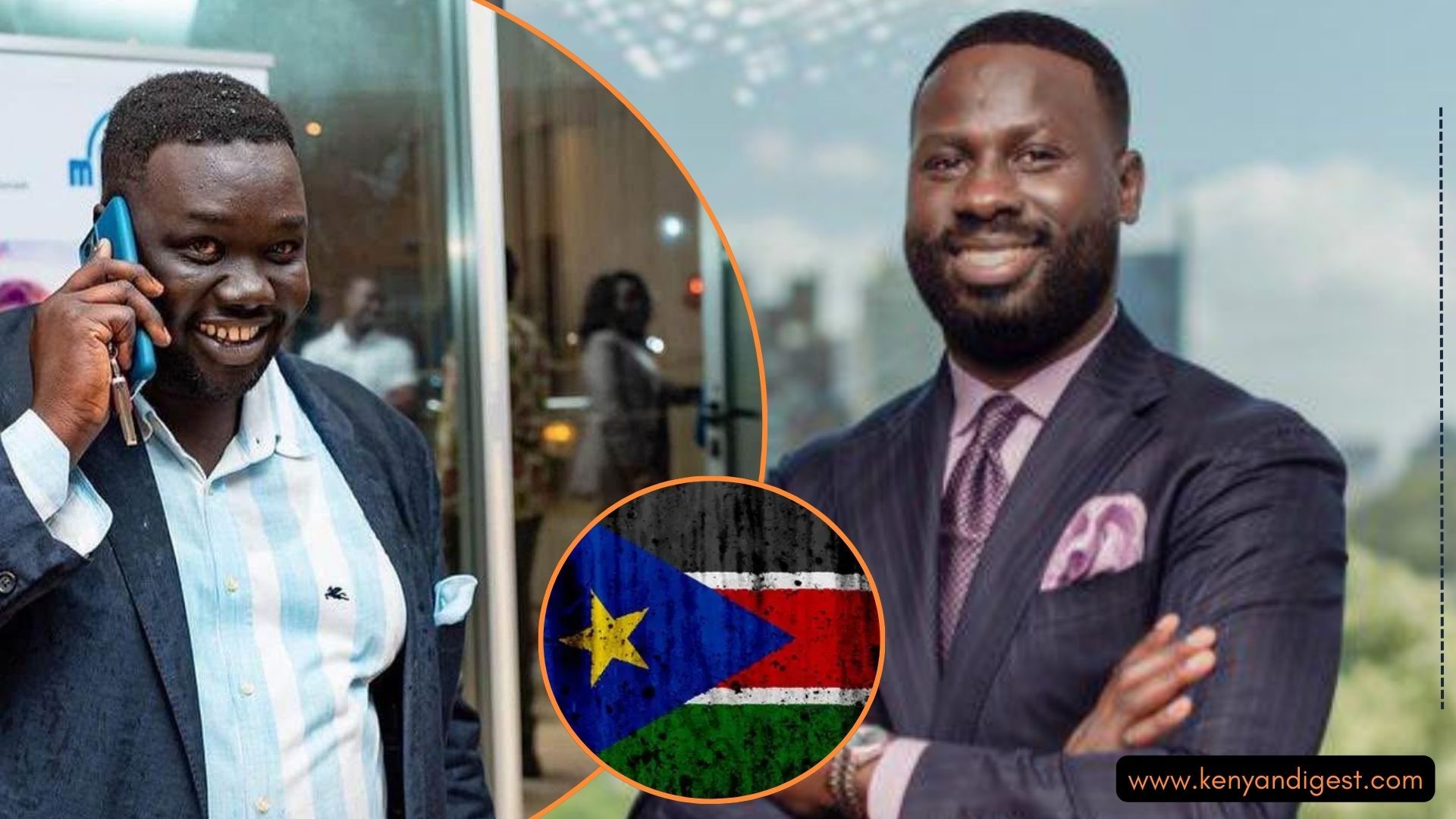
South Sudan’s Oil Looters: How Young Elite Gatekeepers Plunder Nation While Citizens Starve
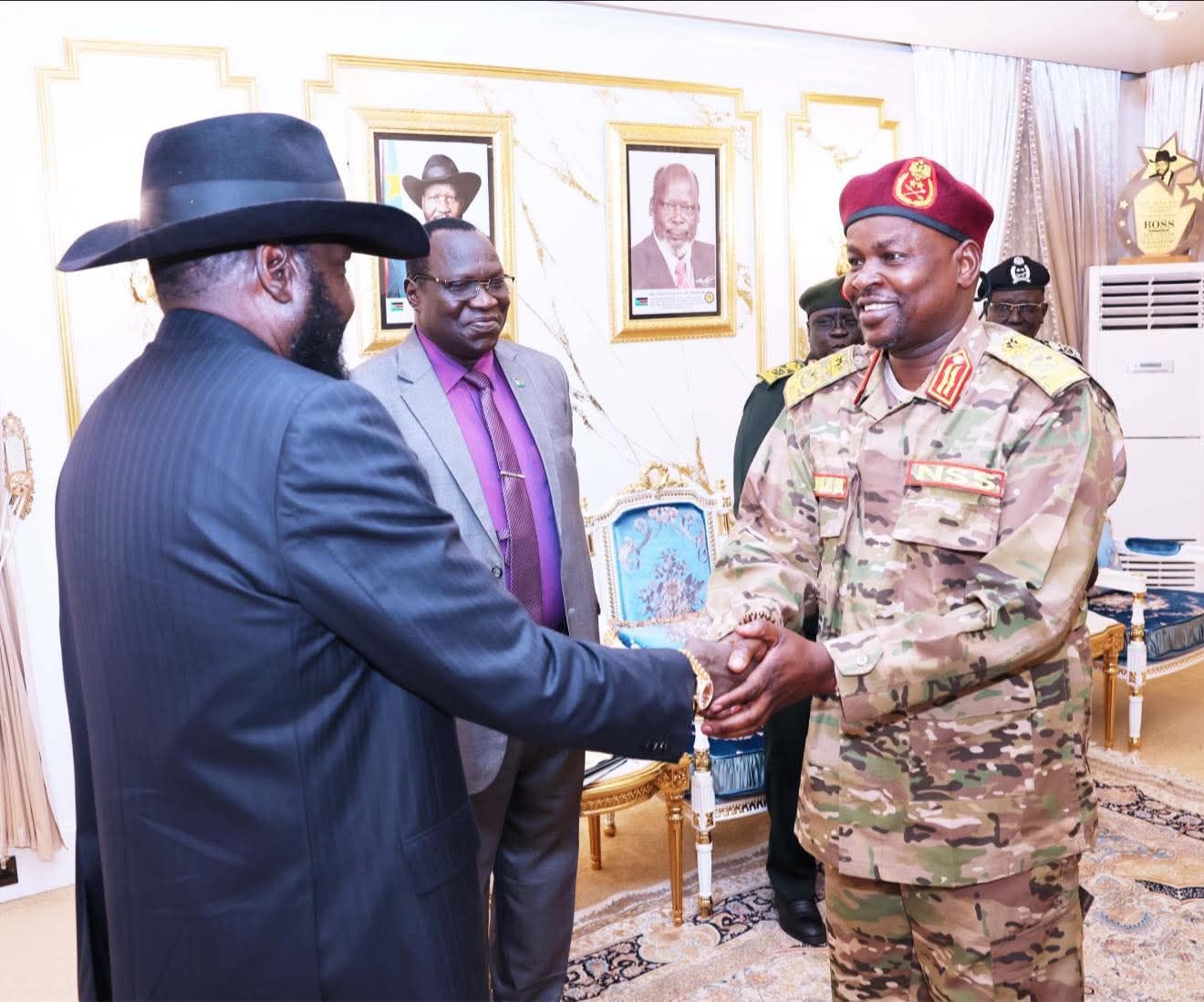
General to Private: Kiir Crushes Economic Vice President in South Sudan's $1.7 Billion Corruption Purge
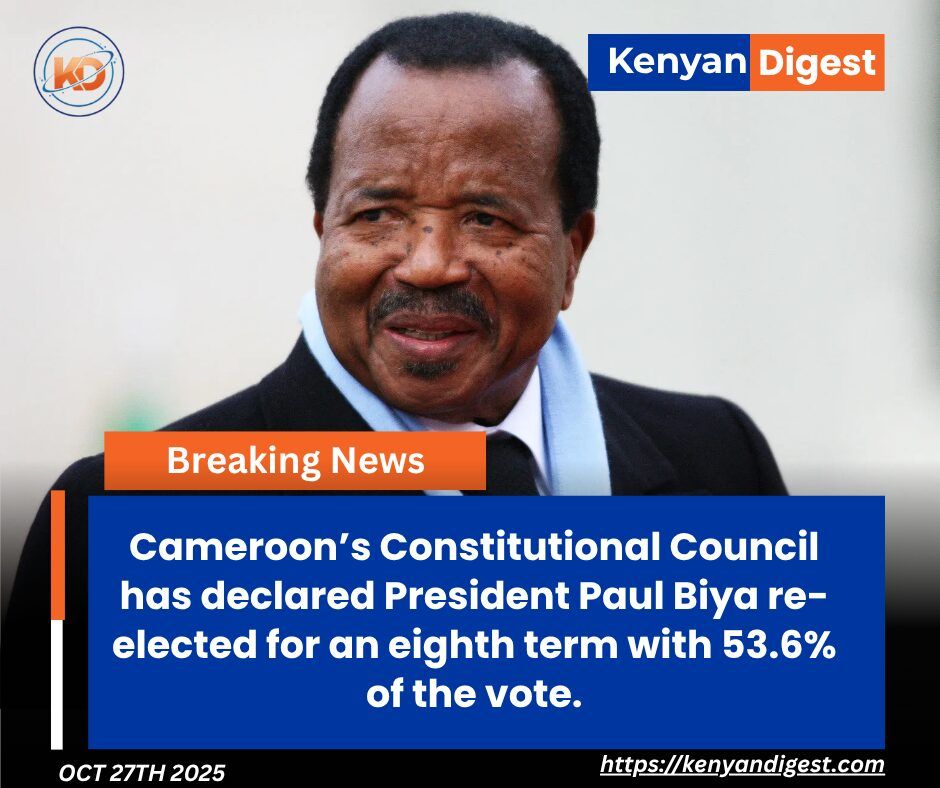
Paul Biya’s Re-Election: What Cameroon’s Political Longevity Reveals About Leadership and Governance in Africa