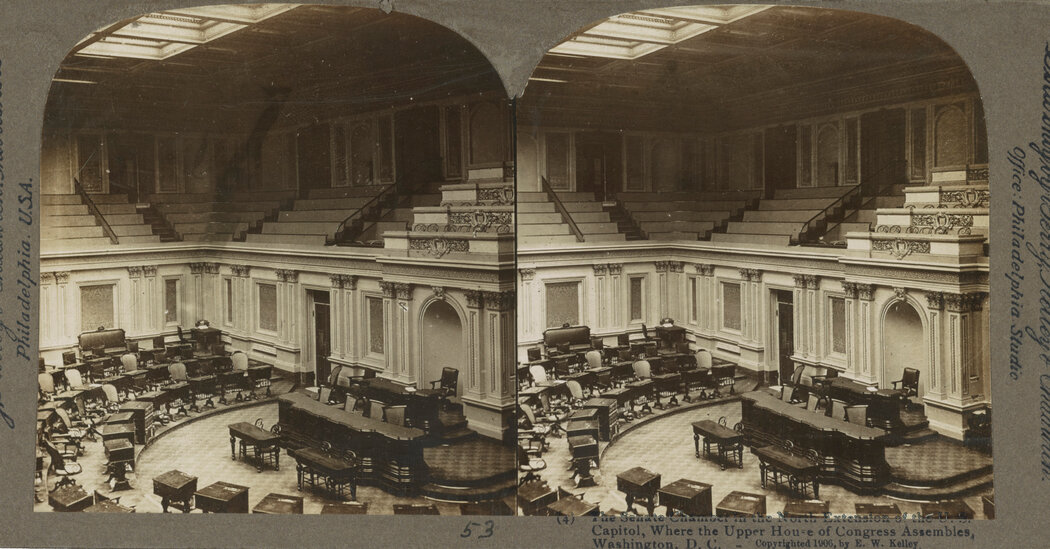
A response to the assault on suffrage in Mississippi, Alabama and other former Confederate states, Lodge’s bill would have placed the power to certify federal election results into the hands of federal officials. “There is absolutely nothing in this bill,” he explained, “except provisions to secure the greatest amount of publicity in regard to elections and to protect the ballot-box by making sure the punishment of those who commit crimes against the suffrage.”
The Lodge bill passed the House. But it died in the Senate, killed by a Democratic filibuster the following year. In 1893, a still-frustrated Lodge — now himself a senator — took the chamber and its rules to task in an essay for the North American Review, then one of the nation’s most prominent literary magazines. I have written about this essay before, in brief, but I want to return to it, since, at this moment of congressional dysfunction, Lodge’s critique is as relevant as ever.
“The primary and the only proper and intelligent object of all parliamentary law and rules is to provide for and to facilitate the ordinary action of public business,” Lodge wrote. “When any set of parliamentary rules ceases to accomplish this object they have become an abuse — and an abuse of the worst kind.”
It was not just that obstruction stymied the work of government, but that it undermined accountability and made lawmakers less responsible: “If a minority can prevent action, the majority, which is entitled to rule and is entrusted with power, is at once divested of all responsibility, the great safeguard of free representative institutions.”
Lodge had no trouble with the Senate’s tradition of unlimited debate. But, he insisted, the Senate did not exist to debate; it existed to govern, and its rules must work to that end. “The two great rights in our representative bodies are voting and debate,” Lodge wrote. “If the courtesy of unlimited debate is granted, it must carry with it the reciprocal courtesy of permitting a vote after due discussion.”
Voting, he continued, was much more important than debate. “We ought to have both, and debate certainly in ample measure; but, if we are forced to choose between them, the right of action must prevail over the right of discussion. To vote without debating is perilous, but to debate and never vote is imbecile.”
Interestingly, Lodge did not blame the minority in the Senate for obstruction. Instead, he blamed the majority for allowing it to happen in the first place. “If the rules permit them to obstruct, they are lawfully entitled to use those rules in order to stop a measure which they deem injurious,” he wrote. “The blame for obstruction rests with the majority, and if there is obstruction, it is because the majority permits it.”
Related reporting
More World News →
South Sudan’s Oil Looters: How Young Elite Gatekeepers Plunder Nation While Citizens Starve
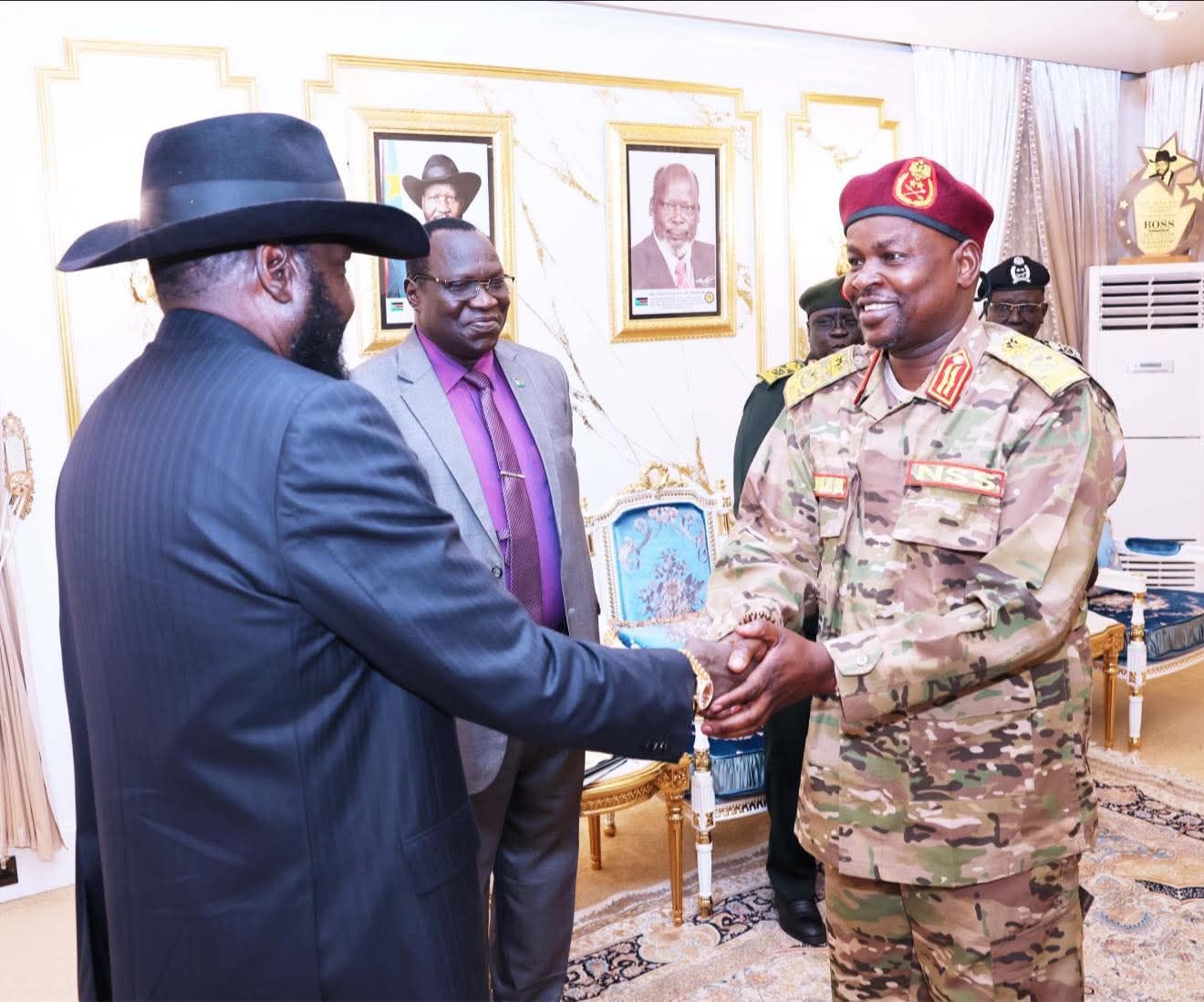
General to Private: Kiir Crushes Economic Vice President in South Sudan's $1.7 Billion Corruption Purge
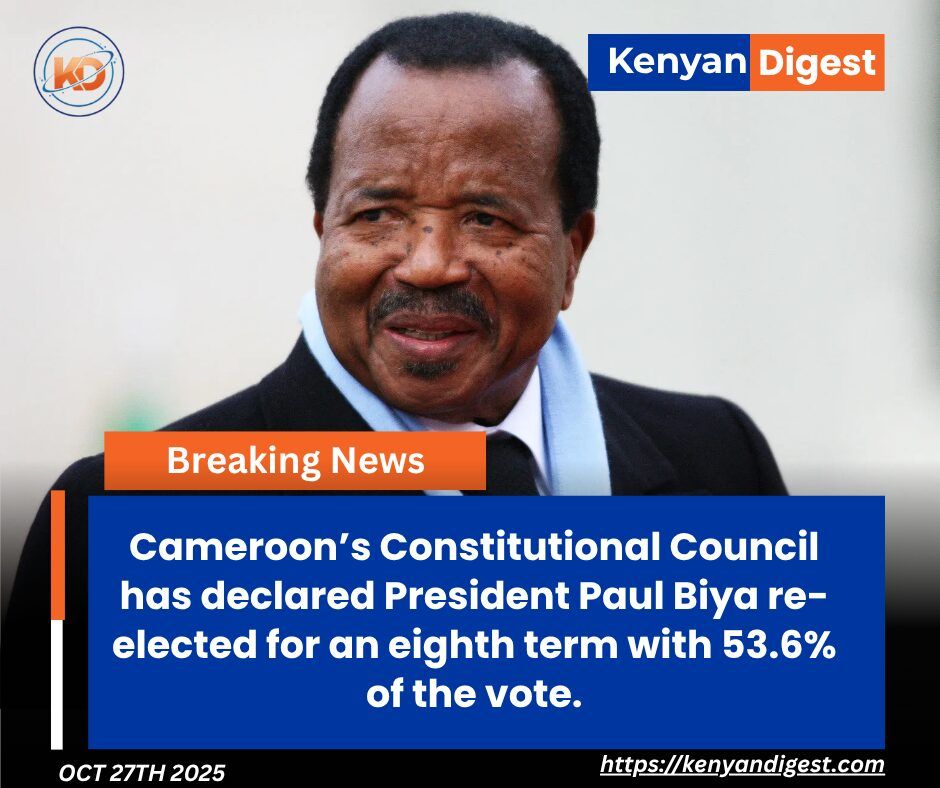
Paul Biya’s Re-Election: What Cameroon’s Political Longevity Reveals About Leadership and Governance in Africa