What he’s said so far:
• Robert S. Mueller III announced his retirement from the Justice Department, ending his two-year appointment as special counsel overseeing the Russia investigation.
• “The report is my testimony,” Mr. Mueller said, pointing to his investigators’ 448-page report.
• Mr. Mueller reemphasized the report’s main findings, including that there was not enough evidence to prove a criminal conspiracy with Russia’s interference and that he made no decision on possible obstruction of justice because of a Justice Department policy on not indicting sitting presidents.
• “The matters we investigated were of paramount importance,” Mr. Mueller said, rebutting President Trump’s claims that the investigation was a “witch hunt” motivated by politics.
______________
WASHINGTON — Robert S. Mueller III, the special counsel, appeared at the Justice Department on Wednesday to make his first public comments since he took over the inquiry two years ago.
Mr. Mueller was to make a lengthy and substantial statement, a Justice Department official said, and take no questions. The official would not detail Mr. Mueller’s remarks, but the department has said for weeks that he would be closing the special counsel’s office soon and departing the post now that his investigation has wrapped up.
The White House was notified late Tuesday that Mr. Mueller would be making a statement, a senior White House official said. Attorney General William P. Barr was in Alaska meeting with tribal leaders and federal and local officials.
Mr. Mueller has been at the center of a fight between the Trump administration and House Democrats, who want to hear from him about his nearly two-year investigation into Russia’s election interference, possible coordination with the Trump campaign and whether President Trump obstructed justice. The special counsel team concluded that there was no conspiracy by the Trump campaign to coordinate with Russia’s campaign of sabotage.
After Mr. Mueller’s 448-page report was released with redactions in April, House Democrats have sought the entire text and underlying evidence. Mr. Trump has said he would block all subpoenas from Democrats, stymieing their oversight efforts on a variety of issues, including whether he obstructed justice. Some Democrats and one Republican, Representative Justin Amash of Michigan, have begun calling for an impeachment inquiry.
Mr. Mueller objected to the portrayal of the special counsel’s findings provided by Mr. Barr. In particular, Mr. Mueller disputed Mr. Barr’s characterization that the report’s conclusions cleared the president from charges of obstruction of justice. In the report, Mr. Mueller detailed 11 instances in which prosecutors investigated whether the president was deliberately trying to obstruct the investigation.
“If we had confidence after a thorough investigation of the facts that the president clearly did not commit obstruction of justice, we would so state,” Mr. Mueller and his investigators wrote. “Based on the facts and the applicable legal standards, however, we are unable to reach that judgment.”
After Mr. Barr framed the findings, Mr. Trump declared himself vindicated. And Mr. Barr was said to be frustrated that Mr. Mueller did not make a decision about charging Mr. Trump for any of those 11 instances and instead left it to Mr. Barr.
Democratic lawmakers want to hear from Mr. Mueller directly about whether he would have recommended charges were it not for the Justice Department’s position that a sitting president could not be indicted.
Mr. Trump announced last week that he was delegating extraordinary powers to Mr. Barr to investigate the origins of the Russia inquiry and declassify documents from American intelligence agencies. The move prompted concerns among Democrats and current and former national security officials about the politicization of intelligence, such as the administration declassifying only materials that support Mr. Trump’s view that the investigators illegally opened the inquiry.
The debate over whether Mr. Mueller would testify to Congress started even before the report was released. And Mr. Trump has vacillated on whether House Democrats could question Mr. Mueller while he was an employee of the Justice Department.
The House Judiciary Committee has recommended that Mr. Barr be held in contempt of Congress for his refusal to release the entire report and underlying evidence. Portions of the report were redacted to protect secret grand jury information, privacy and open investigations.
Related reporting
More World News →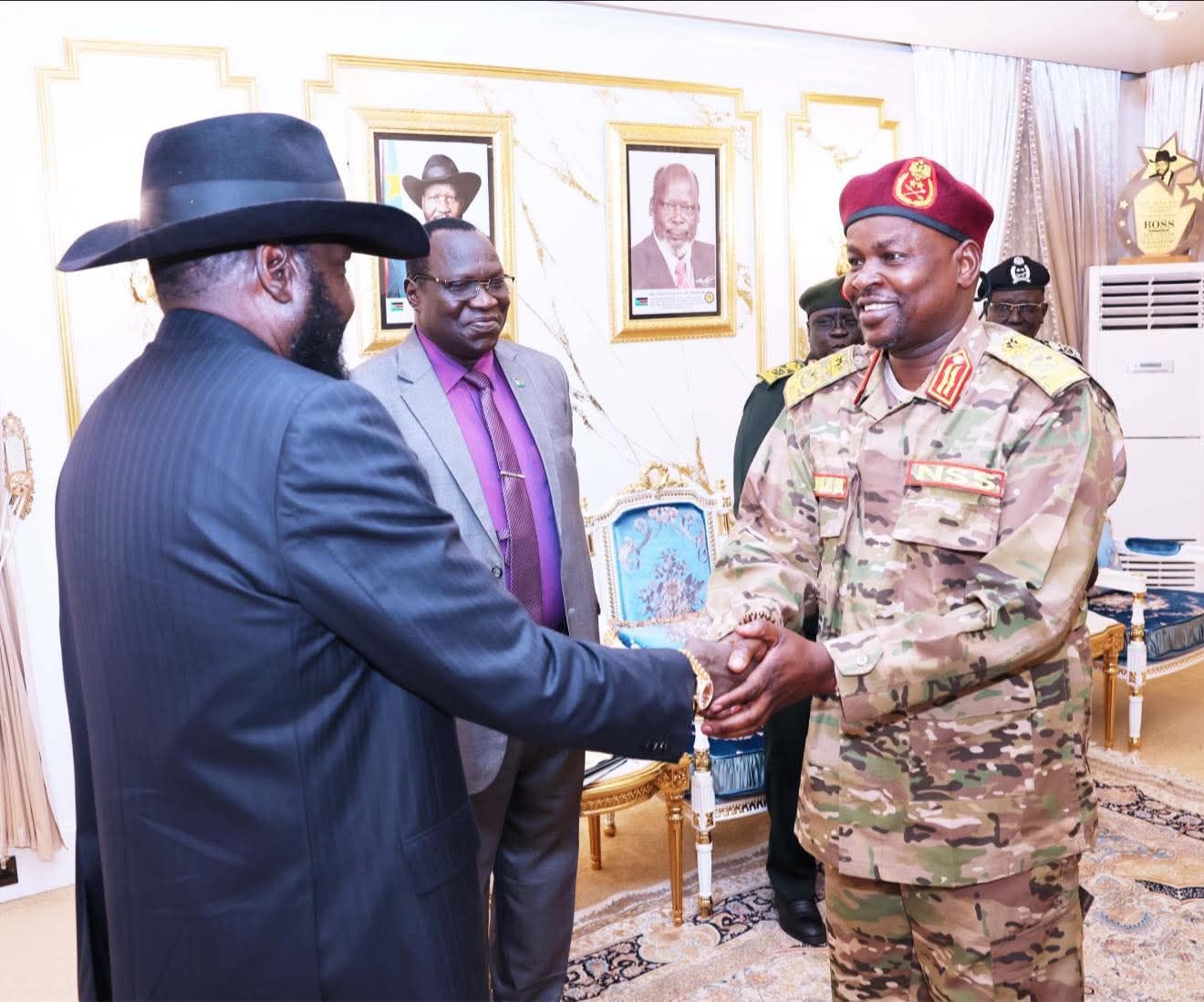
General to Private: Kiir Crushes Economic Vice President in South Sudan's $1.7 Billion Corruption Purge
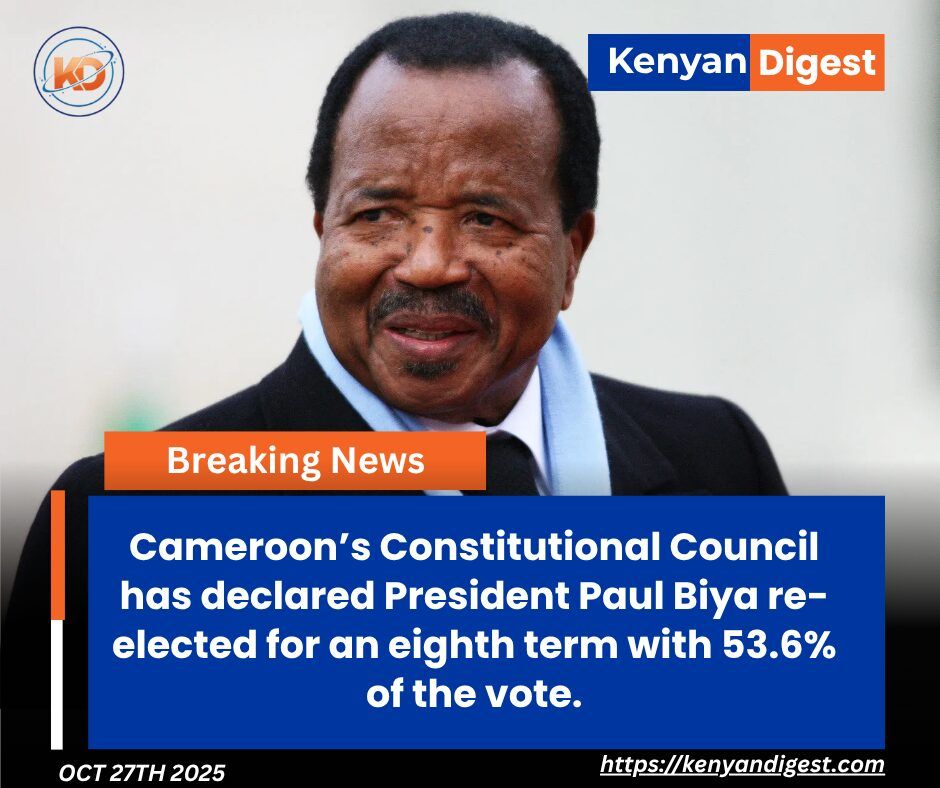
Paul Biya’s Re-Election: What Cameroon’s Political Longevity Reveals About Leadership and Governance in Africa

From Power to Prison: The Fall of France’s Former President Nicolas Sarkozy