Business
Global closure of entertainment facilities has slowed down demand.
SEE ALSO: Cane miller's efforts to block rival from setting up sugar factory fails
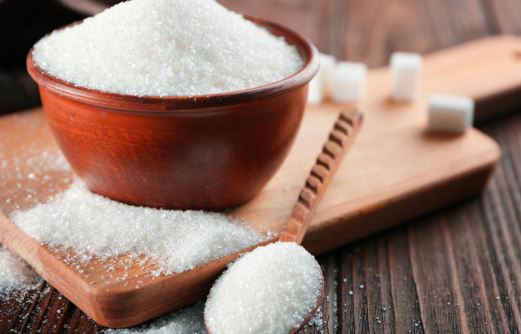
“If you go to the cinema you would probably quite happily have a litre or maybe more of soda while you watch the film, whereas we just don’t think people would drink a whole litre of soda while watching Netflix.” Under siege The sugar industry was already under siege before the coronavirus hit. Demand growth - largely driven by developing countries - slowed in recent years as lawmakers from South Africa to Thailand taxed sugary drinks and health groups urged people to cut back on carbs amid obesity concerns. Companies responded by selling slimmed-down treats and sugar-free sodas. None of that had as much impact as the lockdowns that slashed out-of-home spending. And now the emerging global recession is hurting the demand outlook going forward. In the first three weeks of April alone, Coca-Cola’s volumes slid about 25 per cent, and the company said the pandemic’s effect on the second quarter will be material. PepsiCo expects second-quarter revenue to fall and in Germany, a key sugar-consuming nation, a group of confectioners said sales at half of members surveyed fell in the four months through April. Sugar consumption will slip 1.2 per cent to 169.9 million tonnes this season, according to supply chain services company Czarnikow. Analysts at the US government and Citigroup also see demand falling this season. The International Sugar Organisation said the crisis has wiped out most of 2020’s projected consumption growth, and bigger losses may follow. Falling demand will mean bigger-than-expected sugar surpluses, said John Stansfield, an analyst at trader group Sopex. There are still some positives. Lockdown measures are easing around the world and the US Department of Agriculture expects global sugar consumption to rebound 3.6 per cent to a record next season. Demand growth in places like Asia and Africa has outpaced the developed world in recent decades as rising populations and burgeoning middle classes spend more on treats.Related reporting
More Business News →
High Court Blocks Oigara Bank Fraud Probe as Stanbic CEO Escapes Questioning

15 Proven Ways to Make Money Online in Kenya; No Scams!

High Court Halts Equity Bank's Takeover Bid on Swafi Foods in Landmark Ruling
