SEE ALSO :Firm to assemble phones in Uganda
The three firms currently each hold a 33.3 per cent stake in the fields and Tullow is now selling 21.5 per cent of its stake, which will be split equally between Total and CNOOC. Tullow spokesman George Cazenove said in an emailed statement Tullow believed it should not have to pay the assessed Ugandan tax. “As Tullow has stated on a number of occasions, we believe this deal should not attract substantial tax liabilities and that this position is supported by Uganda’s tax laws,” he said. “Tullow and its partners remain in discussions with the Government of Uganda on this matter and the deal will only complete when those negotiations are brought to a satisfactory conclusion.” Muloni said after the deal is finalised, Tullow would be a non-operator and Total would be the operator in the northern part of Licence Area 2, while CNOOC Uganda would be the operator of the southern part of the area.SEE ALSO :Babu Owino banned from visiting Uganda
“Given the above progress, we now expect the licensed companies to undertake the final investment decision for the upstream projects before June 2019,” she said. Uganda discovered commercial crude oil deposits in the west of the country near the border with the Democratic Republic of Congo more than 10 years ago. The start of commercial production has been repeatedly delayed due to a lack of required infrastructure such as a refinery and an export pipeline. The government said last month that it now expects oil production to start in 2021, a year later than previously expected. Muloni said the government also planned to do another licensing round for vacant blocks in 2020, but the number of blocks that would be auctioned has yet to be determined. She said Uganda’s gross crude reserves had also been revised downwards after new reservoir analyses, to six billion barrels from 6.5 billion previously. Recoverable reserves remained at 1.4 billion barrels.SEE ALSO :Farmers compete with monkeys for food
Related Topics
UgandaUgandan oilfieldsTullow OilRelated reporting
More General News →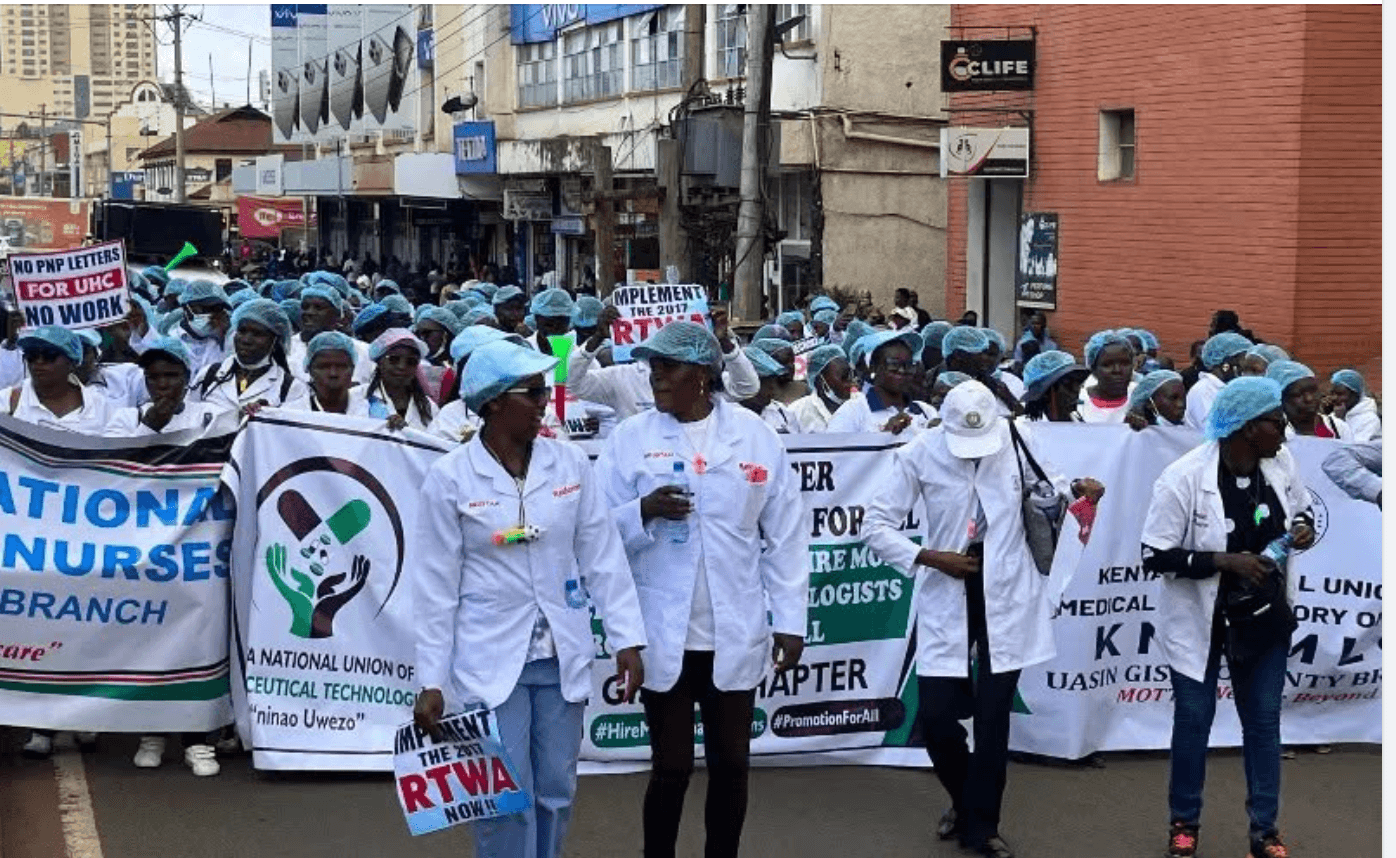
Kenya Nurses' Strike Enters Fourth Week as Talks With Counties Show Progress
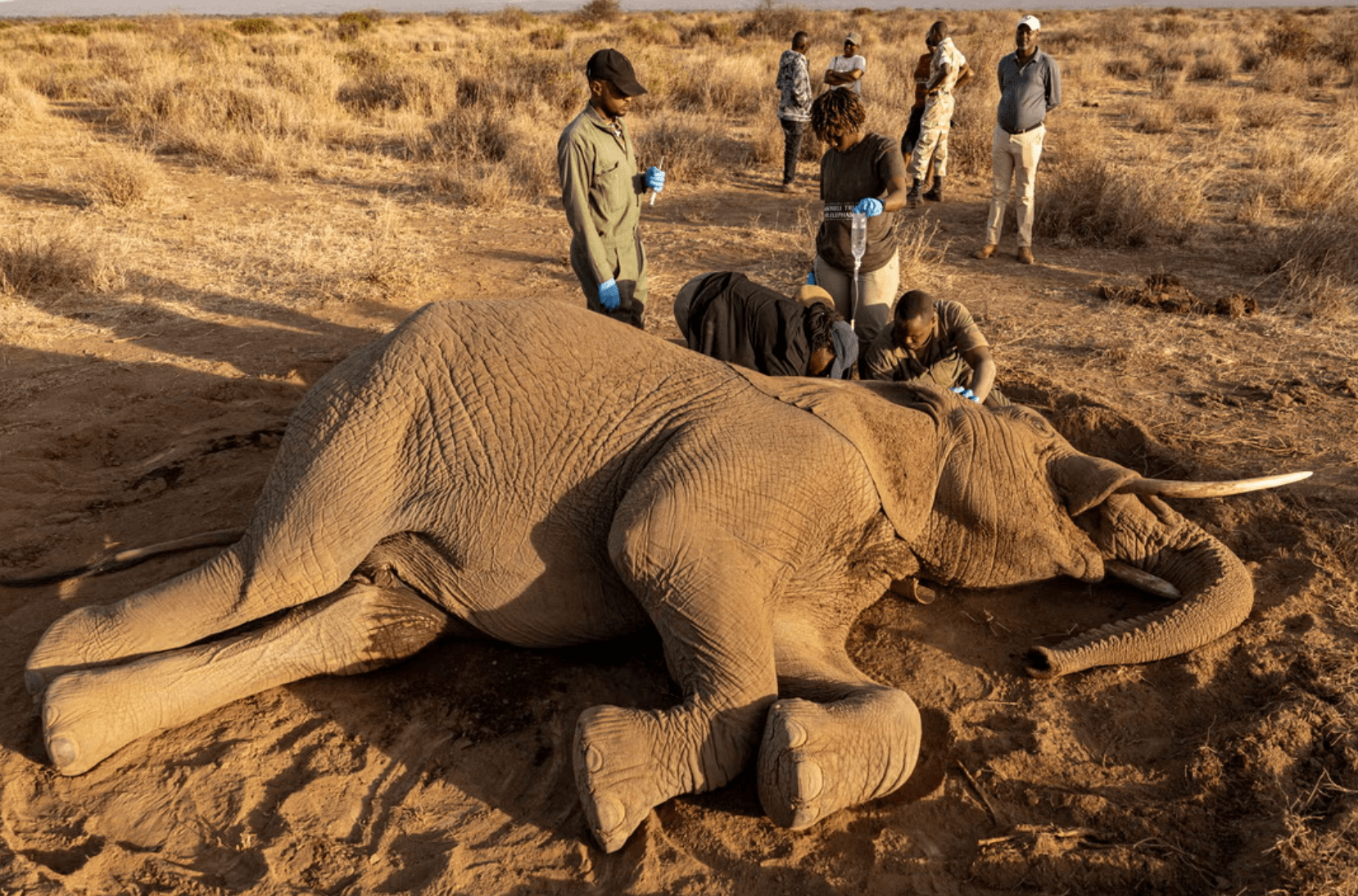
18 Elephants Die in Amboseli as Four Suspects are arrested

Dolly Parton Dies at 80: A Look Back at the Life and Legacy of a Global Icon