- Reuters 08th Apr 2019 16:35:25 GMT +0300
SEE ALSO :Donors pledge Sh4.7tr to fight climate change
In its latest report on the regional economy, the bank also cut its 2018 growth estimate to 2.3 percent from last October’s prediction of 2.7 percent growth for last year. “The slower-than-expected overall growth reflects ongoing global uncertainty, but increasingly comes from domestic macroeconomic instability including poorly managed debt, inflation and deficits,” the bank said. Nigeria, South Africa and Angola, which make up about 60 percent of sub-Saharan Africa’s annual economic output, were all facing various challenges, curbing their contribution to the growth momentum, the bank said. “This downward revision reflects slower growth in Nigeria and Angola, due to challenges in the oil sector, and subdued investment growth in South Africa, due to low business confidence,” it said. Nigeria’s economy grew by an estimated 1.9 percent last year, up from 0.8 percent the previous year, the World Bank said, reflecting a modest pick-up in the non-oil sector.SEE ALSO :MPs set for new bruising battle over interest rates
South Africa came out of recession in the third quarter of last year but investors were still cautious due to policy uncertainty, the bank said. In the meantime Angola, the region’s third-biggest economy, remained stuck in recession, as oil production remained weak. High inflation and heavy debt loads discouraged investors in economies like Zambia and Liberia, hitting their growth prospects, the World Bank said. Economies that do not depend on commodities like Rwanda, Uganda, Kenya, Benin and Ivory Coast, continued to grow strongly, the bank said in the report. Albert Zeufack, the chief economist for Africa at the bank, said the region could boost annual growth by about nearly two percentage points if it harnesses information technology more effectively.SEE ALSO :Fight on climate change gets Sh2b
“This is a game-changer for Africa,” he said.Related Topics
World BankSub-Saharan AfricaChinaUnited StatesRelated reporting
More Business News →
High Court Blocks Oigara Bank Fraud Probe as Stanbic CEO Escapes Questioning

15 Proven Ways to Make Money Online in Kenya; No Scams!
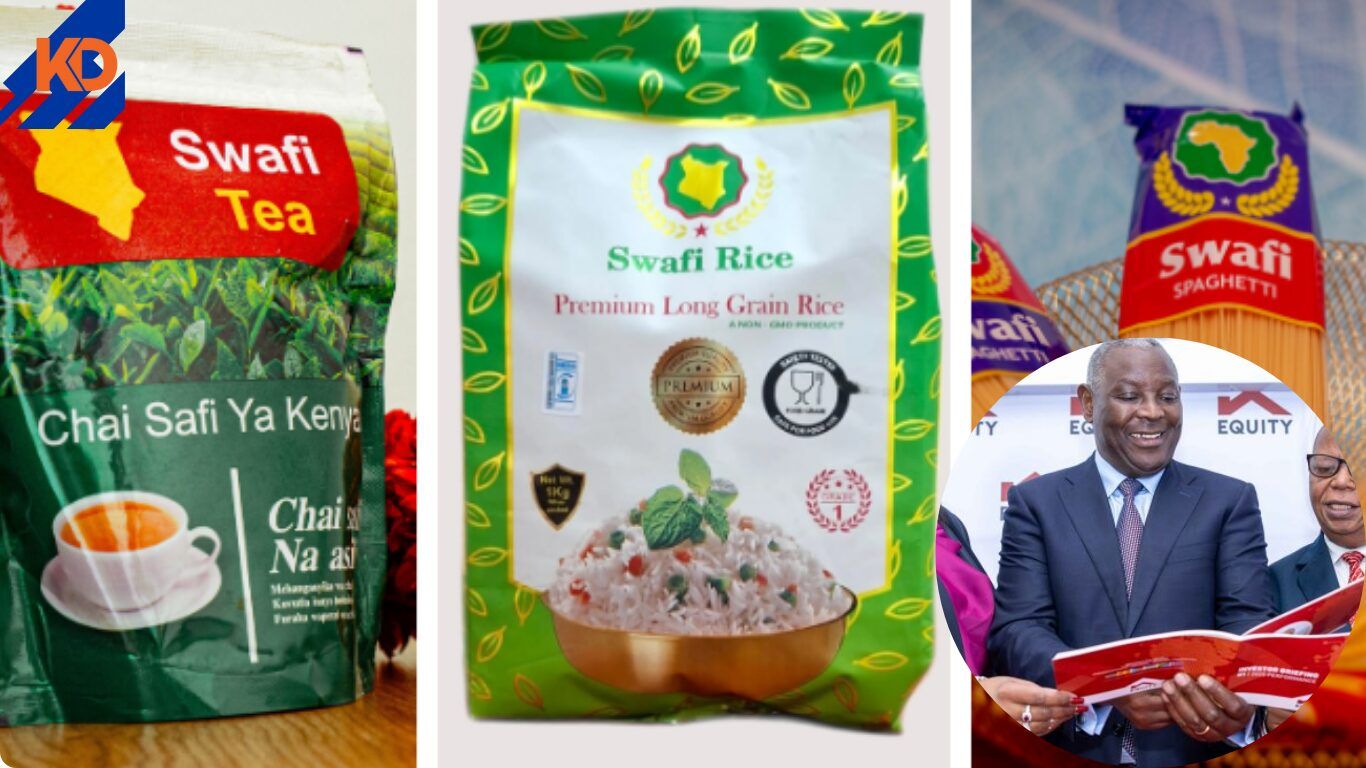
High Court Halts Equity Bank's Takeover Bid on Swafi Foods in Landmark Ruling
