SEE ALSO :Kenya to export agricultural products to China
The escalating trade row between the US and China saw each side impose 25% tariffs on a total of $50b of one another's goods. The US had threatened a third round of tariffs on an additional $200b of Chinese goods, which could come as soon as September 2018. President Trump also said he could slap tariffs on all $500 billion of imports from the country. September, on the heightened trade row, China Premier talked on plans against devaluing the country’s currency saying, “China will never go down the path of stimulating exports by devaluing its currency.’’ after US said that it would have to impose high tariffs on China exports. In June, President Donald Trump accused China of manipulating its currency lower for self-gain in exportation a statement which Li Keqiang dismissed saying, "The recent fluctuations in the renminbi exchange rate had been seen by some as an intentional measure on the part of China.’’SEE ALSO :US, China trade debates persist
In early November, trade war between US and China escalated as both economies tried to take power from each other. This made Jack Ma, the chief of Asia’s most valuable public company, Alibaba Group Holding Ltd call the truce as the “most stupid thing in this world.” The two countries set tariffs on hundreds of billions of dollars of each other’s goods with President Donald Trump threatening to slap tariffs on the remainder of China’s $500 billion-plus exports to the United States if the trade dispute could not be resolved. Late November, Thailand, Thai latex that makes everything from tyres and condoms to baby pacifiers and surgical gloves, the fruit of the rubber trees cultivated across endless acres of the country experienced a crossroad as a bitter dispute between the world's two biggest economies ricocheted across Southeast Asia with unexpected consequences. In December, China and the United States agreed to a ceasefire in their bitter trade war on after high-stakes talks in Argentina’s G20 summit between US President Donald Trump and Chinese President Xi Jinping, including no escalated tariffs on January 1.SEE ALSO :U.N. tells Washington to protect refugees
What will happen in 2019?Related Topics
ChinaUnited Statestrade warChinese President Xi JinpingUS President Donald TrumpJack MaRelated reporting
More General News →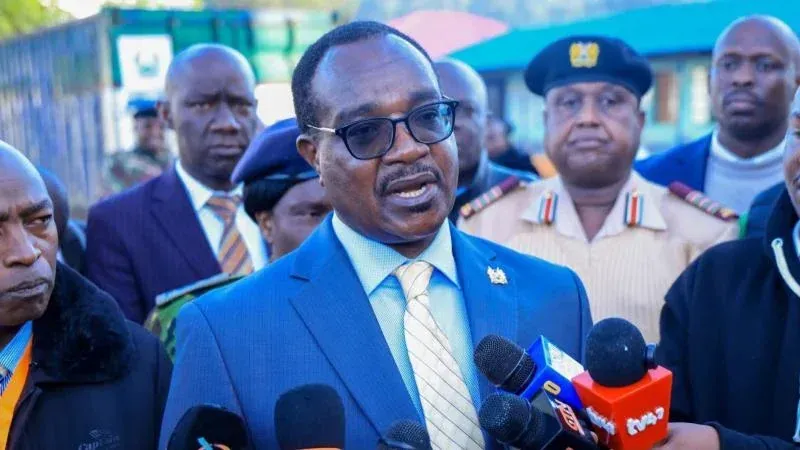
Education Cabinet Secretary Julius Migos Ogamba Relocates Two KCSE Centres in Marsabit Over Clan Clashes
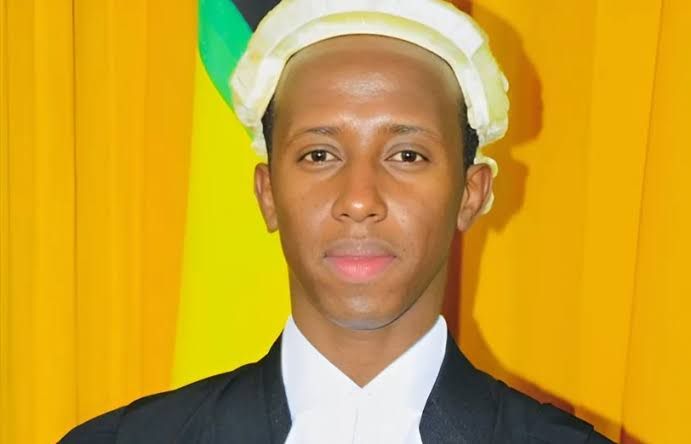
Family Files Habeas Corpus to Locate Lawyer Abshir Ahmedsadak Abdi

Kisumu Magistrate’s Court Sentences Family Trio to 10 Years for KSh113.2 Million Fraud