SEE ALSO :Ndii: Scheme to undermine DP Ruto real
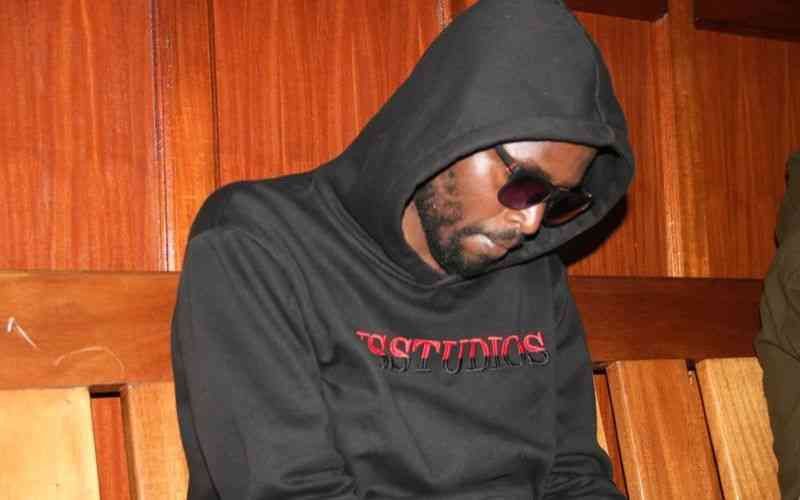
Tony Gachoka: There were problems when the international criminal court came into the country because many think that jubilee government came into power as a result of ICC compromise, do you think the compromise was hard to make? David Ndii: One of the mistake we made is we did not have an election after the 2010 constitution, if we would have held an election, those who were championing for progressive agenda would have taken over, but the misfortune is we placed the new constitution in a cold storage and allowed old forces to regroup behind ICC and so the first thing that we did in 2013 was to throw away chapter six of the constitution out of the window, once you throw the integrity chapter you set the bar for public leaders who instead of jumping over the bar they go under it. Tony Gachoka: Some people say that through the coalition government and towards the new Government in 2013, it changed the voice of the civil society since many voices of reason were either absorbed as politicians and others by government commissions; such that it affected civil action in as far as fighting corruption is concerned. David Ndii: I don't think that is the reason. Kenyans got mobilized along ethnicity and injustice and the trampling on the constitution, this took the wind out civil societies control. When the ICC came we were labelled evil societies, people turned against us for fighting for justice and for standing with post-election violence victims. If the society turns against you for doing the right thing what do you do? Tony Gachoka: This intra-jubilee wars we are seeing targeting the deputy president William Ruto and his people, are these manufactured wars? David Ndii: We know from the outset that Jubilee was a marriage of convenience to fight ICC. As soon as the ICC ended, this fallout has been coming along time. Tony Gachoka: Talking about a political contest, the only man President Uhuru has ever sacked is a junior CS Echesa. Does Uhuru need to have an iron fist to fight corruption by looking at the history of his predecessors on how to handle matters? David Ndii: Part of the problem we are experiencing was brought about during the times of his predecessors. The question that we should ask is why did you have tainted people in the government in the first p0lace? The fundamental problem is that you need this person to get into power when you get into power the bargain that you struck becomes a problem in government. Uhuru is a prisoner of his entire bargain he has struck, for his own survival including the ICC bargain with Ruto. Tony Gachoka: There were people saying that Ruto was the acting president and that they found Uhuru to be passive. Were there issues of co-presidency and was there an expansion of political space for Uhuru to free himself from those handcuffs if they were there? David Ndii: No! I think what people are doing is to ascribe to Uhuru a mission he doesn't have, a mission for Kenya. There is no evidence that Uhuru is in this for the people of Kenya, he is in this for himself, his family, business, associates and the people he strikes deals with for self-preservation. Tony Gachoka: Are you ignoring that there is a big push for 2022 and the Ruto takeover narrative? David Ndii: There is a lot of discomfort in Uhuru support base about Ruto now as Uhuru's successor. What you see is a self-preservation strategy. I see a lot of things about this and I categorize it in three pillars, to demobilize opposition, to denaturalize Ruto and to restore the authenticity of the State. What you see are efforts to take the demon of corruption and put it in one person and cleanse the system using Ruto. This is like the biblical story of taking demons out of the person and put them in pigs. Tony Gachoka: Does William Ruto feel now that he is strong enough to take over Uhuru Kenyatta? David Ndii: If Ruto runs and loses he will be destroyed. If he wins, the dynasties fear he will destroy them. The situation is either we have a dual to death between the two warring sides or at some point pull back from the brink.Related Topics
David NdiiTony GachokaICCWilliam RutoUhuru KenyattaPointblankRelated reporting
More General News →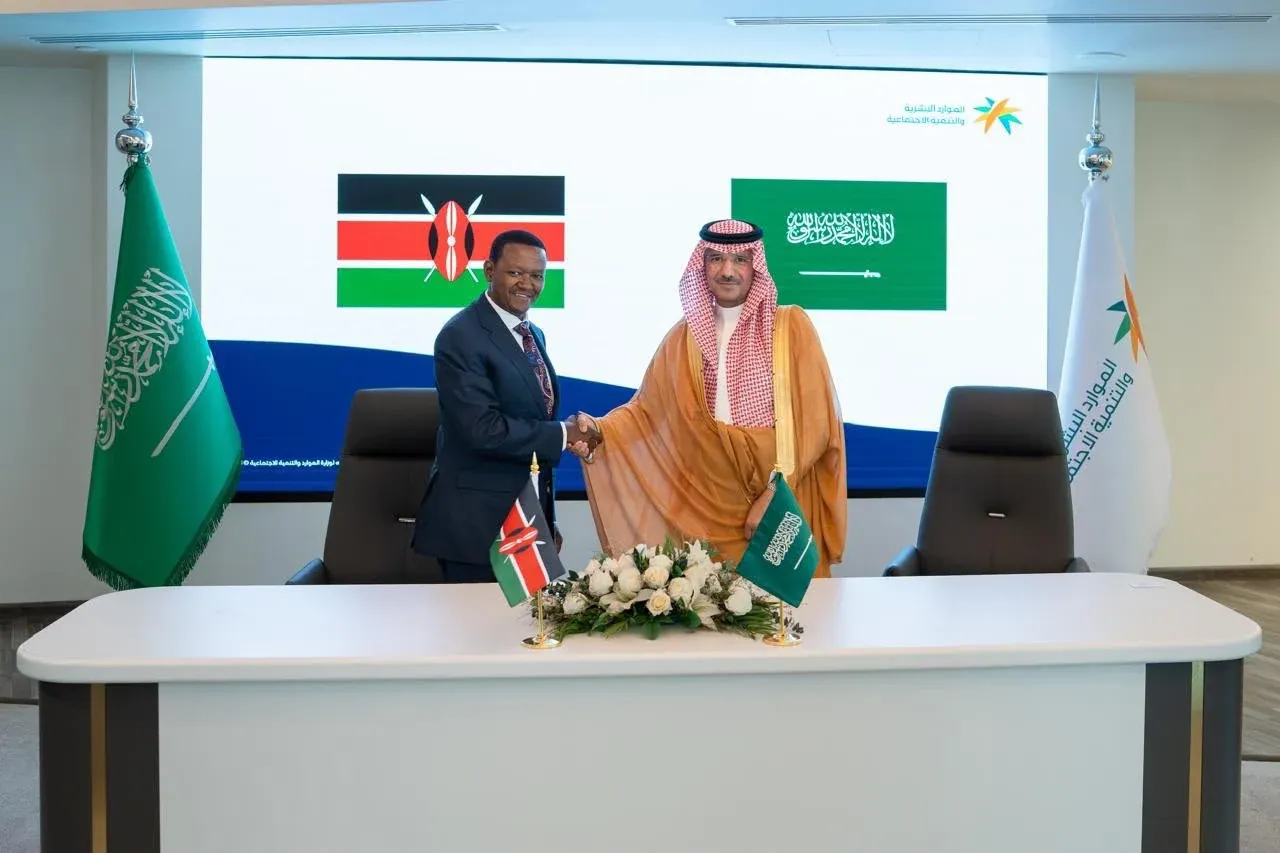
Labour Cabinet Secretary Alfred Mutua Secures 293,600 Saudi Job Opportunities for Kenyans
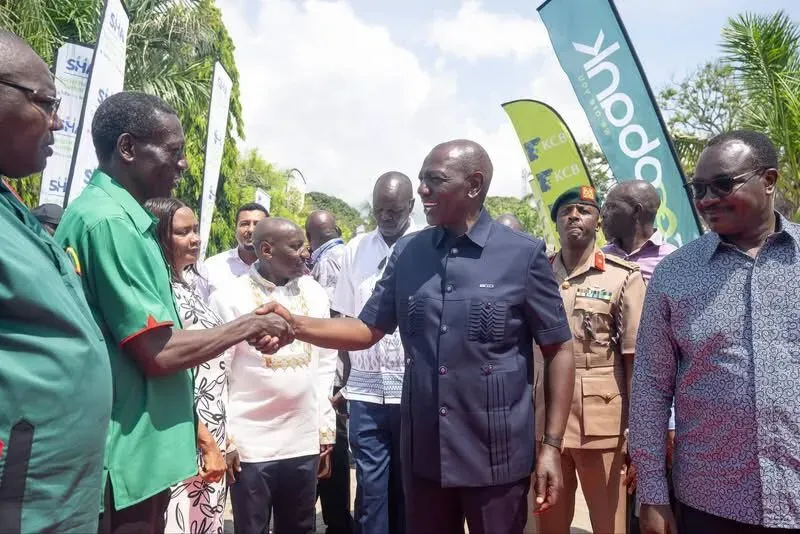
President Ruto Orders Review of School Capitation With Jan 2027 Deadline
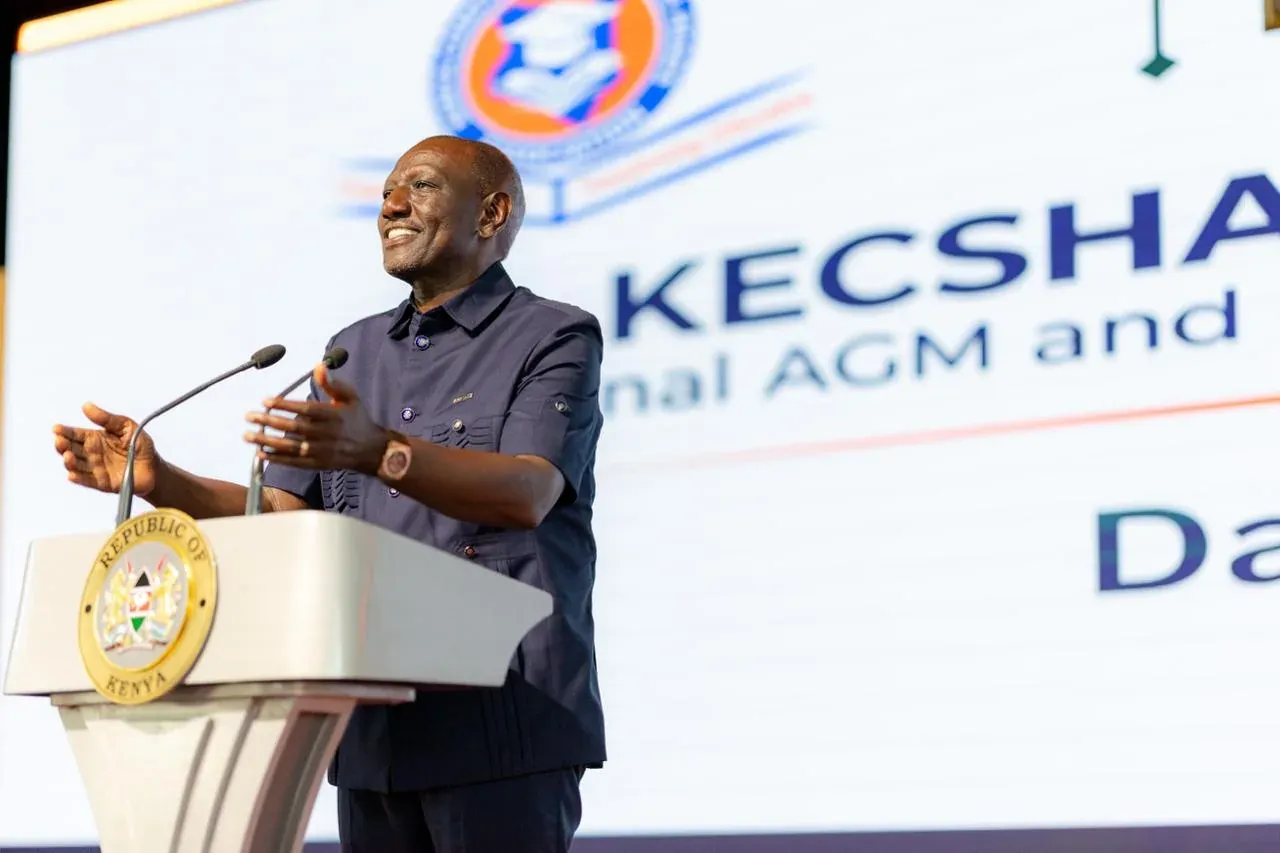
President Ruto Announces KSh4 Billion for Teachers' Career Progression and 50,000 Promotions