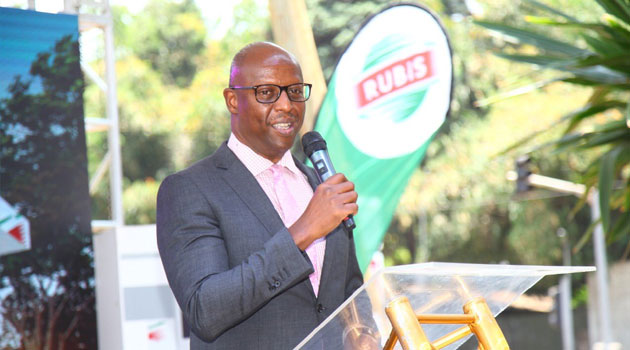
NAIROBI, Kenya, Apr 4 – Petroleum and Mining Principal Secretary Andrew Kamau has blamed the current ‘superficial’ fuel shortage in the country to “classic run by panicked motorists” who are unnecessarily filling up their tanks.
While likening the current fuel situation in the country to “financial runs where something spooks people and they head out to their bank to get all their money” Kamua noted panicked Kenyans were fueling up the shortage.
“I mean like most people, their cars have never seen a full tank. Let’s just say that all of a sudden their cars are full, they even brought jerry cans to store extra,” he said on Monday during an interview on Spice FM.
Whereas the fuel supply hitches in the country have been attributed to delays in remitting fuel subsidy compensating oil marketers, President Uhuru Kenyatta on Monday signed into law the supplementary budget which has allocated Sh34 billion to the government fuel stabilization programme.
The funds will be used to cushion Kenyans from high cost fuel prices occasioned by the worsening global energy crisis.
“There is no need to do rush buying. If you usually buy Sh1,000 Shillings buy Sh1,000. Continue with your normal pattern of purchase this issue will be resolved,” Kamau said
He pointed that that the “mad rush by motorists in petrol stations to fill their cars” will not be witnessed by Thursday as the situation would have normalized.
Government-owned fuel supplier Kenya Pipeline Company (KPC) has dismissed claims of fuel deficit in the country amid reports of fuel shortages in parts of the country.
In a statement, the agency said that the current stock position in all its facilities as at Saturday noon stood at over 69 million liters of super petrol and more than 94 million liters of diesel.
The central petroleum supplier pointed out that there are more than 13 million liters of kerosene and over 23 million liters of jet fuel available.
Reports emerged of fuel crises in parts of the North Rift and Western region with long queues witnessed in some areas.
Similar fears have been rife in parts of Kenya’s capital Nairobi with reports of some fuel stations turning away motorists or rationing the petroleum product in what has been attributed to scarcity.
A field survey done by Capital News at petrol stations in select cities and towns revealed a biting shortage with affected filling stations capping sales at Sh2,000 or less for vehicles and as low as Sh100 for motorbikes.
On March 14, Kenya reviewed its fuel prices signaling an increase in price per litre by Sh5 in what is likely to push up the country’s cost of living.
The new adjustment was announced, in a monthly review by the Energy and Petroleum Regulatory Authority (EPRA).
Under the new prices, Super Petrol and Diesel will retail at Sh134.72 and Sh115.60 per litre respectively. Kerosene will remain unchanged at Sh103.54.
It is the first increase since November 2021, in what sources linked to the crisis in Ukraine triggered by Russia’s.
The average landed cost of imported super petrol increased by 13.34 per cent from USD596.79 PER cubic meter in January 2022 to USD676.40 per cubic meter in February 2022. For diesel, it increased by 11.74 per cent from USD606.16 per cubic meter to USD677.31 per cubic meter.
The landing cost of kerosene also increased by 15.94 per cent from USD534.38 to USD619.57 per cubic meter.
Related reporting
More General News →
Eldoret Airport Smuggling Expose: Millions Lost as Gadgets Flow Illegally to Ethiopia

Raila Odinga’s Sister Beryl Achieng Has Died, Family Confirms

Karen Hospital Moves to Court Over Sh25 Million Bill for 83-Year-Old Patient