- Reuters
- Posted on: 25th Feb 2019 09:34:20 GMT +0300
SEE ALSO :Zimbabwe request for Sh122b from SA rejected in December
Economists cautiously welcomed the central bank’s intervention, which it hopes will temper demand for black market dollars and ease inflation as the new currency settles. But uppermost in ordinary Zimbabweans’ minds were fears it might trigger a return to the hyperinflation that plagued part of the tenure of former leader Robert Mugabe. The success or failure of the new currency regime will go a long way towards determining whether President Emmerson Mnangagwa regains public trust, further undermined by signs that security forces are reverting to the strongarm tactics they often deployed under Mugabe. Under the new system the bond notes - as well as the electronic dollars locked in individuals’ accounts for months due to a lack of cash - will be merged into a separate currency called RTGS dollars. The name is derived from the real time gross settlement system banks use to transfer money between themselves. The central bank sold U.S. dollars to banks at 2.5 RTGS dollars on Friday morning, Bank Governor John Mangudya told business leaders, effectively a 60 per cent devaluation.SEE ALSO :Zimbabwe vows bold economic shift despite surging prices
Related Topics
Reserve Bank of ZimbabwePresident Emmerson MnangagwaRobert Mugabe.Related reporting
More General News →
JKIA Modernisation Project Worth KSh154bn Targeted for Mid-2029 Completion
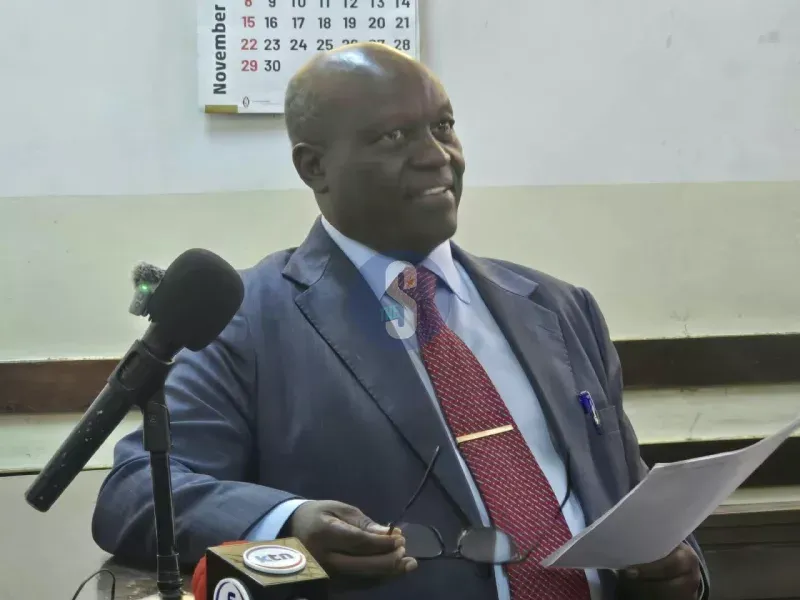
Lawyer Testifies Cohen’s Final Will Excluded Wife and Daughter

High Court Sets Hearing on Advocate Abshir Abdi Disappearance as Lawyers Threaten Strike