Kamotho Waiganjo
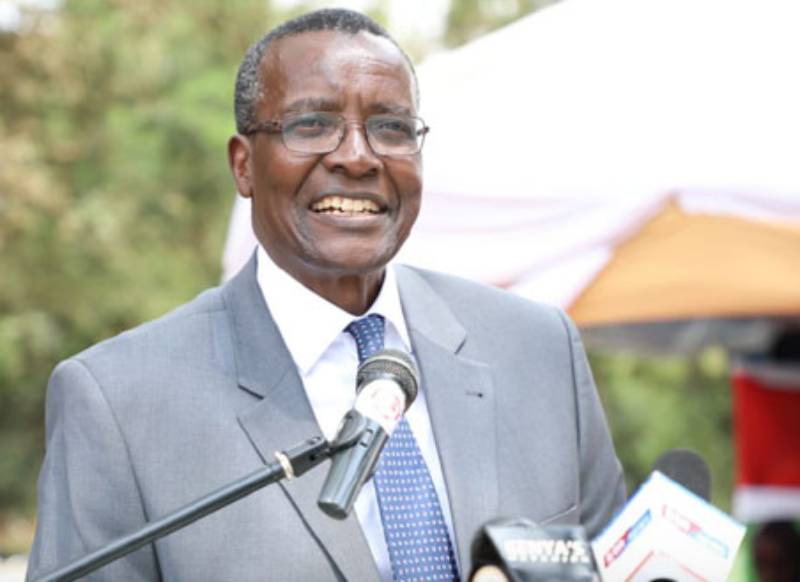
While the latter was historically associated with activism, his term as CJ was characterised by moderation and measured judiciousness.
SEE ALSO: Judiciary, Executive wars now turn nasty
His term will be remembered for the nullification of the 2017 presidential elections, the first in Africa and amongst less than a dozen in the whole world. Maraga’s admirers celebrate the courage of that decision while his detractors believe it was the height of activist recklessness. The CJ was in character when he publicly raised the current issues arising from the president’s refusal to appoint judges recommended by the Judicial Service Commission (JSC). The matters he raised concern fundamental issues about the status of the judiciary in a Kenya still in the throes of a constitutional transition. No one doubts that it is in the interest of every Kenyan, including the Executive, to have a free Judiciary. The Judiciary provides a necessary avenue through which private citizens can seek recompense from each other and from the State when it crosses boundaries. It thus provides a necessary pressure valve when citizens feel overwhelmed by the State. Lack of faith in the Judiciary can easily breed anarchy. The Judiciary also provides a critical avenue for State agencies to resolve disputes that traditional conflict resolution mechanisms cannot sort out. State agencies including Parliament, county assemblies and their Executives are routinely in court against each other. For such an important institution, it would be naïve to expect the Executive not to have a legitimate concern in the possibility of a rogue Judiciary. Consequently, the Constitution tried to balance the Executives’ concerns and the Judiciary’s independence by ensuring a balance in the membership of the JSC, the body that has overall supervisory responsibility over the Judiciary. Out of its 11 members, four, including the Attorney General, are appointees of the president. The assumption is that any issues that the Executive would have in the Judiciary would be articulated through those members. It is clear that some dysfunction has arisen in the JSC’s operations, leading the president to take the drastic action and the CJ to issue unprecedented broadsides at the head of state. Many lawyers led by our bombastic Law Society of Kenya chairman have rushed to the dry letter of the law as the recipe for resolving the impasse. I opine that this is a season for cooler heads to prevail. The Mutunga approach of “principled pragmatism” is called for. An approach that looks at the bigger picture and affirms more the spirit of the law than its dry letter, especially where, like in this instance, that dry letter has been pronounced by an interested party, the Judiciary. An approach that seeks to understand the underlying concerns by the protagonists and not dismiss them offhand. As we breathe life into the Constitution, we will continually realise that statecraft and nation building requires more resources than lawyers and technicians can provide. Elements like trust building and the creation of informal and formal avenues for effective consultation are as much an essential part of governing as the rule of law. More investment in these elements, not more “callings out”, will lead to a resolution of the impasse, which I believe both the CJ and the president would desire to be resolved for the sake of the people. -The writer is an advocate of the High Court.Related reporting
More Columns And Opinions → Columns And Opinions  Columns And Opinions
11 perish as overloaded matatu rolls in Mwingi along Thika-Kitui road