More by this Author
Since Monday last week, what has been at the top of most people’s minds is the death of Bob Collymore. His death, in fact, is what majority of Kenyans have been talking about on social media throughout the week.
We, apart from his family, friends and Safaricom employees, might have moved on to something else by now (after all, this is the age of social media), had it not been for some thought-provoking details that emerged following his death.
Details that have made many of us introspective.
Mr Collymore knew he was dying, so he prepared for his death, by, so to speak, putting his affairs in order. This included preparing his family for his death and calling his closest friends for a final get-together, where he asked them, among other things, to look out for his wife after he was gone.
From what I have read about him, I’d imagine that he left a will behind, so, thankfully, we will not be treated to the embarrassing dramas that often play out in public following the death of many wealthy Kenyan men.
With this in mind, I could not help asking myself whether I am prepared for death — practically, in deed, and psychologically. And if, should death warn me that it is coming, whether I will gracefully embrace it.
If you must know, the answers to these two questions were not inspiring. The truth is that I am not prepared for death, in fact, I would rather not think about it. I even refuse to acknowledge it, and highly suspect that I am sailing in the same boat with a number of Kenyans.
The third question I asked myself was what people will say about me should I die today. It is true that in most cases, people only say good things about the dead, but only because social etiquette demands it. That is why a well-known robber will be eulogised as a good son that was loved by all, or why a violent man who terrorised his wife and children will be described as a dedicated husband.
What will people really say about you when you die? What will you be remembered for? Is there a person, apart from your mother who loves you unconditionally, who will publicly say that you inspired them or impacted their life in a positive way?
The fourth question I asked myself was, whether I had a group of friends with whom I spend quality time with, friends that build me and inspire me to become a better person, to reach for the stars. Friends that not only affirm me, but whom I would confidently reach out to in my darkest hour because I know they will leave whatever they are doing and come running.
If people critically analysed their friends and were honest with themselves, not many would say that they have one or two genuine friends they can lean on in times of adversity.
What Collymore and his “boys club” taught me is that it is important to invest in friendship, and the only way to do this is by continuously investing your time in these friendships.
We, women, tend to form strong bonds with our female friends — we have chamas that ensure we meet regularly, we visit each other when we get children, we visit one another’s parents … in short, many of us tend to invest in our friendships. What about you, men? How many of you have friendships that go beyond the time spent at your favourite pub?
Related reporting
More Entertainment →
SportyBet Kenya Bonus for January 2026 - Uncover Unique Offers!
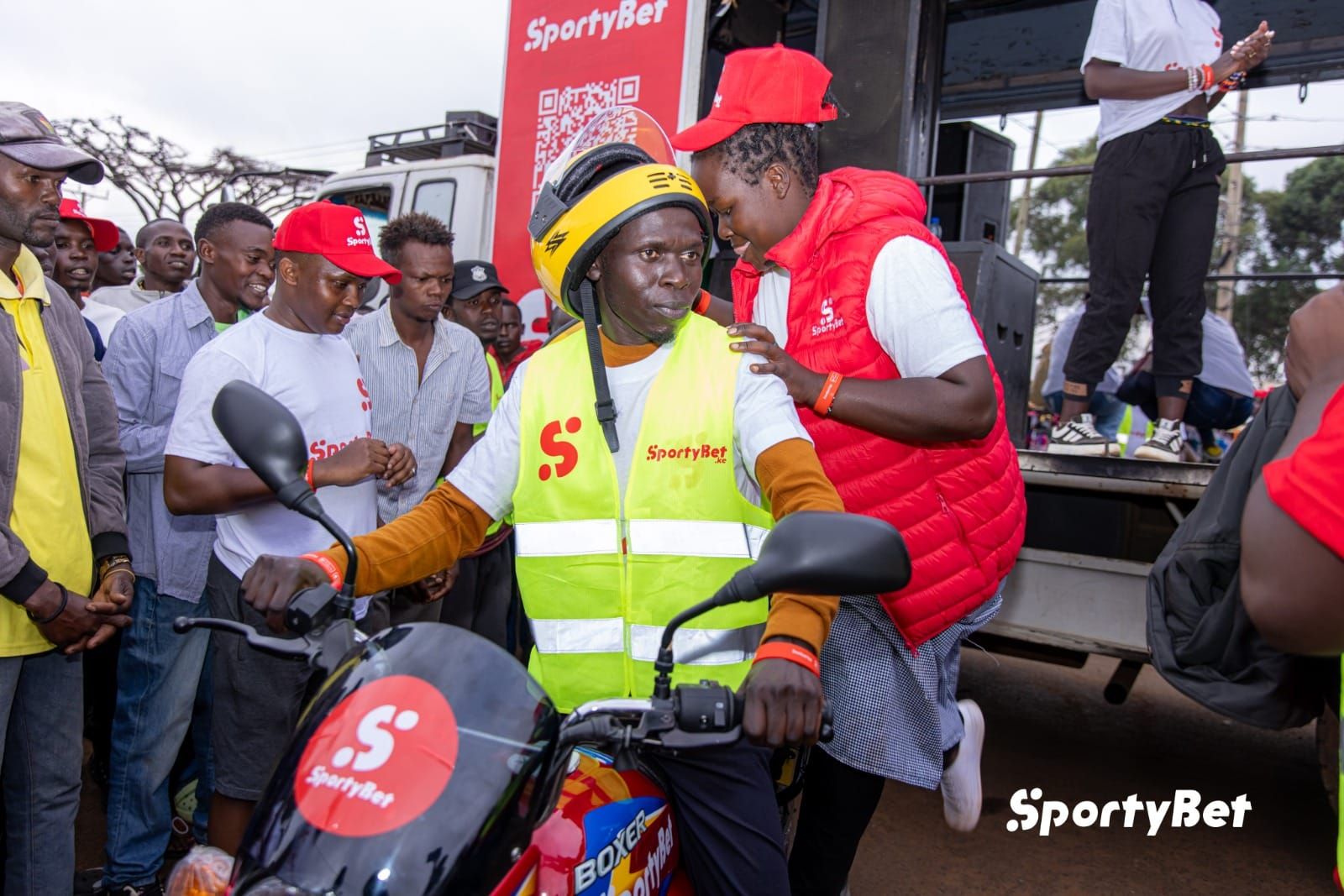
Chepterit Comes Alive As SportyBet Kenya Gifts Motorbike to Loyal Fans

Nest Lounge Narok Under Scrutiny as KRG The Don Shooting Incident Triggers Government Silence and Maasai Community Outcry