Police in Bungoma County arrested a Kibabii University student on suspicion of selling and distributing Kenya Certificate of Secondary Education (KCSE) 2026 examination papers through a Telegram account, a development that has heightened concerns over exam malpractice as more than one million candidates sit the national examinations.
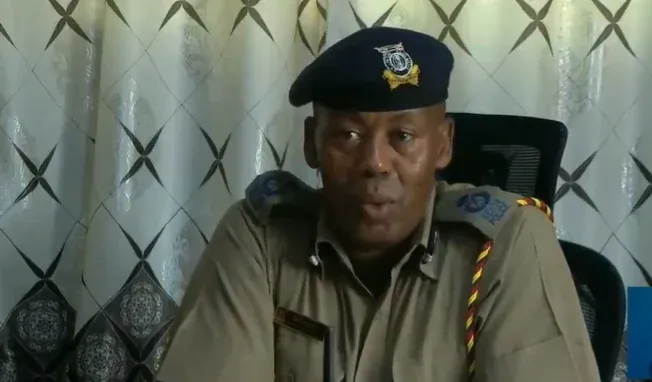
The suspect, identified as John Odhiambo Opiyo, was taken into custody on Tuesday November 3, 2026 after detectives received intelligence that he had begun circulating the examination material; Bungoma County Police Commander Omar Bika Arero said officers moved in before the person of interest could expand the operation.
Detectives recovered a mobile phone believed to have been used in the alleged distribution and are preparing an inventory of the seized items while Opiyo remains at Bungoma Police Station awaiting a court appearance scheduled for Wednesday November 4, 2026; police stressed that the arrest does not amount to a finding of guilt.
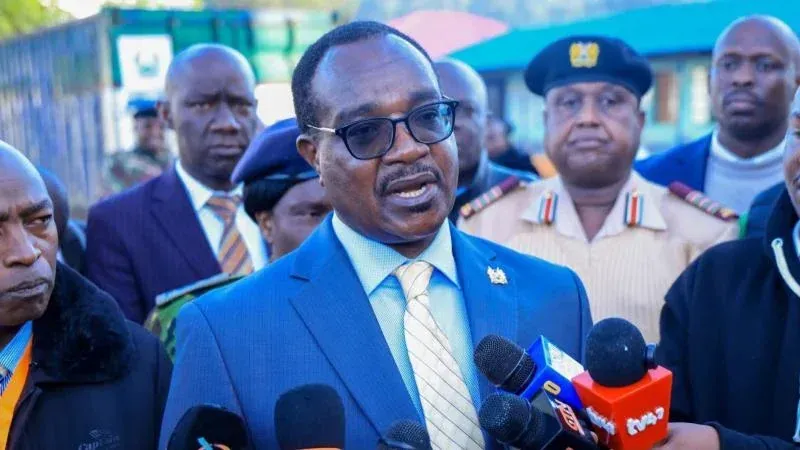
The KCSE written examinations commenced on Monday November 2, 2026 and entered their third day on Wednesday, with candidates sitting Chemistry, General Science, English Composition and Essays in scheduled sessions; Education Cabinet Secretary Julius Migos Ogamba announced that candidature had surpassed one million for the first time, with examinations being administered in more than 10,000 centres nationwide.
In addition to the Bungoma incident, investigators have reported suspected examination malpractice incidents in Garissa and Wajir counties and are working to identify those behind the separate allegations.
The Kenya National Examinations Council (KNEC) has issued strict guidelines to protect examination integrity, directing centre managers, supervisors, invigilators and security personnel to switch off mobile phones and secure them in lockable lockers outside examination rooms, while candidates are prohibited from wearing wristwatches or any connected devices and schools are required to provide wall clocks.
The ongoing investigation aims to establish whether the papers found on the suspect’s Telegram account were authentic examination materials, how they were accessed, whether any candidates or other individuals received them, and whether the suspect acted alone or as part of a wider network.
Related reporting
More General News →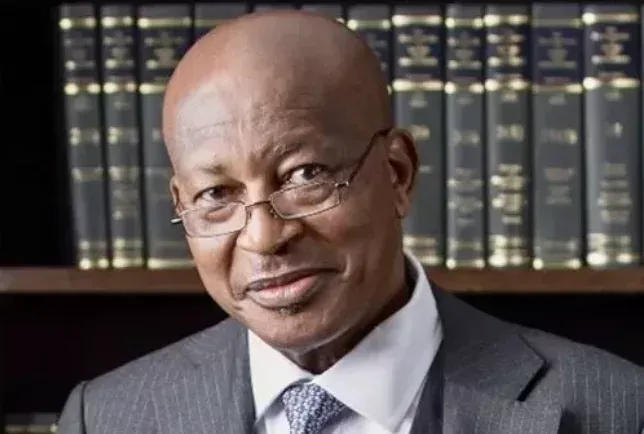
Former Attorney-General Paul Kihara Kariuki Dies at 72
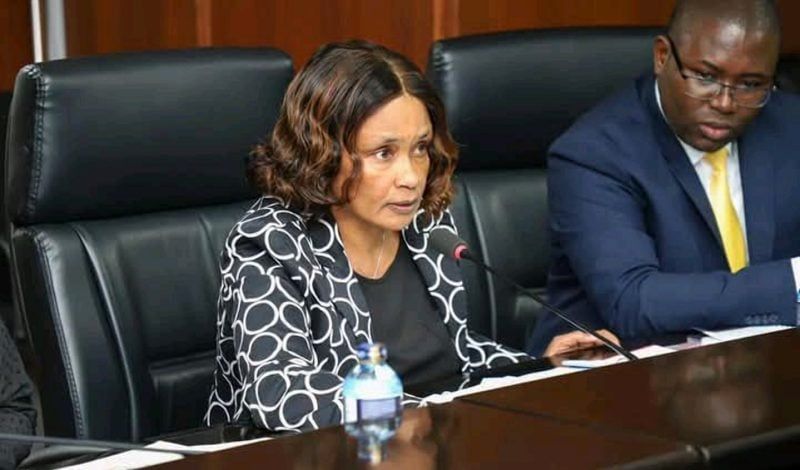
Teachers Service Commission Shortlists Five Candidates Including Acting CEO Evaleen Mitei for CEO Position
Mining Cabinet Secretary Hassan Joho Sets Fireworks Rules for Diwali 2026