SEE ALSO: WTO set to skip naming acting chief
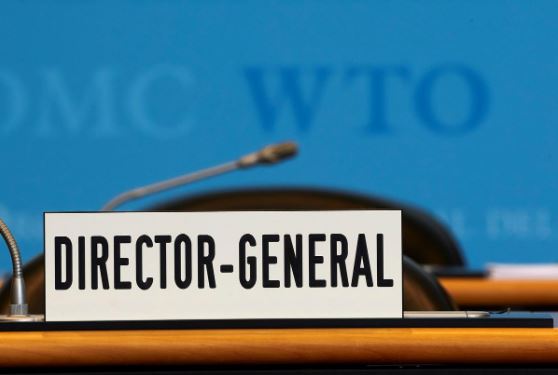
How the director-general is chosen The candidates have been given two months to campaign until September 7. Normally this would involve trips to national capitals, but with the pandemic much of that is being done in a virtual format. The next phase involves whittling down the field, initially to five then two, before a final decision is taken. The WTO is a members-driven organisation with decisions reached by consensus among 164 countries. Three WTO ambassadors who chair leading committees will lead the process, seeking to establish which candidates have the widest support. In so-called “confessionals”, members will tell this “troika” their preferences, without ranking them and without vetoes in a process expected to last two months. The first phase will be on Sept 7-16. Voting on the next director-general is seen only as a last resort if consensus cannot be reached.SEE ALSO: Regional lobby gives CS Amina thumbs up
The process does not always work smoothly. In 1999, former New Zealand prime minister Mike Moore and Thailand’s Supachai Panitchpakdi divided WTO members, with a compromise finally found to give each a term, shortened to three years from four. Azevedo’s term will finish before his replacement takes office, but WTO members failed to agree on a temporary caretaker director-general, meaning the four deputies will stay on in their current roles. More soft than hard power The Marrakesh Agreement that established the WTO in 1995 does not give a detailed description of the director-general role. The responsibilities should be “exclusively international in character”. The incoming chief would be expected to appoint four new deputies, present budget proposals, and chair the trade negotiations committee which oversees multilateral accords such as on fishing subsidies.SEE ALSO: EXPLAINER-How the next WTO chief will be chosen and the task ahead
The director-general can also intervene in trade disputes, in very rare cases offering mediation, more often by appointing people to adjudicating panels when parties cannot agree. Otherwise, the director-general does not forge global trade policy, but is meant to act as a neutral broker: part administrator, part peacemaker.Related reporting
More Business News →
High Court Blocks Oigara Bank Fraud Probe as Stanbic CEO Escapes Questioning

15 Proven Ways to Make Money Online in Kenya; No Scams!

High Court Halts Equity Bank's Takeover Bid on Swafi Foods in Landmark Ruling
