More by this Author
Is there democracy in Kenya? Why has there been a long-established debate in both elite forums as well as village political rallies about just how democratic Kenya is or isn’t? Is it all that important to be democratic – in the list of pressing priorities a country has to deal with? Ok, wait a minute, what is this democracy to begin with? What should my grandmother in the village say it is? What is its colour?
As to what exactly constitutes democracy, we could debate that till cows come home, and chances are that we will still be at loggerheads even then. The debate would leave us haggling over whether to define the concept of democracy exclusively grounded on the procedures used to select top government office holders, whether it is about the extent to which the public participates in the formulation of public policy, whether to focus on the degree of civil liberties enjoyed by Kenyans, or is it all of these things together? In fact, it may well be that democracy is all of these characteristics plus many more – a long inexhaustive list. Fellow Kenyans, I would now like to invite you to answer these six questions, questions whose answers could to a great degree point as to whether there is or isn’t democracy in Kenya.
The number one question on our public checklist is around how elected government officials get to ascend to a public office in Kenya. Is it through free, fair and regular elections? And what would a free and fair election look like? First, all citizens who qualify to vote must be allowed an equal and uncoerced chance to cast their vote. Secondly, there exists a precise, objective and an effectively authoritative procedure that guarantees all those competing for political seats irrevocable right to contest. Thirdly, that those established rules are not deviated from when declaring the winner. Do such conditions exist in Kenyan elections? You are far more qualified to answer this than I am.
Our second question has got everything to do with how the elected government makes decisions for the very people that elected it. While public policy making is enshrined in a complex process, are there procedures that provide for transparency in the whole decision-making process? Are these procedures known to Kenyans? Are the decision makers accountable enough? And by way of expressly inviting your second answer, are you, as a Kenyan, aware of which government officers make decisions affecting you? Are you aware of how they make such decisions? Let’s dig even a bit deeper, and we may exit with some idea of the real colour of democracy in Kenya.
Our third checklist item is about how political parties generally organise in Kenya. In your very dignified judgement as a Kenyan citizen, would you be a witness to the fact that there is free space for political parties to field candidates for elective positions? Is the environment free for political competition amongst all the parties that declare interest in contesting for political seats? Does the government of the day take it in stride when criticised by the opposition? I’m sure that you have already worked out your answer.
The fourth question takes us to the most powerful political office – the office of the citizen. There is probably no way this concept of democracy can sustain a meaningful definition if it has not been sieved through the lens of the citizen. In practice, are the political rights of all the citizens safeguarded? Does the state project and protect Kenyans’ right to participate by way of voting in all the periodic elections that are conducted? Is their right to not vote also respected? How about their civil liberties?
Do Kenyans speak freely without fear of official reprisal? In fact, allow me to directly put this question to you, do you feel that your human dignity is respected? Do you have access to information that would be relevant and useful to you as a citizen? Do you associate freely within the territorial boundaries of this land called Kenya? How about your freedom to demonstrate, picket and petition issues you are uncomfortable with? Do you actually experience these freedoms as espoused in the Bill of Rights, chapter four of Kenya’s constitution? Please do add your answer to our mental list of responses so far.
The fifth question takes us to our final leg of democracy checklist, and it’s all about the rule of law. So, if the law was to be placed on one side and all Kenyan citizens on the other, would you lift your hand and say with gratified pride that yes, all of these citizens are equally treated by the law? Are there some persons, groups of people or organisations that would occur to you as being above the law? Are you proud of how the Kenyan courts are functioning? Are they independent or do you get a sense that the judges and magistrates do receive instructions from outside of the judiciary? I do invite your response once again.
And the last item on our colour of democracy checklist is how the country’s leadership deals with conflict. Any society that is organised politically is bound to experience a variety of challenges. There will be political and ethnic identity related conflicts like Kenya’s experience of the unfortunate 2007 post-election violence, there is bound to be observable economic challenges as well as social upheavals. The grand question is, is there an overarching commitment to have all and any of these types of conflict resolved peacefully?
Is there observable desire to not resort to violence as a means of resolving these issues? Would you be of the opinion that the elected governments in Kenya have done well in exercising effective authority – including control over both military and private power holders such as the powerful elite? Are there private persons or groups of persons who in your view do veto the government position? Is that even a possibility in the Kenyan society?
There is effectively a total of six colours of a democratic society presented here. I would be quick to say that there is probably much more of these elements that could help us frame what democracy should look like. It’s also practically impossible to have societies in consistent and absolute observance of all of these elements – not even in the long-established democratic societies like the Americans, the British and the Germans. But depending on the type of responses to this checklist – whether in the affirmative or negative – one can start to form a view of what democracy should look like in Kenya. So, is there democracy in Kenya? I hand this debate to you the honourable jury.
The writer is a media and social change expert. He is also an Obama Leadership Fellow. Twitter: @PaulEkuru
Related reporting
More General News →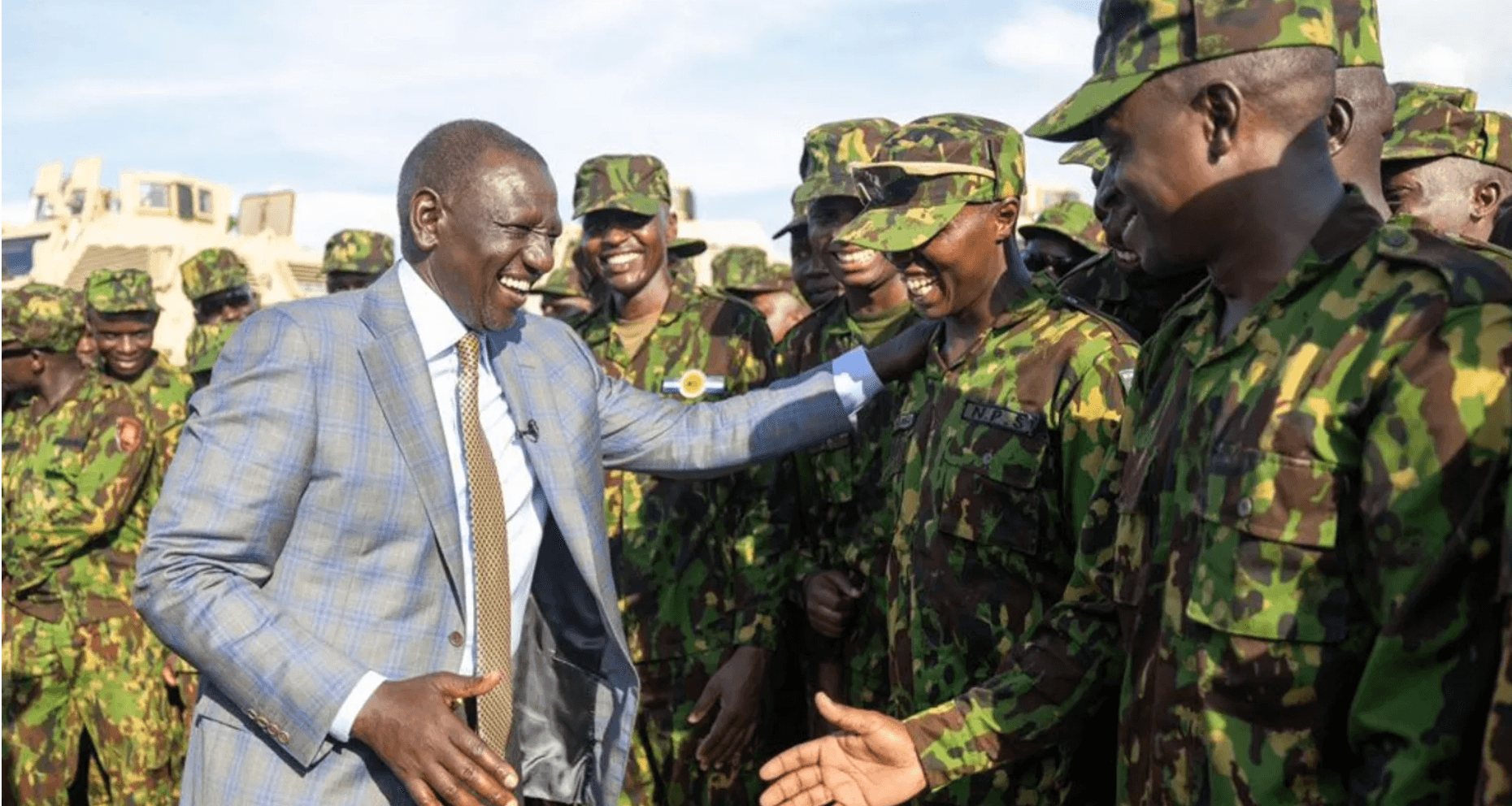
Kenya Police Set to Get New Uniform as Ruto Prepares for Kiganjo Unveiling
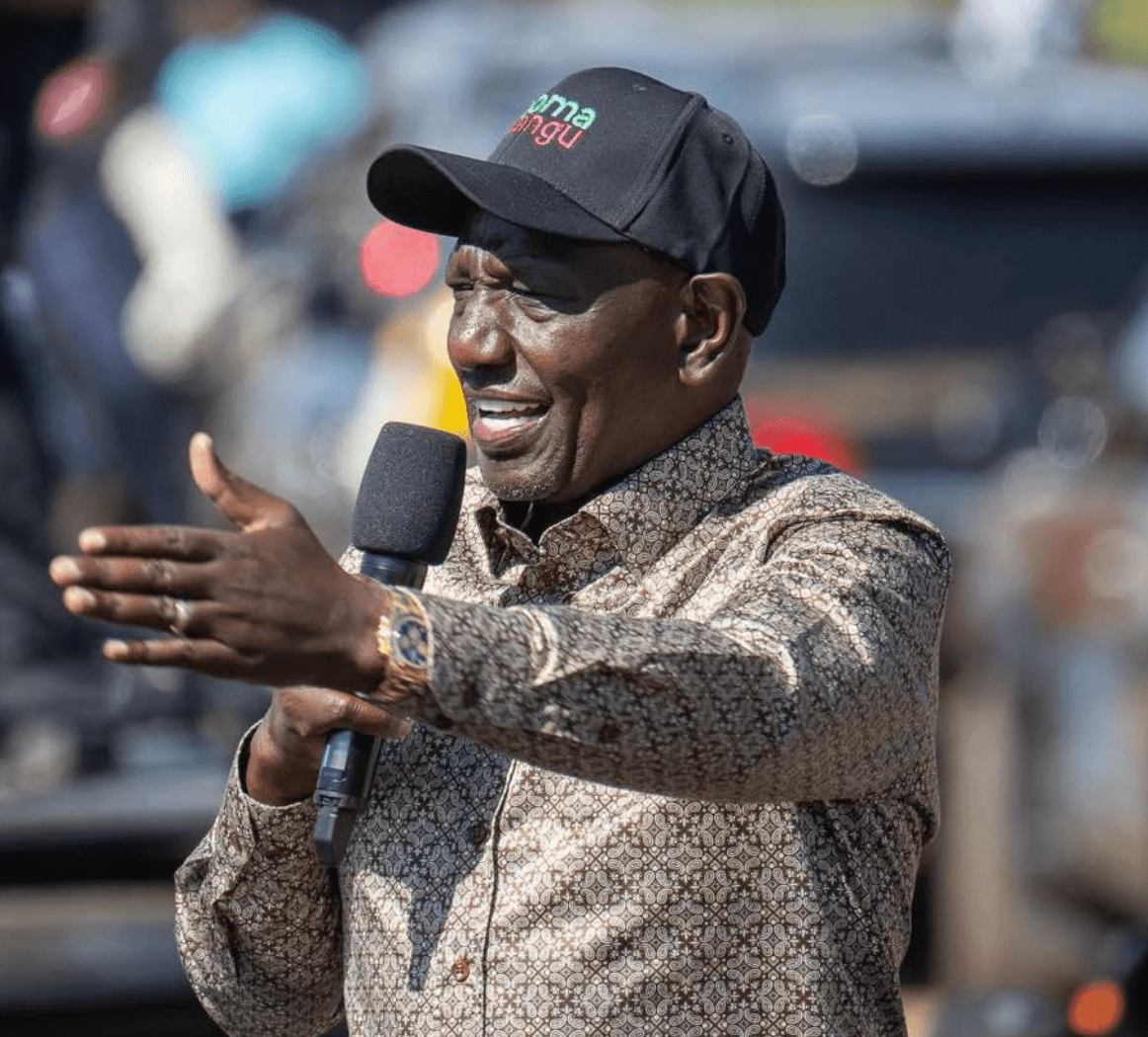
Ruto Announces KSh1.2 Billion University for Emurua Dikirr
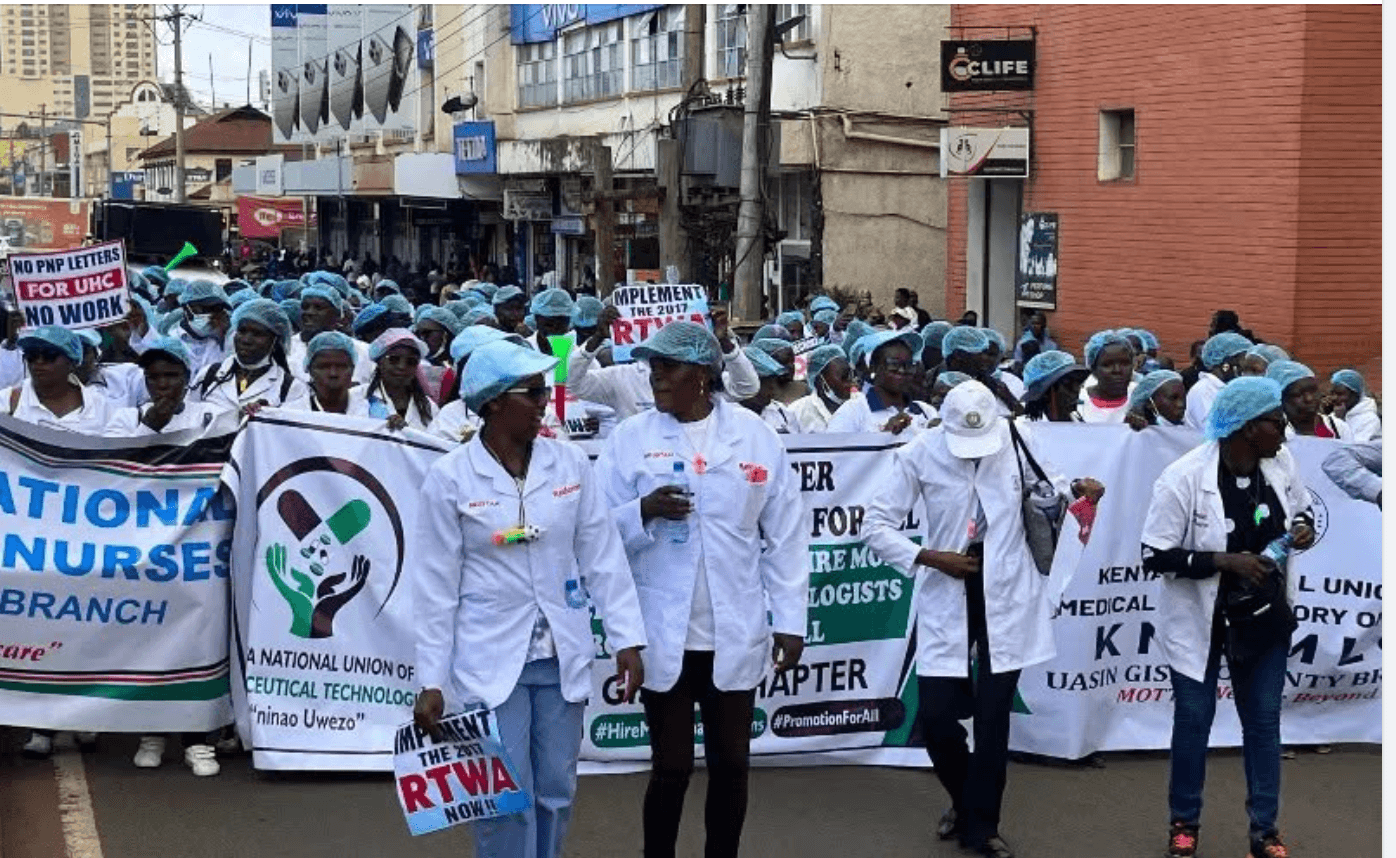
Kenya Nurses' Strike Enters Fourth Week as Talks With Counties Show Progress