Kenyan startups will likely attend an accelerator program to speed up their growths, contrary to the prevailing business belief that entrepreneurs tend to shop for financial aid from investors on these platforms, a survey by Impact Africa Network has revealed.
71.8 per cent of the respondents say ‘speeding up growth’ and ‘avoiding mistakes’ are the leading reasons they seek to join accelerators, compared to 28.2 per cent who attend them for funding.
This demonstrates the high demand for ‘Mentorship’ and ‘Quality Advisors’ in the startups ecosystem, says IAN.
“Prioritising access to mentors and advisors with direct startup experience suggests entrepreneurs are increasingly recognizing that the startup development process is highly dependent on specific experience, skills, and know-how which is different than traditional business and corporate experience,” says IAN’s executive director Mark Karake and IAN’s asociate director Mumbi Githuku, the joint authors of the survey.
IAN surveyed 87 entrepreneurs, and analysed 208 answers for its Accelerator Perception Report January 2019. 68.2 per cent of respondents indicated they are likely to attend an accelerator in future suggesting that an overwhelming majority of entrepreneurs in Nairobi have a recognized need for startup building know-how and skills support.
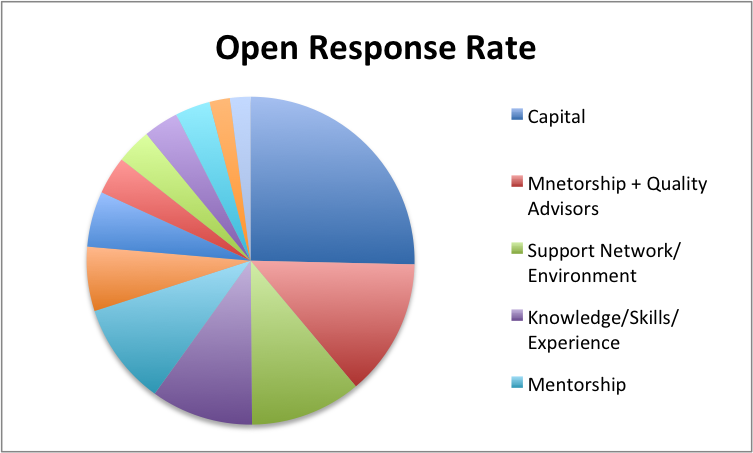
“The results of the survey suggests that entrepreneurs in Nairobi are growing in self awareness, sophistication, and in their expectations, indicative of an ecosystem on the verge of producing a growing volume of high growth, fundamentally sound startups,” said the survey report.
In the Open Response category, a growing appreciation for strategic or value added capital over generic capital emerged as a leading gap in the ecosystem. This suggests entrepreneurs are thinking past fundraising through to execution and interrogating the ability of capital sources to provide additional execution oriented value beyond finance.
The ‘capital’ identified was translated as “Patient capital”, “Investors with entrepreneurial experience”, “Accessible network of local angels and VCs”, and “Good investors not those with onerous terms”.
Other gaps identified include support networks and spaces where entrepreneurs can connect, share learning, access critical networks, and collaborate; Knowledge, skills, and experience that are necessary for bringing products to market; experienced mentors and advisers who possess first hand startup experience and who can provide practical, useful advice to entrepreneurs and professional service providers (legal, finance, tax) with the relevant contextual experience and solutions tailor-made for unique needs of startups .
“The desire for support networks and collaborative spaces suggests entrepreneurs increasingly appreciate the need for working with and learning from each other. This is different from the prevailing business culture in Nairobi where business people have typically operated in isolation and secrecy. The natural upshot of this should be formation of highly potent founding teams, which, is correlated with better outcomes in startup building,” added the report.
Related reporting
More Business News →
High Court Blocks Oigara Bank Fraud Probe as Stanbic CEO Escapes Questioning

15 Proven Ways to Make Money Online in Kenya; No Scams!

High Court Halts Equity Bank's Takeover Bid on Swafi Foods in Landmark Ruling
