Houghton Irungu
A life choked from a human being, a family and community shattered and the belief in the rule of splintered.
SEE ALSO: Kenya’s Floyds deserve their justice too, speak and act up
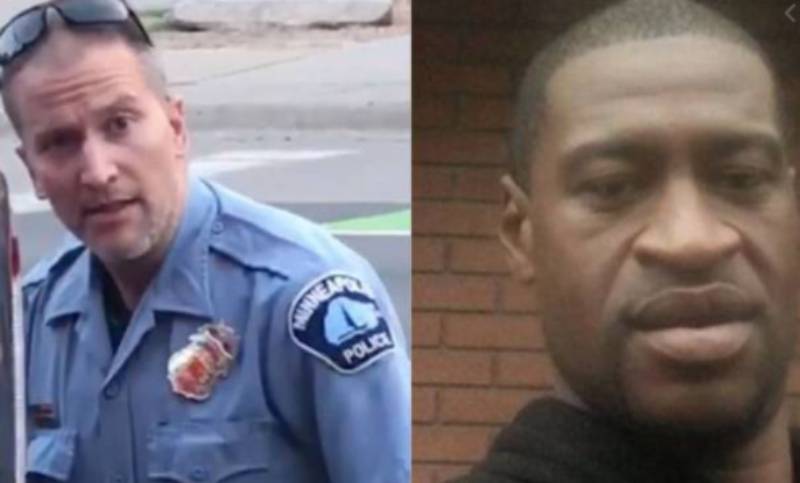
The impact is always the same. A life choked from a human being, a family and community shattered and the belief in the rule of splintered. When it happens repeatedly, as it has in the US, a culture of disrespect for human rights and the lack of a fear of consequences grows. Profiled racially, African Americans again said enough is enough. Fuelled by a profound sense of injustice, unemployment, economic frustrations and a loss of confidence in both the police and the White House, America has erupted. With it, protests have erupted globally across Europe, Africa and elsewhere. It is incredible that this single act of injustice has reverberated globally in such a powerful way. It is as if Covid-19 frustrations, violent policing and the death of Floyd fused in this moment. For this reason, it would be ludicrous to see the global protest as the result of a few racist cops and the death of an unarmed African American man. There are a number of important lessons. Firstly, most aware human beings regardless of culture recognise the depravity of torture and cruelty. Secondly, we have expectations of how police officers should treat us. Thirdly, an injustice anywhere can become, in the minds of millions, an injustice everywhere. For the last 300 years, “justice delayed is justice denied” has been a fundamental principle of the rule of law. Nearly 50 years ago, Martin Luther King Jr used it brilliantly in his famous smuggled letter from a Birmingham Jail in 1963. While instantly familiar to any lawyer, investigator, prosecutor or judge, its urgency and power as a rally cry is still not well understood.SEE ALSO: OPINION: It's time America acts according to its status
It took four days for the Minneapolis authorities to arrest and charge Chauvin and his three accomplices. By then, their police station, the city and several other cities were on fire. Fuelled by the delays in other cases, most notably Amour Arbery, the narrative of delayed justice and justice denied took hold. The death of Floyd resonates very locally with the families of Khamis Juma, Calvince Omondi, David Kiiru, Peter Gacheru, Eric Ngethe, Idris Mukolwe, John Muli, Ibrahim Onyango, Samuel Maina, James “Waite” Waitheru and Yassin Moyo among others. They too, lost their lives to police officers during Covid-19. Democracies require mastery. Listening and responding to public demands and expectations in real time is critical. There are lessons for all governments. Encouraging or ignoring criminals in and out of uniform always has a greater risk than the specific incident or chain of incidents. It invalidates the confidence in the system itself. Once the public has no confidence in the criminal justice system, it will take more direct action. We must accelerate the delivery of justice within our own national criminal justice system. Crime scene investigators, prosecutors and judicial officers must move more swiftly. We must build agreements between citizens, human rights organisations, national police service and oversight organisations. All of society –entertainers, religious leaders and everyday citizens – must speak and act up.SEE ALSO: Larry Madowo opens up on his encounter with racism in the US
Let’s create a society that allows no space for criminals in and out of uniform to commit crimes or human rights violations. As Floyd’s family and America prepares to bury him today, may they also bury the racism and impunity that ultimately killed him. Rest in peace Big Floyd. We also see you here in Kenya. - The writer is Amnesty International Executive Director. He writes in his personal capacity.Related reporting
More Columns And Opinions → Columns And Opinions  Columns And Opinions
11 perish as overloaded matatu rolls in Mwingi along Thika-Kitui road