The Somali Election Commission announced parliamentary polls for April 15, 2027 and a presidential vote for May 15, 2027.
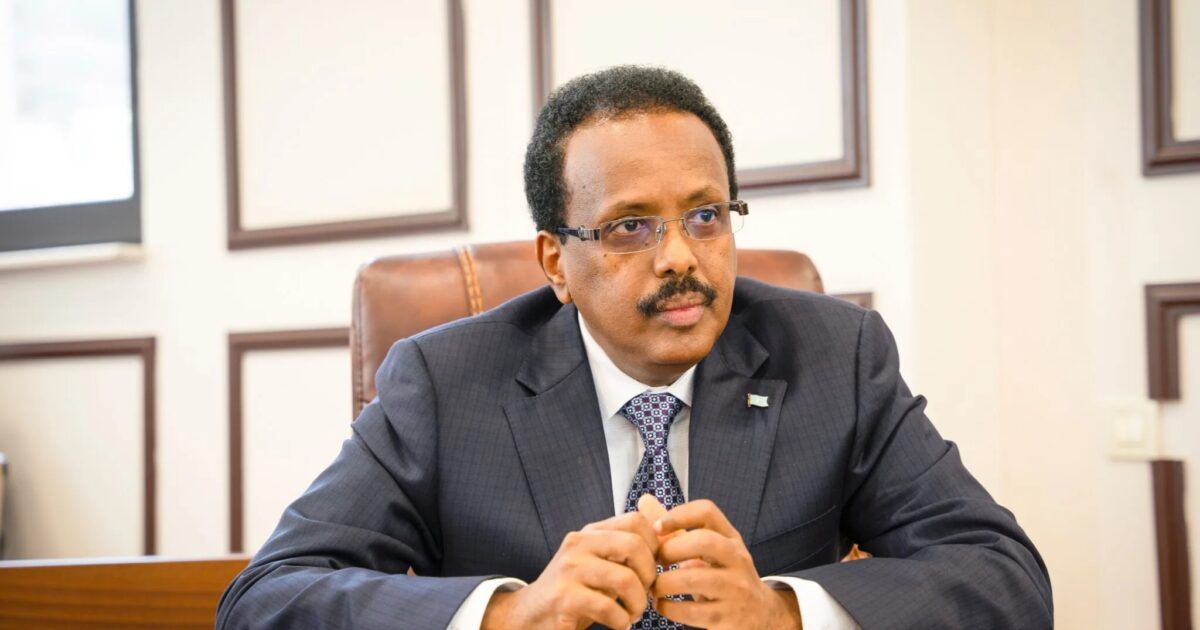
Former president Mohamed Abdullahi Farmaajo described the timetable as a unilateral decision that threatens Somalia’s statehood.
Farmaajo, speaking on X, warned that the disputed process could deepen divisions and trigger civil conflict, and called for an inclusive agreement among the federal government, regional states and opposition groups.
President Hassan Sheikh Mohamud’s second term ended earlier this year, but his administration declared a transition period extending his stay until May 2027, citing an amended constitution that lengthened presidential and parliamentary terms from four to five years.
Opposition parties, including the powerful states of Jubaland and Puntland, boycotted the constitutional amendment and rejected the election schedule, saying there is no political agreement to hold the polls.
Analyst Samira Gaid told AFP that the government is essentially composed of Mogadishu and two or three allied member states and warned that the process could lead to further fragmentation and conflict.
In Mogadishu, resident Omar Said said announcing an election schedule through a one-sided process amounts to declaring a new conflict.
University student Fadumo Ali expressed concern that a disputed federal election could undermine governance and national unity, urging the president to sit down with the opposition.
Greengrocer Mohamed Hassan said he sees the election as a victory for the Somali people and that whoever wins should lead the country.
Resident Muqtar Hussein said the situation in South West State illustrates the risks of proceeding with disputed elections without political consensus.
The government has deployed troops to remove South West State head Abdiaziz Hassan Mohamed Laftagareen in March, and clashes between federal forces and his allies have continued sporadically, including fresh fighting reported on Thursday.
Insecurity remains high as Al-Shabaab controls large parts of the country, limiting election organisation beyond isolated pockets.
Funding for the African Union Mission in Somalia (AUSSOM) is uncertain after the United States indicated it will continue financing for another year despite earlier plans to cut funding by the end of 2026.
Related reporting
More World News →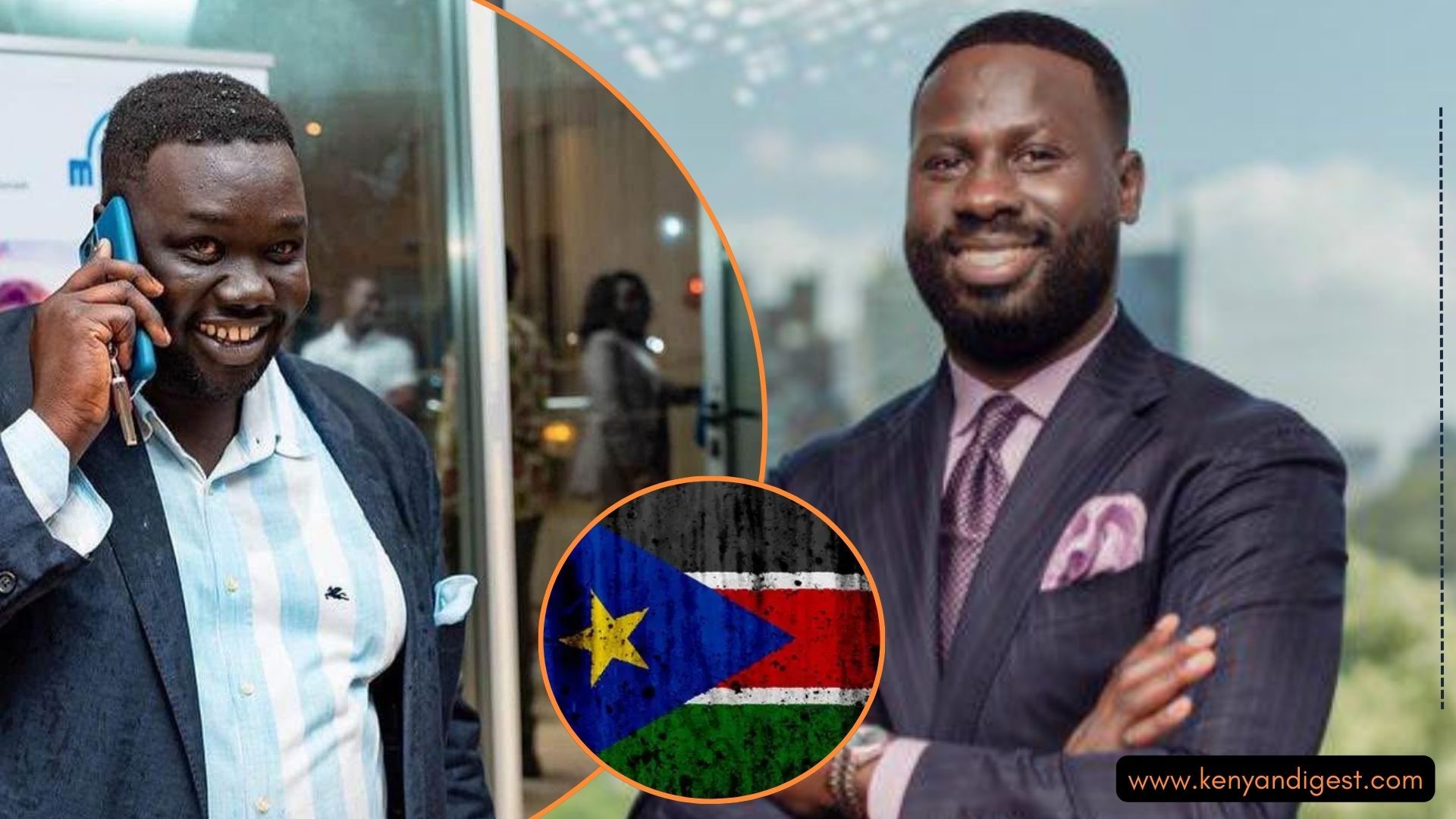
South Sudan’s Oil Looters: How Young Elite Gatekeepers Plunder Nation While Citizens Starve
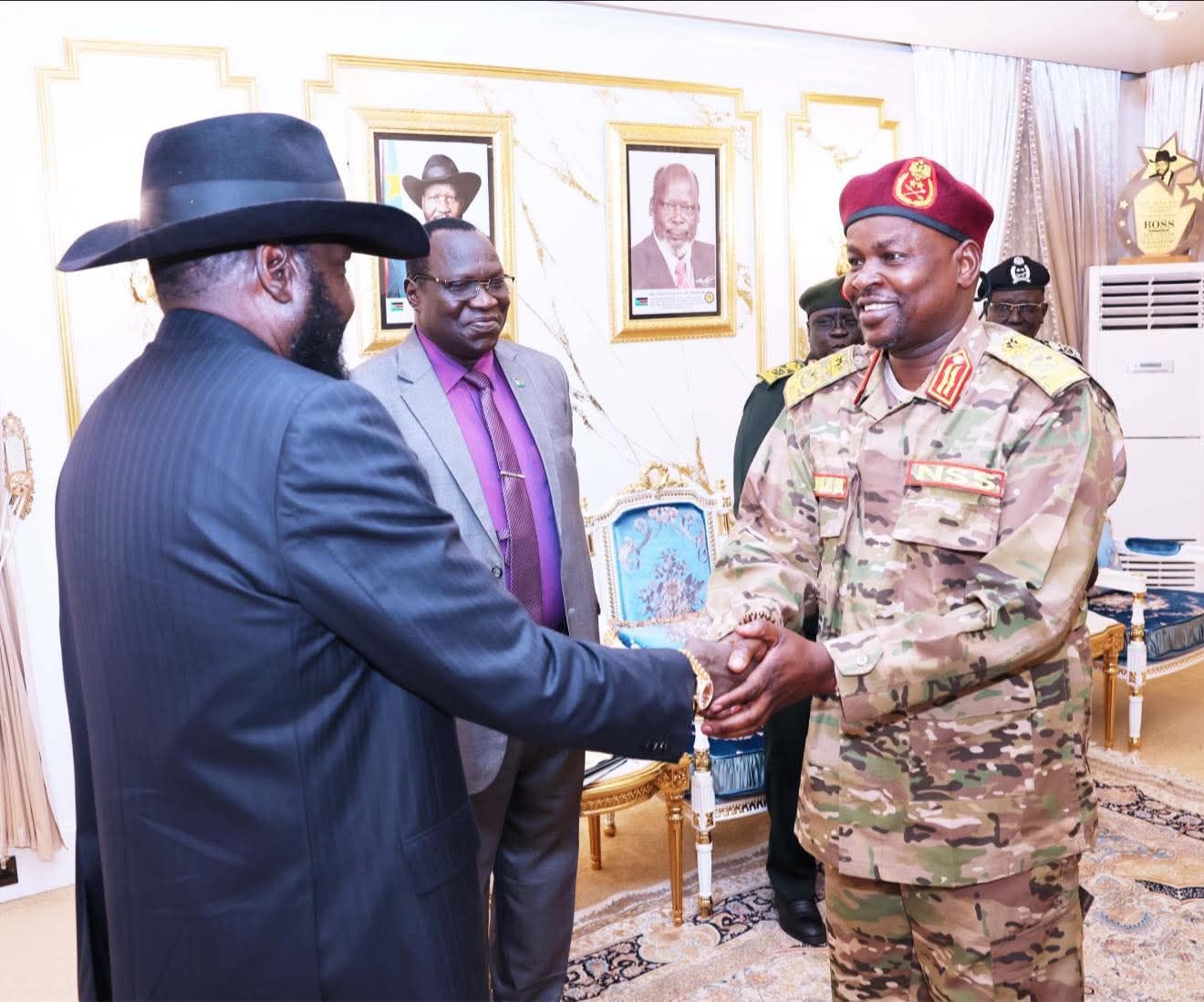
General to Private: Kiir Crushes Economic Vice President in South Sudan's $1.7 Billion Corruption Purge
Paul Biya’s Re-Election: What Cameroon’s Political Longevity Reveals About Leadership and Governance in Africa